

Inside China's Weight Management Struggles in Major Hospitals
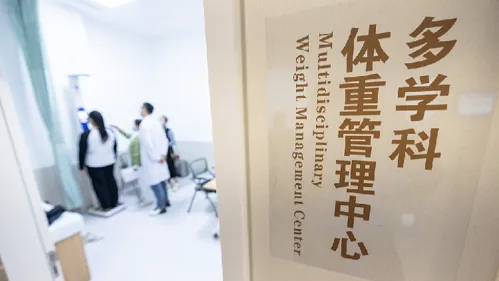
China's Healthy China 2030 Initiative has placed significant emphasis on weight management, reframing the issue from vanity to a pressing public health concern. The initiative is pivotal in addressing the growing crisis of obesity, which is directly linked to the prevention of chronic diseases and the overall health of the population.
In the context of the three-year "Year of Weight Management" initiative launched by 16 government departments in 2024, hospitals are witnessing an expansion of weight management clinics. By 2026, full coverage of these services in all tertiary public hospitals is expected, establishing a nationwide multidisciplinary system for structured, science-based interventions.
At Qingdao Municipal Hospital's multidisciplinary weight management clinic, patient visits have surged, increasing approximately 20 percent annually since the clinic’s inception in 2019. In 2025, the clinic documented 2,899 visits from patients dealing with overweight and obesity.
Unlike commercial fitness programs or self-guided dieting, medically supervised weight management takes a comprehensive approach. While commercial gyms focus on short-term results, the clinics in tertiary hospitals provide systematic medical interventions aimed at preventing chronic diseases and their long-term consequences.
Weight management clinics begin by assessing patients to rule out secondary causes of obesity such as Cushing's syndrome and to identify any complications. Doctors offer tailored treatment plans that include dietary recommendations, exercise guidance, medication, or even metabolic surgery if necessary.
"With professional medical testing, we can pinpoint the root causes of obesity," explained Ma Xiaoli, director of the Endocrinology Department. This approach helps in avoiding the detrimental effects that can arise from unplanned dieting or excessive physical activity.
Obesity is a precursor to various chronic health issues, necessitating a multi-dimensional approach for effective management. Historically, patients with obesity-related complications had to navigate several specialists, but the weight management clinic functions as a central hub that coordinates various medical disciplines for comprehensive care.
Upon entering Qingdao Municipal Hospital, patients undergo extensive evaluations including body composition analysis and metabolic rate testing. A multidisciplinary team then collaborates to create an individualized intervention strategy tailored to the patient's needs.
Obesity contributes to over 200 health conditions including diabetes, hypertension, and certain cancers. Ma asserts that even modest weight loss of 5 to 7 percent can significantly reduce the risk of type 2 diabetes and offer similar benefits to medications for high blood pressure.
China is shifting its perspective on weight management from a singular focus on weight loss to a broader strategy of health governance. This evolving approach emphasizes chronic disease prevention and aims to improve quality of life through more robust healthcare policies and heightened public awareness.
With a strong policy framework, enhanced medical coordination, and rising awareness among the population, China's strategy for weight management is increasingly grounded in scientific principles, paving the way for sustainable health practices that prioritize well-being over mere weight reduction.
(Xie Xiaozhen and Li Shangxi also contribute to the article.)
Read These Next

The Threat of AI Deepfakes in Politics
The article explores the rising concern of overseas content farms using AI to generate misleading political deepfakes, highlighting their mechanisms, implications for democracy, and the need for improved detection methods.

China Breaks Ground in Satellite-Ground Laser Communication
Chinese researchers achieved 1 Gbps laser communication between a satellite and ground, exceeding 40,000 km, for over three hours.

Grammarly's AI Sparks Ethical Debate on Consent
Exploring the ethical implications of Grammarly’s AI feature that mimicked well-known writers, highlighting consent and the quality of AI outputs in creative fields.