

Wayve's Self-Driving Tech: Future Impact Insights
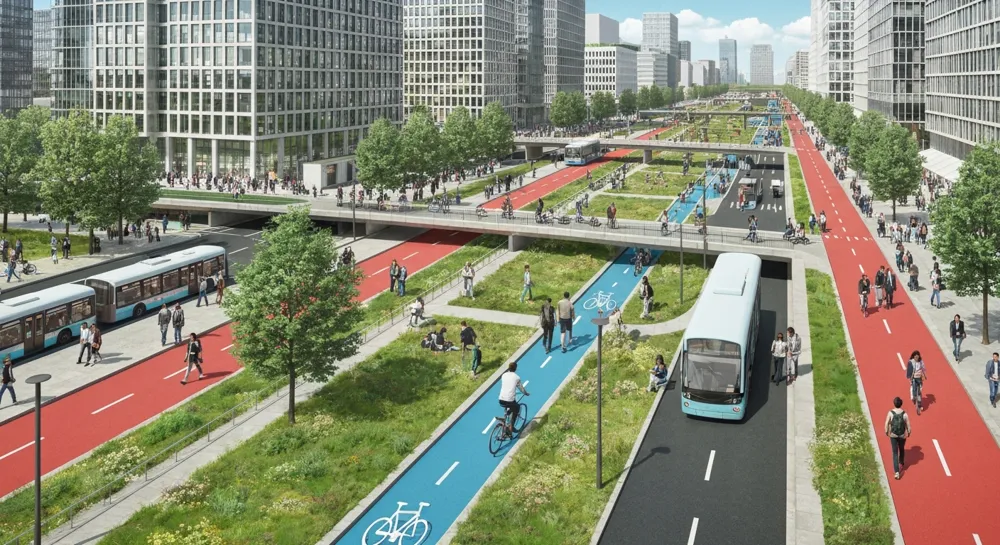
The advancement of self-driving technology is rapidly reshaping the automobile industry and urban transportation systems, with British startup Wayve paving the way for a future where autonomous vehicles could navigate any road, regardless of its condition. The implications of such technology extend far beyond luxury; they promise to enhance road safety, improve traffic flows, and provide mobility solutions for those unable to drive. As Wayve prepares to debut its robotaxi service in London, the stakes are high, with expectations that this innovation could significantly alter mobility in urban environments.
Wayve employs artificial intelligence (AI) to allow its vehicles to learn from their surroundings, akin to how humans navigate roads. Instead of relying solely on pre-existing maps, Wayve’s AI analyzes real-time data from its onboard sensors to adapt to various driving conditions, including the unique challenges posed by the UK’s diverse road systems. This differs from traditional methods that often pre-map routes, limiting flexibility to work only on predetermined paths. For instance, while engineers have designed many autonomous vehicles to thrive in the well-structured environments of the U.S., Wayve's approach equips its vehicles to tackle the putty-like unpredictability of London’s potholes and complex intersection dynamics—illustrating how real-world application can deviate from theoretical models.
As competition heats up with industry giants like Waymo and Lyft entering the UK market, Wayve's ability to operate effectively in busy and challenging environments will determine its success. The firm’s confidence is backed by substantial investor interest, evidenced by a recent funding round that raised $1.5 billion, highlighting a growing belief in the commercial viability of autonomous vehicles. Nonetheless, overcoming regulatory hurdles will be vital, as noted by Rachel Harris, who pointed out that tech advancements must be met with suitable regulations to ensure safe and responsible deployment. This balance between innovation and safety raises the question: What measures should be taken to ensure that the road to autonomy is safe for all users?
Read These Next
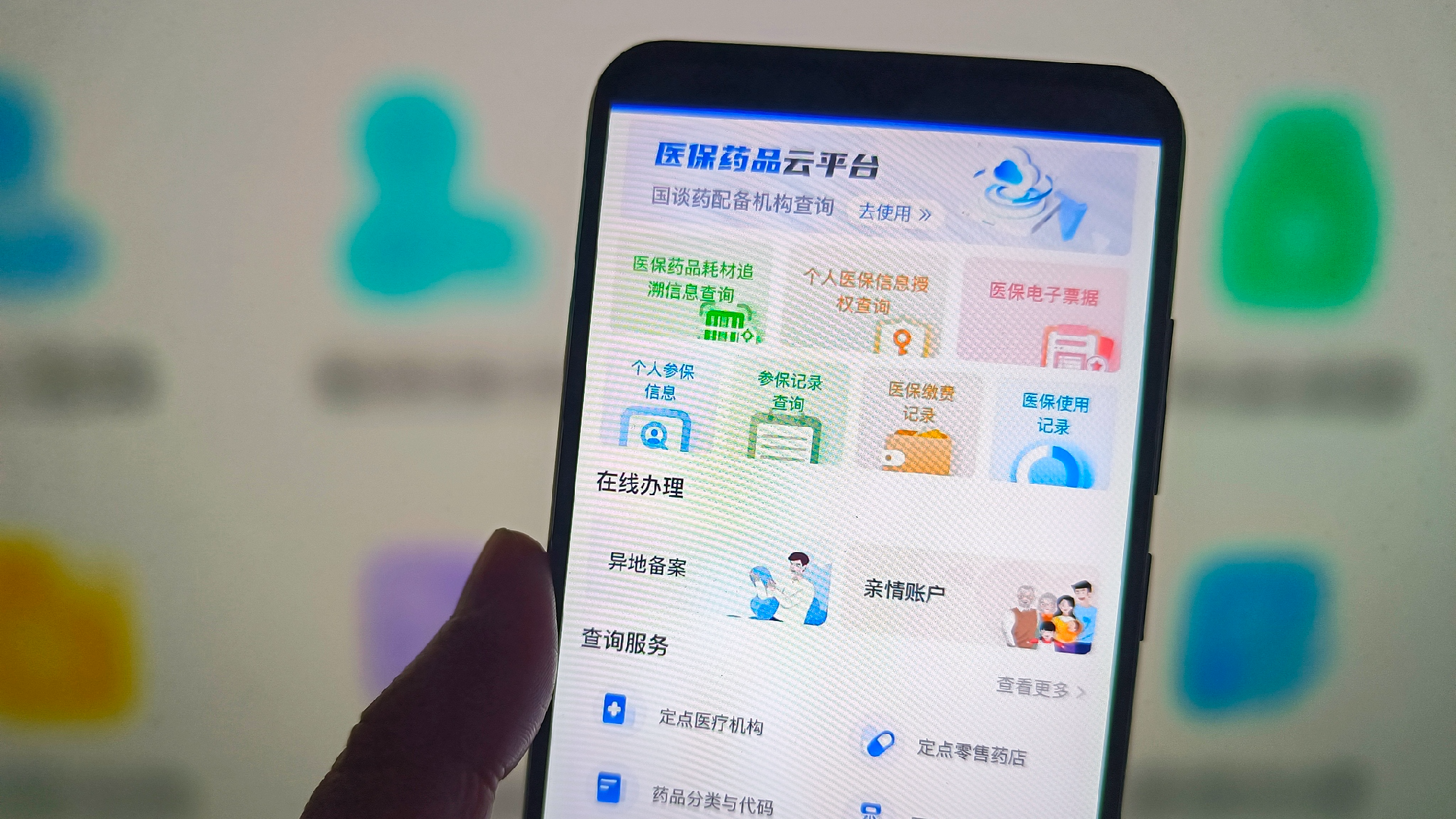
China's Healthcare Transitioning to Affordable Integrated Services
China's healthcare transforms with affordable services, pharmacy roles expanded, and tech integration for improved patient care.
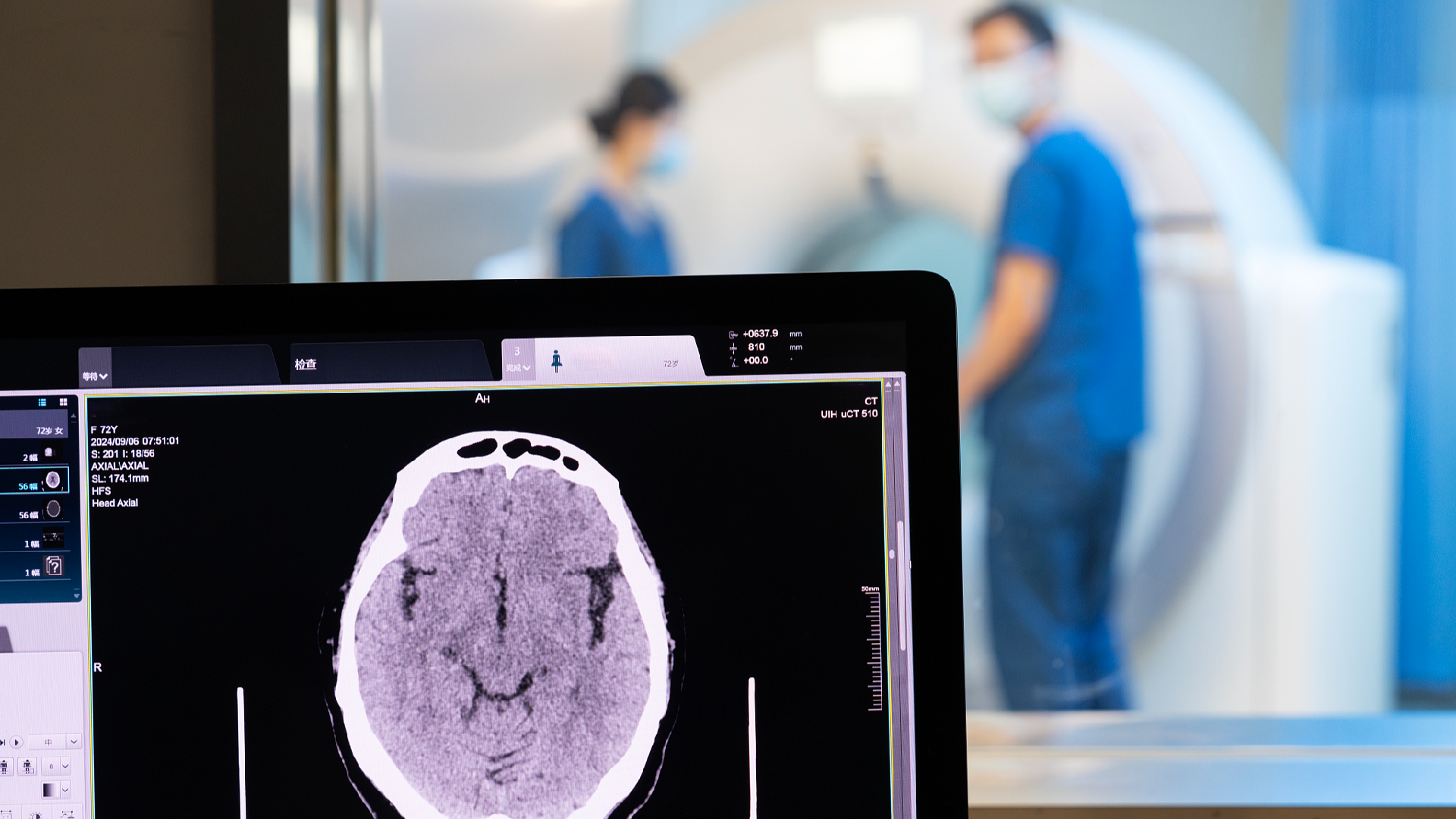
China Boosts Healthcare with Expanded Medical Test Recognition
China's NHC initiates a 3-year plan to unify medical tests for better patient experience and resource optimization by 2027.

Ethics vs. Innovation: Anthropic and Pentagon's Standoff
The article discusses the tension between the U.S. Pentagon and Anthropic over the use of AI in military operations, emphasizing the ethical implications and the future of collaboration in AI technology.