

Ethics vs. Innovation: Anthropic and Pentagon's Standoff

The recent standoff between the U.S. Department of Defense and the AI startup Anthropic grabs attention because it encapsulates the evolving landscape of artificial intelligence in military applications. As AI technologies advance rapidly, understanding their implications—especially concerning ethics and safeguards—has become increasingly paramount. This clash presents a crucial moment for stakeholders to delineate boundaries on how AI can be utilized responsibly in matters of national security.
Anthropic, known for its AI model Claude, has found itself at the center of a critical negotiation. The Department of Defense, led by Secretary of Defense Pete Hegseth, has demanded that Anthropic remove restrictions on its AI technology to allow broader military applications. Hegseth's threats to classify the company as a "supply chain risk" illustrate the seriousness of the matter: such a designation would constrain other military contractors from utilizing Anthropic’s technology, potentially hampering the company’s growth. At the heart of Anthropic's resistance are ethical concerns about the use of AI in autonomous weapons systems and mass surveillance—areas they deem unacceptable for their technology. The company firmly believes that AI should not make final military targeting decisions without human oversight, a position amplified by high-stakes discussions regarding AI's role in national security contexts.
Real-world implications of this dispute extend into broader debates about AI governance. For instance, Anthropic’s commitment to safe and responsible AI practices, contrasted with the Pentagon’s demands for unrestricted military utility, raises the question: How do we balance national defense needs with ethical AI considerations? Similar situations reflect the delicate interplay between defense innovation and ethical oversight, particularly as strategic decisions evolve in a digital landscape. Recent reports indicate that Anthropic's models are already perceivably employed in military strategies, highlighting the need for careful regulation. Observers suggest that reaching a middle ground is essential, as ongoing tensions could erode trust and impact future collaborations between tech firms and the government.
In conclusion, the Anthropic and Pentagon discussions serve as a microcosm of larger societal implications tied to AI and defense. With negotiations left open, key stakeholders may need to consider frameworks that protect ethical standards while still addressing urgent national security requirements. For those interested in AI employment in governmental contexts, further exploration of military contracts, ethical AI frameworks, and collaborative partnerships between innovative startups and traditional defense institutions could provide deeper insights.
Read These Next

China's Healthcare Transitioning to Affordable Integrated Services
China's healthcare transforms with affordable services, pharmacy roles expanded, and tech integration for improved patient care.
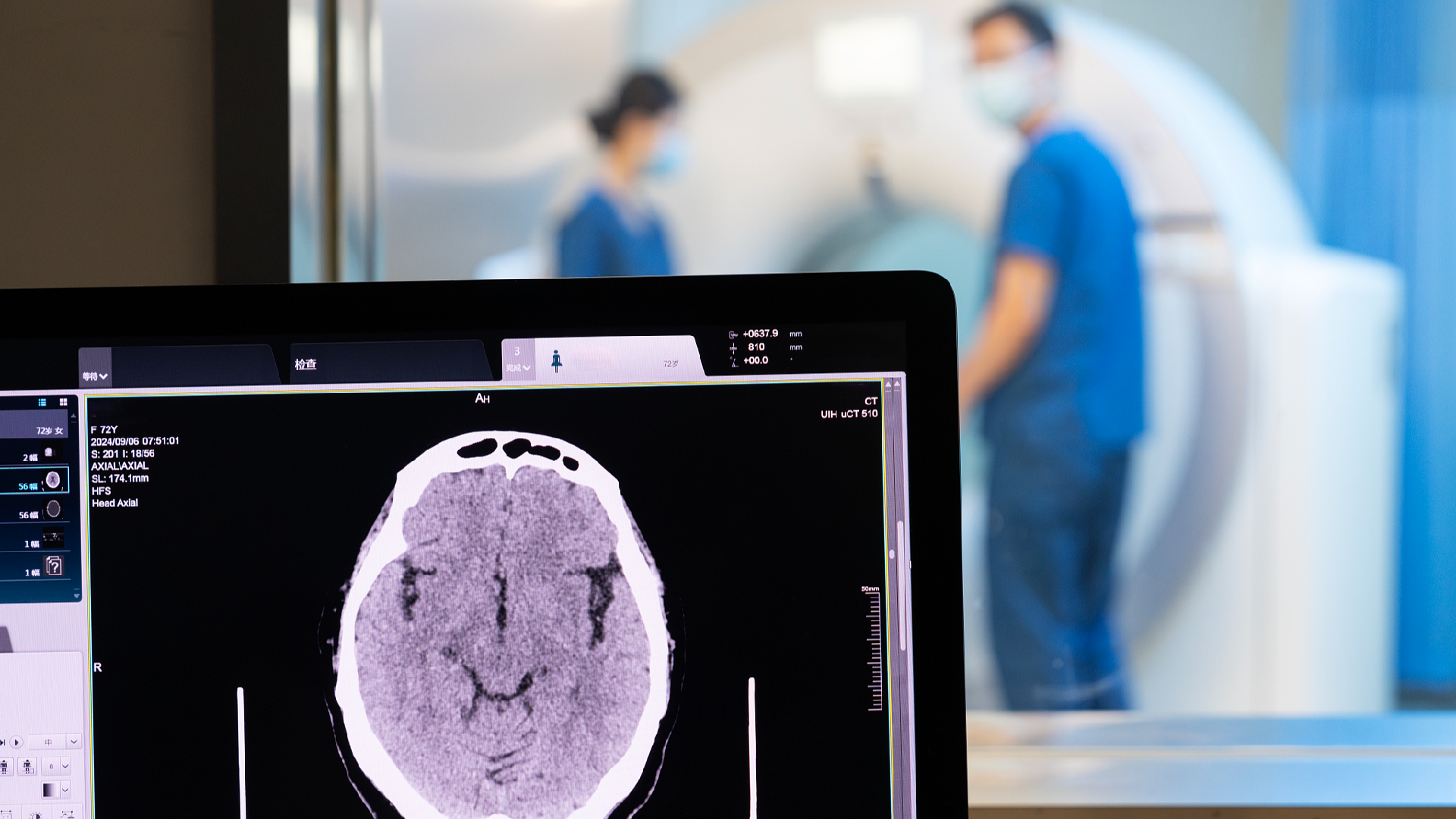
China Boosts Healthcare with Expanded Medical Test Recognition
China's NHC initiates a 3-year plan to unify medical tests for better patient experience and resource optimization by 2027.

Nvidia's Record Revenue Highlights AI Demand and Competition
This article explores Nvidia's record revenue growth amid a booming AI market, focusing on the distinctions between AI training and inference, and the broader implications for technology and competition.