

China Boosts Healthcare with Expanded Medical Test Recognition
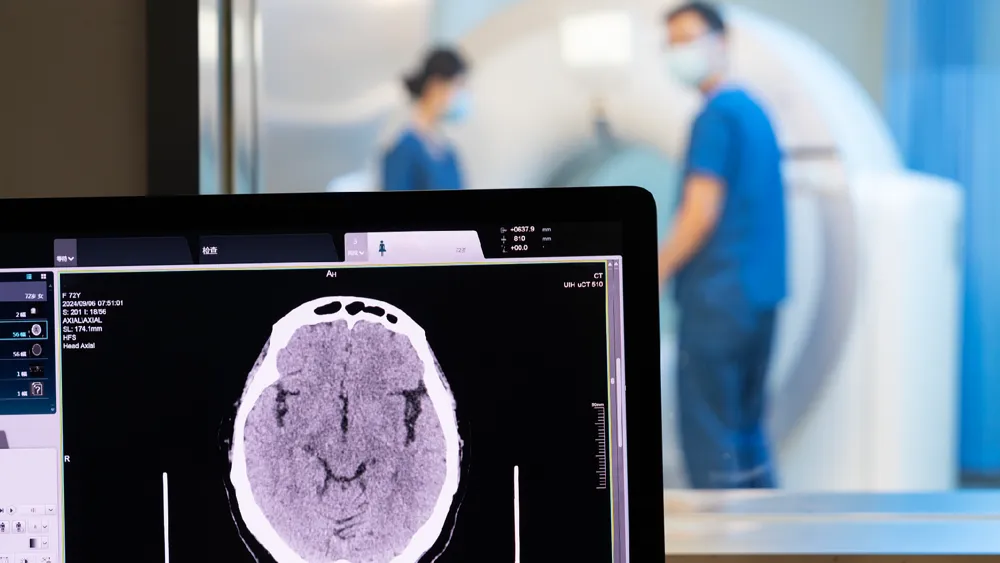
In a move to enhance patient experience and optimize medical resources, China is accelerating the nationwide mutual recognition of medical examination and laboratory test results, a reform that is reshaping the healthcare ecosystem.
The National Health Commission (NHC), China's health authority, will implement ten practical initiatives for the people this year. One of these initiatives is to increase the number of mutually recognized test and inspection items within cities.
For years, patients have faced the burden of undergoing repetitive tests and examinations when seeking care at various medical institutions. This practice has not only increased their financial strain and consumed their time but has also resulted in a significant waste of healthcare resources. The advancement of mutual recognition is now tackling this enduring challenge.
NHC senior official Li Dachuan confirmed at a press conference that all provinces across the country have now achieved mutual recognition of over 200 test and inspection items within their respective cities. This milestone indicates that the national mutual recognition effort has entered a phase of large-scale advancement.
Official data reveals progress in the underlying digital infrastructure. For instance, 25 provinces have established provincial-level imaging cloud platforms, which have been accessed for record reviews more than 350 million times.
The initiative builds on exploration that began as early as 2006. By the end of 2027, each province aims to mutually recognize over 300 items, with inter-provincial city clusters such as the Beijing-Tianjin-Hebei region, the Yangtze River Delta, and the Chengdu-Chongqing area targeting over 200 items.
The construction of regional information platforms is the core pillar supporting the implementation of mutual recognition. A national three-year action plan for healthcare information interoperability, launched in October, aims to unify digital standards across the country.
Jingzhou City in central China's Hubei Province has launched a mutual recognition platform, allowing a single report for 137 laboratory tests and 297 medical imaging examinations to be accepted across various hospitals. This has resulted in significant cost savings for nearly 200,000 patients.
However, the mutual recognition process is not just about data sharing. It relies on robust quality control, standardized procedures, and clinical assessment mechanisms. Physicians are empowered to determine the acceptance of previous results based on a patient's current condition.
To ensure accuracy, national efforts are underway to strengthen quality control centers across all levels of medical institutions. Experts argue that mutual recognition not only benefits patients but also serves as a vital tool for optimizing medical resource allocation and enhancing healthcare service efficiency.
Read These Next

Eye-Scanning Tech: Verifying Humanity in Digital Interactions
Exploring the introduction of eye-scanning technology by Tinder and Zoom for user verification and its implications in a digital world rife with AI impersonation.
Can a Digital Twin Create a 'Superworker'?
This article explores the potential of digital twins, like Richard Skellett's AI counterpart, to transform ordinary workers into 'superworkers' by enhancing their productivity and addressing key considerations around governance and ethical use.

Quantum Computing: Can Europe Lead the Tech Race?
An overview of the potential for Europe, particularly France, to lead in the quantum computing race, highlighting key players and their innovative approaches.