

France Leading the Future of Quantum Computing

In recent years, quantum computing has emerged as a groundbreaking field that promises to revolutionize technology. At its core, it harnesses the peculiar behaviors of particles at the quantum level to perform computations faster and more efficiently than traditional computers. This matters immensely in a world where data is exploding, and conventional computers struggle to keep pace with the increasingly complex problems we face, such as drug discovery and climate modeling. Understanding quantum computing is crucial because it represents a paradigm shift that could unlock unparalleled computational power and transform industries.
So, what exactly is quantum computing? It operates on the principles of quantum mechanics, the branch of physics that studies the behavior of matter and energy at the smallest scales. Traditional computers use bits as their smallest unit of information, which can only exist in one of two states: 0 or 1. In contrast, quantum computers utilize qubits, which can exist in multiple states simultaneously due to a property known as superposition. This allows quantum computers to process vast amounts of information at unprecedented speeds. For example, while a traditional computer may take years to solve certain complex problems, a quantum computer could potentially arrive at a solution in mere seconds. This enormous speedup can lead to transformative applications in fields ranging from cryptography to materials science.
Consider the implications of quantum computers in the medical field. Imagine a quantum computer analyzing numerous molecular interactions in real-time to identify the most effective drug formulations—eliminating much of the guesswork currently inherent in pharmaceutical development. This would not only accelerate the drug discovery process but also minimize adverse effects, leading to safer and more effective treatments. Companies like Alice & Bob in France are at the forefront of this technology, employing innovative strategies like the use of "cat qubits" designed to autonomously correct errors in computation—addressing a significant barrier to reliable quantum computing. This promising approach could pave the way for more affordable quantum machines and broaden access to this revolutionary technology.
In summary, quantum computing holds the potential to change the fabric of technology and science as we know it. As France positions itself as a key player in this emerging field with companies like Alice & Bob and a growing ecosystem of quantum startups, the excitement surrounding this technology warrants close attention. For those interested in learning more about quantum technologies and their implications, resources like Olivier Ezratty’s comprehensive compendium, "Understanding Quantum Technologies," can offer valuable insights into the ongoing developments and emerging opportunities in quantum computing.
Read These Next

Can a Digital Twin Create a 'Superworker'?
This article explores the potential of digital twins, like Richard Skellett's AI counterpart, to transform ordinary workers into 'superworkers' by enhancing their productivity and addressing key considerations around governance and ethical use.
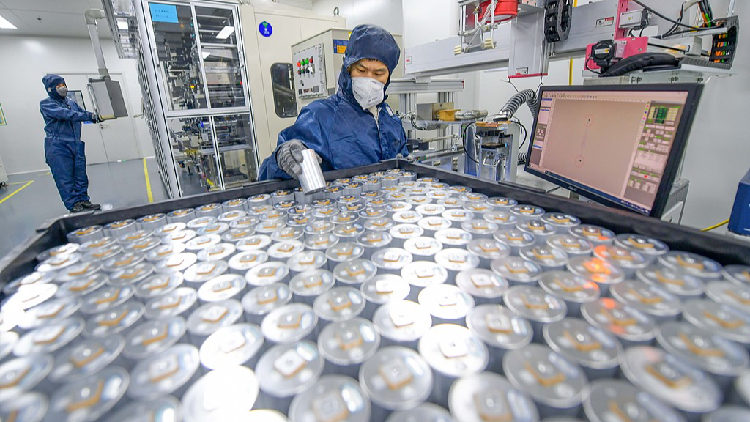
Chinese Team Introduces Smart Firewall Electrolyte for Battery Safety
A Chinese research team developed a non-flammable electrolyte for sodium-ion batteries that prevents thermal runaway, enhancing safety.

Amazon Ends Support for Older Kindles, Users Outraged
Amazon's decision to stop supporting older Kindle models has left many users frustrated and concerned about e-waste implications.