

US Measles Cases Surge to Four Times Annual Average in 2023
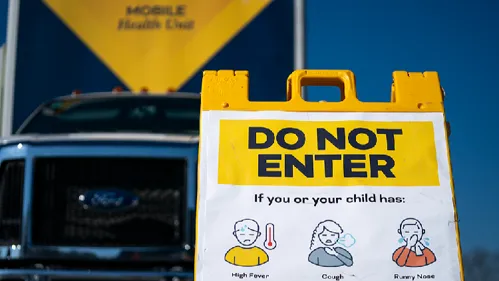
As of February 5, 2026, the United States has reported 733 confirmed measles cases this year, according to data released by the U.S. Centers for Disease Control and Prevention (CDC). This alarming figure is four times higher than the nation's typical annual average, highlighting a troubling trend in public health.
The CDC noted that the majority of these outbreaks are concentrated in areas characterized by low vaccination rates or among unvaccinated individuals, underscoring the critical importance of immunization in preventing such contagious diseases.
In recent years, vaccination rates for measles, mumps, and rubella (MMR) among kindergarten-aged children in the United States have continued to decline. This decrease poses a significant challenge to achieving herd immunity, which is essential to protect vulnerable populations.
The rise in measles cases also raises concerns not only for domestic public health but also in relation to international health protocols. With travel and migration being integral parts of global society, lower vaccination rates can lead to increased vulnerability to outbreaks that may cross borders.
Experts warn that continued vigilance and public health campaigns are essential to reversing the decline in vaccination rates. Strategies must include community engagement and education about the benefits of vaccines, particularly in regions most affected by rising measles cases.
The increased incidence of measles serves as a stark reminder of the importance of vaccination in preventing outbreaks and safeguarding public health. Without concerted efforts to increase immunization coverage, the risk of further surges in cases is likely.
Read These Next

Can Europe Win the Quantum Computing Race?
An overview of the potential of quantum computing in Europe, focusing on advancements from startups like Alice & Bob and the implications for the future.
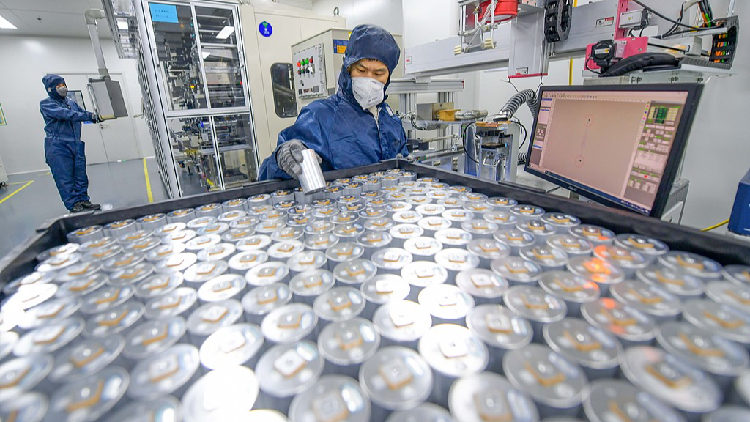
Chinese Team Introduces Smart Firewall Electrolyte for Battery Safety
A Chinese research team developed a non-flammable electrolyte for sodium-ion batteries that prevents thermal runaway, enhancing safety.

Amazon Ends Support for Older Kindles, Users Outraged
Amazon's decision to stop supporting older Kindle models has left many users frustrated and concerned about e-waste implications.