

China-backed Boreholes Boost Water Access and Jobs in Zimbabwe
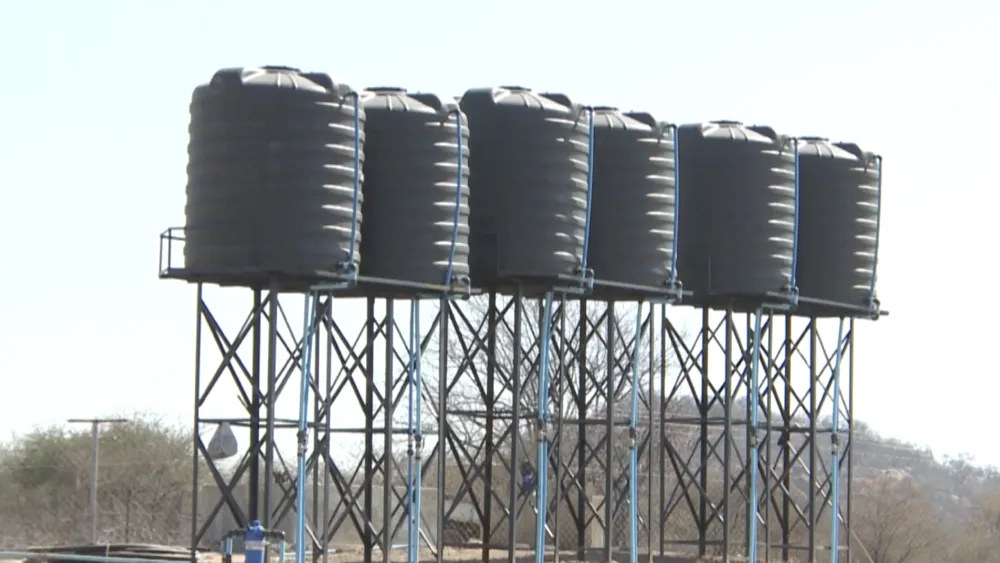
A China-supported borehole drilling program has emerged in Zimbabwe, established as a lifeline in the wake of catastrophic cyclones and prolonged droughts. This initiative reshapes daily living conditions by significantly enhancing food security, supporting livelihoods, and creating fresh opportunities for small enterprises.
In Mahusekwa Growth Point, a solar-powered borehole installed in 2025 stands as a focal point of activity. It was introduced as part of a larger Chinese government project aimed at restoring essential water and sanitation services, now supplying clean and dependable water to traders, households, and entrepreneurs previously reliant on distant and unreliable sources.
Market vendor Cynthia Garan'nga shared the transformation: 'We now have clean water to wash our products and for customers to wash their hands before they eat. We also fetch water to use at our homes because there is an intermittent supply.'
The consistent water access has also sparked new income-generating avenues. For Loveness Marabwanya, a local car wash operator, the borehole's convenience has lowered costs and optimized her business operations. 'I used to send people to fetch water from the river, but it's very far. Now water is just a few meters away,' she noted.
The borehole, powered entirely by solar energy, remains operational around the clock, immune to fuel shortages and power cuts. Local officials emphasize that this reliability is crucial for communities contending with increasingly erratic rainfall patterns.
Mahusekwa is just one of over 300 communities across Zimbabwe benefiting from these borehole projects funded through Chinese disaster assistance. Approximately 60 boreholes have been installed in Mashonaland East, an area historically plagued by chronic water shortages, hampering both development and food security.
Jeremiah Gwanzura, chairperson of the Marondera Rural District Council, remarked, 'These boreholes came at the right time. We have been experiencing droughts for the last two or three years.' The introduction of water has been pivotal in supporting livestock and small-scale farming endeavors, including goats, pigs, and nutrition gardens, thus helping households maintain production even during protracted dry spells.
At the national level, this borehole initiative is heralded as a shift from reliant emergency aid to sustainable development. 'In any disaster recovery program, what we always talk about is building better,' stated Nathan Nkomo, the Civil Protection Department’s chief director. 'You can see that principle in the establishment of these boreholes in Chimanimani, Midlands, and Mashonaland East.'
In addition to enhancing water access, China has played an instrumental role in fortifying food security through agricultural training and recovery programs. Officials underscore that these efforts are critical in aiding communities to rebuild in a more robust and sustainable manner as they confront an evolving climate.
Read These Next

Can Europe Win the Quantum Computing Race?
This article explores the growing potential of quantum computing in Europe, highlighting companies like Alice & Bob and their innovative approaches to this cutting-edge technology. The piece discusses the principles behind quantum computing and illustrates how Europe's unique advantages may enable it to compete successfully in this tech race.
Chinese Team Introduces Smart Firewall Electrolyte for Battery Safety
A Chinese research team developed a non-flammable electrolyte for sodium-ion batteries that prevents thermal runaway, enhancing safety.

Amazon Ends Support for Older Kindles, Users Outraged
Amazon's decision to stop supporting older Kindle models has left many users frustrated and concerned about e-waste implications.