

Ethiopia Declares End to Marburg Outbreak After Nine Deaths
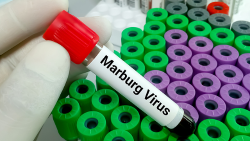
Ethiopia has officially declared the end of its first-ever Marburg virus outbreak, having reported no new confirmed cases for 42 consecutive days, as affirmed by the World Health Organization (WHO). This announcement comes after a period of intense monitoring and response to the outbreak.
During the outbreak, which began in November in the Southern Ethiopian Region, health authorities confirmed a total of 14 cases, resulting in nine fatalities. The quick identification and containment of the virus were crucial in stopping its spread.
"The rapid containment of this outbreak reflects strong national leadership, effective coordination, and the dedication of frontline responders and communities," stated Mekdes Daba Feyssa, Ethiopia’s Minister of Health.
The WHO praised Ethiopia's swift response, highlighting that proactive case detection, rigorous contact monitoring, and active community engagement were instrumental in halting transmission and managing the outbreak effectively.
Despite the successful containment of this outbreak, health officials have emphasized the need for ongoing vigilance to prevent any future outbreaks. Lessons learned from this incident will be vital for enhancing preparedness.
Marburg virus, while rare, is a highly lethal infectious disease similar to Ebola, presenting severe symptoms such as fever, vomiting, diarrhea, and bleeding. Currently, there are no licensed vaccines or specific treatments available for this virus.
Read These Next

Serbian Scientists Test Mealworms for Polystyrene Degradation
Serbian scientists use mealworms to digest plastics, aiming to improve waste management and tackle pollution sustainably.
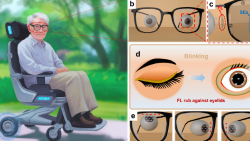
Blink-controlled wheelchairs enhance mobility for ALS patients
New tech lets ALS patients control wheelchairs with their eyes, using a self-powered eye-tracking system developed by Qingdao University.
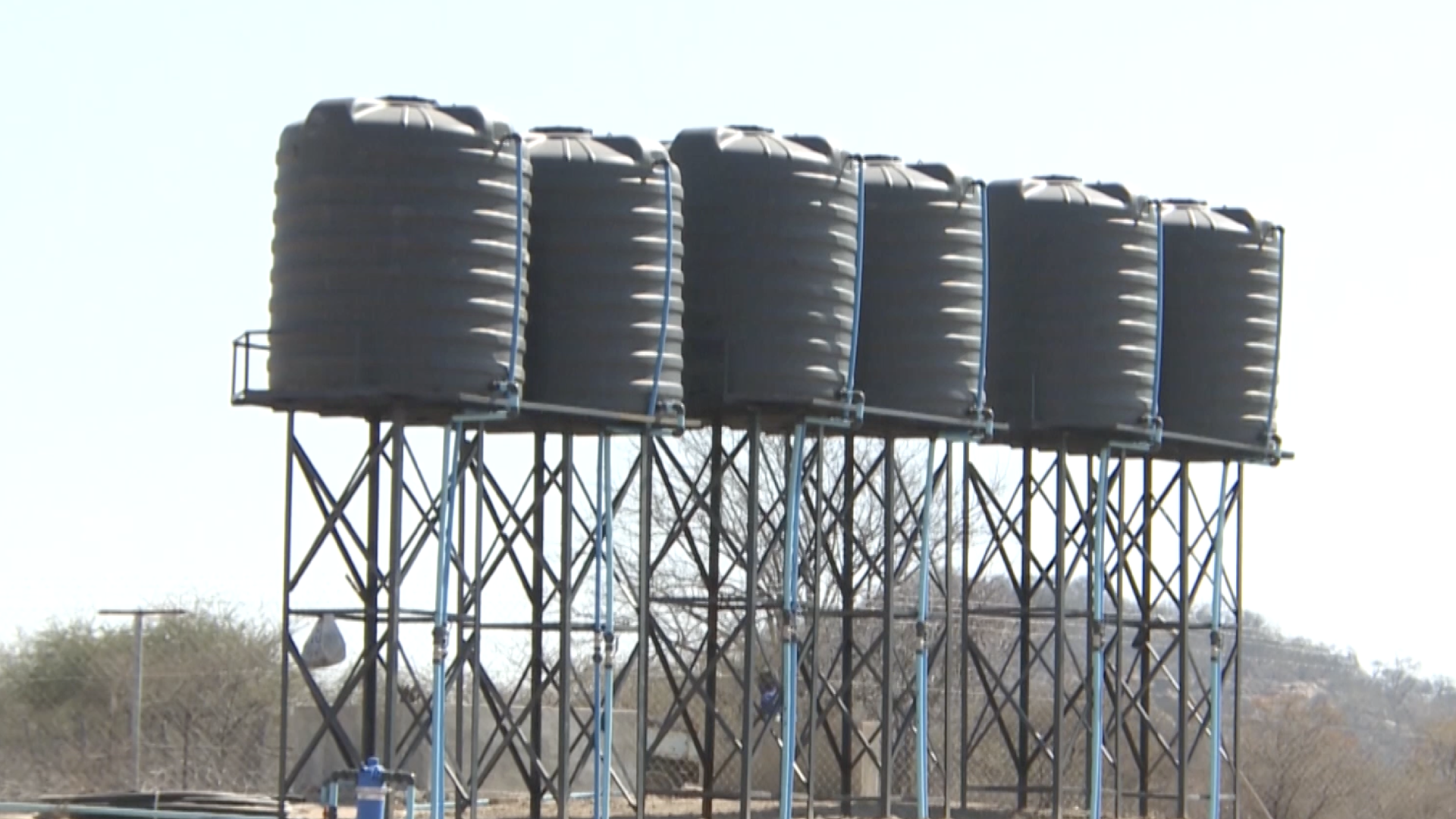
China-backed Boreholes Boost Water Access and Jobs in Zimbabwe
A China-backed borehole program in Zimbabwe boosts food security and livelihoods, providing reliable water for communities.