

Eye-Scanning Tech: Verifying Humanity in Digital Interactions

In an age increasingly dominated by digital interactions, verifying one’s humanity online has grown more critical than ever. With rampant impersonation fueled by advanced artificial intelligence, platforms like Tinder and Zoom are leading the charge to ensure authenticity in their user bases through innovative eye-scanning technology. The implications of such measures are vast, extending beyond personal safety to broader concerns regarding trust and credibility in global digital communication.
Tinder and Zoom’s new strategy involves the use of iris scans, submitted via a mobile app or a specialized device, to create a "proof of humanity" badge for users. This badge comes from World, a company co-founded by Sam Altman of OpenAI fame, that focuses on identifying real individuals amidst a sea of deceptive AI profiles. By confirming a user’s iris—recognized for its unique traits—World assigns a distinct identification code, stored in a smartphone app, which users can deploy across platforms. This process not only addresses the growing concern of AI-generated imposters—like the nearly 30% of fraudulent Tinder profiles flagged by a concerned blogger—but also serves as a robust line of defense against scams. For example, deepfake scams recorded losses exceeding $1 billion in 2022 alone, revealing the urgent need for enhanced verification methods.
As these innovations roll out, it’s essential to consider both their advantages and potential pitfalls. While the iris scanning system promotes user transparency and safety, it also raises significant questions about privacy and data security. In a world where biometric data could potentially be hacked or misused, how can companies ensure that this sensitive information remains secure? Furthermore, what are the long-term societal impacts of increasingly relying on such technology for authentication? Ultimately, the approach adopted by Tinder and Zoom signals a proactive step in combating digital impersonation, yet it underscores the ongoing dialogue about privacy and trust in an AI-augmented society.
Read These Next

Can a Digital Twin Create a 'Superworker'?
This article explores the potential of digital twins, like Richard Skellett's AI counterpart, to transform ordinary workers into 'superworkers' by enhancing their productivity and addressing key considerations around governance and ethical use.

Quantum Computing: Can Europe Lead the Tech Race?
An overview of the potential for Europe, particularly France, to lead in the quantum computing race, highlighting key players and their innovative approaches.
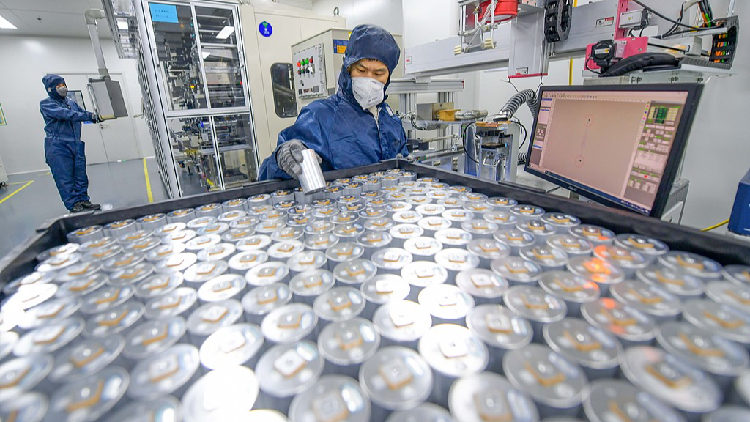
Chinese Team Introduces Smart Firewall Electrolyte for Battery Safety
A Chinese research team developed a non-flammable electrolyte for sodium-ion batteries that prevents thermal runaway, enhancing safety.