

Europe's Quantum Computing Tech Race

Quantum computing is at the frontier of technology, promising to revolutionize how we solve complex problems. It harnesses the unusual behaviors of particles at the quantum level, such as superposition and entanglement, to perform calculations far beyond the reach of classical computers. As seen in the lab of Alice & Bob in Paris, cryostats cool quantum chips to near absolute zero, a temperature at which atoms become nearly motionless, making it easier to control and manipulate qubits—the quantum bits that form the basis of quantum computing. Unlike traditional bits, which are either a 0 or a 1, qubits can exist in multiple states at once, allowing for a vastly greater number of calculations to be performed simultaneously.
Take the potential of quantum computing in medicine, for instance. As it stands, drug development is often a lengthy process of trial and error. Imagine a world where quantum computers could quickly simulate interactions between countless molecular combinations, allowing scientists to pinpoint the most effective options in a fraction of the time. This racing ahead in technology signifies not just competition among nations or companies, but also a chance for breakthroughs that could lead to real-world solutions, such as curing diseases or optimizing renewable energy systems. Furthermore, addressing misconceptions: while some may believe quantum computing solely means faster calculations, it actually opens doors to entirely new solutions that classical systems cannot achieve. The challenges remain, such as the delicacy of qubits, which can easily lose their quantum state, but innovations, including Alice & Bob’s error-correcting cat qubits, are paving the way.
Read These Next

Chinese Team Introduces Smart Firewall Electrolyte for Battery Safety
A Chinese research team developed a non-flammable electrolyte for sodium-ion batteries that prevents thermal runaway, enhancing safety.

Amazon Ends Support for Older Kindles, Users Outraged
Amazon's decision to stop supporting older Kindle models has left many users frustrated and concerned about e-waste implications.
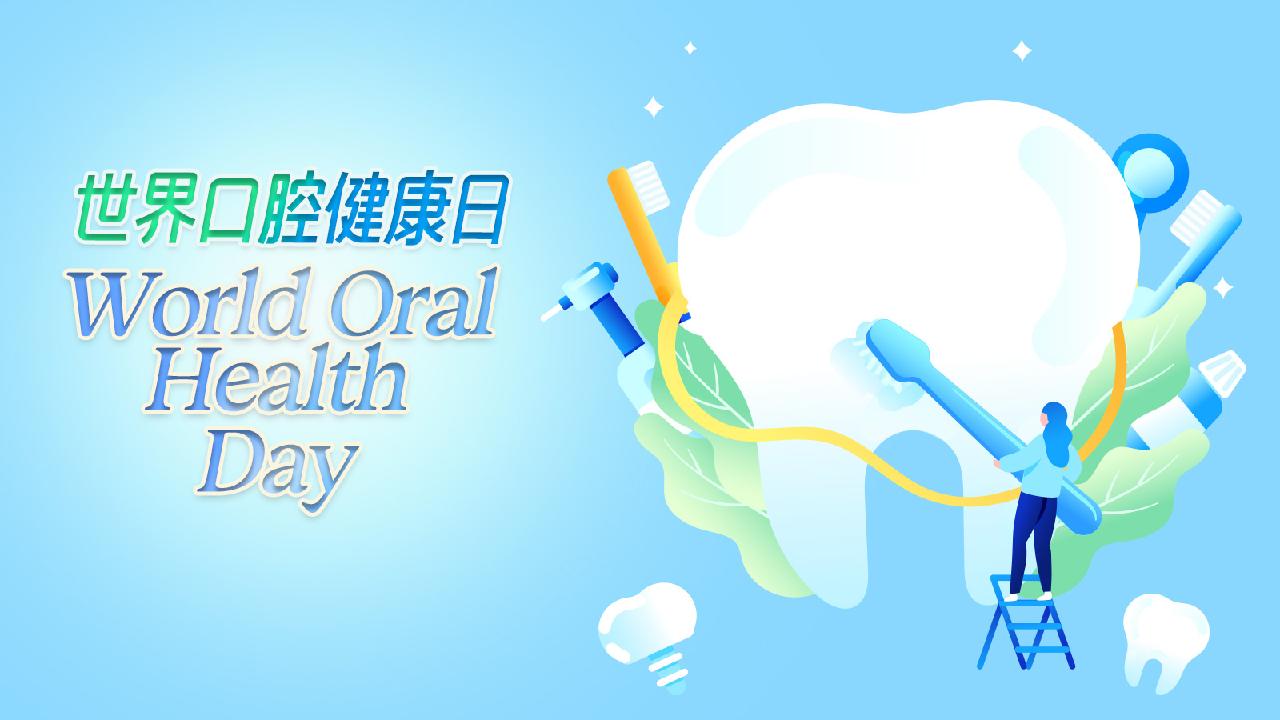
World Oral Health Day Highlights Importance of Mouth Care
World Oral Health Day on March 20 emphasizes oral care for all ages. This year's theme is "A Happy Mouth is a Happy Life."