

Brazilian Scientists Urgency to Prevent Coral Reef Collapse
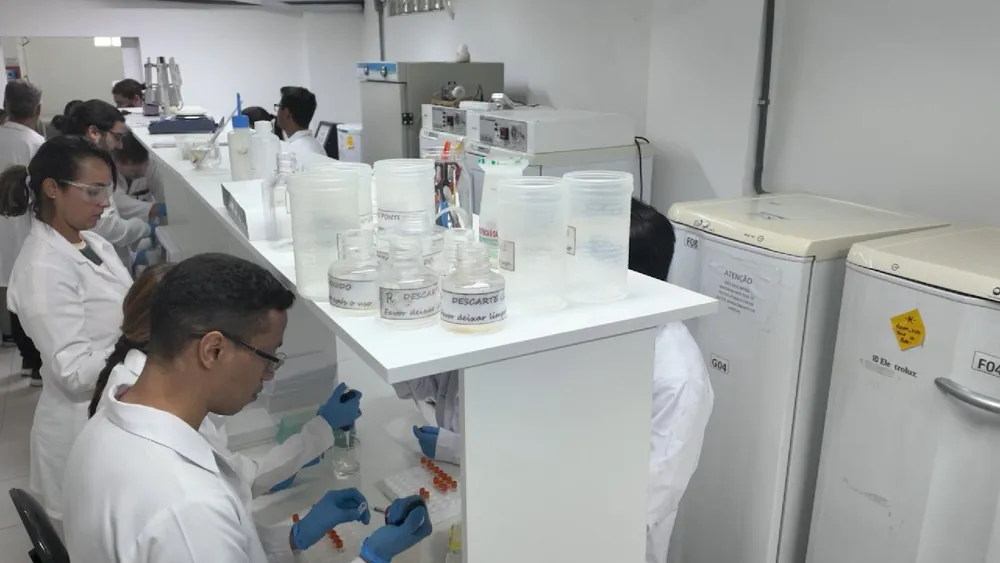
Brazilian scientists are at the forefront of a global initiative to cultivate resilient coral species, as over half of the world's coral reefs have perished in the last 75 years. The alarming statistic underscores a growing crisis where more than 80 percent of the surviving reefs have suffered from bleaching, a direct result of climate change and human-induced pressures.
In response to these pressing challenges, researchers worldwide are racing to discover and promote coral species that can endure rising ocean temperatures, increased salinity levels, and pollution. Among the notable contributors to this vital effort are Brazilian scientists, who have recently made significant strides by successfully reproducing a native coral species under controlled laboratory conditions.
This achievement not only demonstrates the potential for coral restoration but also highlights the importance of scientific innovation in addressing environmental degradation. The laboratory reproduction of corals is a critical step in efforts to restore these essential ecosystems, which provide invaluable services such as habitat for marine life, coastline protection, and support for fisheries.
As Brazil takes steps to protect its marine biodiversity, scientists emphasize the need for coordinated global efforts to ensure the survival of coral reefs. Collaboration among researchers, policymakers, and local communities is essential to implement strategies that combat the threats posed by climate change and overfishing.
The ongoing work of Brazilian coral scientists showcases how targeted research and proactive measures can contribute to the fight against reef collapse. As the situation worsens, there is an urgent call for increased investment in marine sciences and technologies to develop sustainable solutions.
Lucrecia Franco reports from Rio de Janeiro, shedding light on the resilience displayed by these scientists in the face of a rapidly changing marine environment. The stakes are incredibly high, not just for the corals themselves but for the millions of people who depend on healthy reef ecosystems for their livelihoods.
To stay updated on these developments and delve deeper into the world of marine research, readers are encouraged to subscribe to exclusive content available on CGTN Now and to join the weekly newsletter, The China Report.
Read These Next

Eye-Scanning Tech: Verifying Humanity in Digital Interactions
Exploring the introduction of eye-scanning technology by Tinder and Zoom for user verification and its implications in a digital world rife with AI impersonation.

Can a Digital Twin Create a 'Superworker'?
This article explores the potential of digital twins, like Richard Skellett's AI counterpart, to transform ordinary workers into 'superworkers' by enhancing their productivity and addressing key considerations around governance and ethical use.

Quantum Computing: Can Europe Lead the Tech Race?
An overview of the potential for Europe, particularly France, to lead in the quantum computing race, highlighting key players and their innovative approaches.