

Chinese Ocean Expeditions Progress During Spring Festival
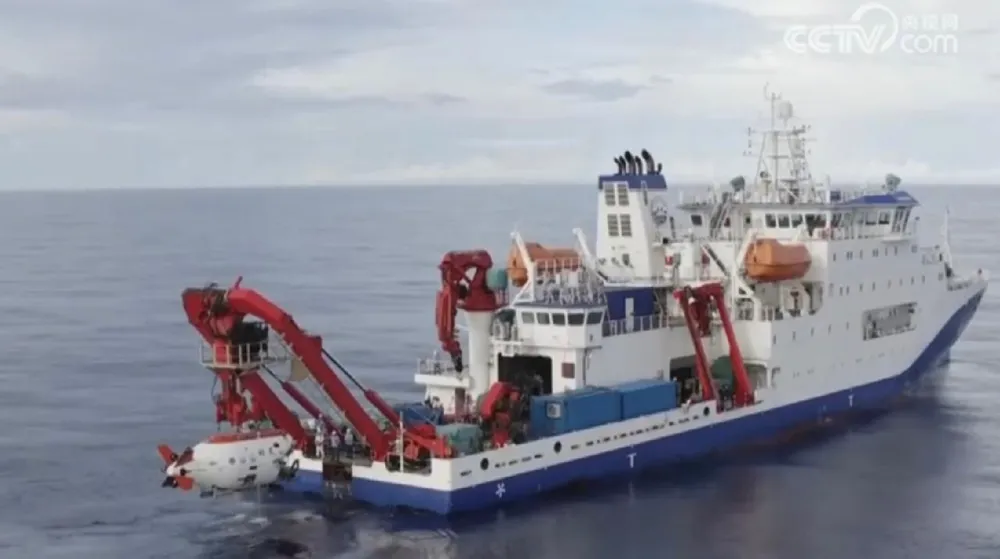
During the Spring Festival holiday, four Chinese scientific research teams are actively engaged in ocean expeditions across the Pacific and Indian Oceans, focusing on the impacts of climate change on marine environments.
In the western Pacific, the Shenhai Yihao research vessel, also known as Deep Sea No. 1, is currently on a mission equipped with the manned deep-sea submersible, Jiaolong.
Recently, Jiaolong completed its 419th dive, marking the eighth in the current voyage, successfully reaching depths exceeding 4,000 meters.
The main objective of this mission is to conduct ecological surveys in hydrothermal vent areas, alongside investigations in marine geology, chemistry, biology, and physics.
Jiaolong operates in tandem with a remotely operated vehicle, with both submersibles routinely conducting their operations from the same research vessel.
As China's first support vessel for manned submersibles, Shenhai Yihao previously facilitated Jiaolong's historic first crewed deep-sea dive in the Arctic Ocean in September 2025.
In addition, the Dayang-95 ocean expedition team set sail from Shenzhen on February 13, focusing on exploring seabed sulfide deposits in the Indian Ocean and assessing the area’s resource reserves.
Meanwhile, in the northwestern Pacific, the Dayang-91 ocean expedition team is dedicated to conducting environmental and resource surveys within a polymetallic nodule exploration area operated by a Chinese deep-sea resource development company.
Their research thus far has yielded valuable data regarding resource distribution and winter environmental conditions, expected to contribute to future environmental impact assessments for mining activities.
At the same time, the Dayang-94 ocean expedition crew is focused on conducting water column studies in the northwestern Indian Ocean.
Scientists are investigating the influences of human activities and climate change on marine environmental shifts and oxygen depletion, aiming to uncover mechanisms driving biodiversity changes and enhance regional conservation efforts.
Read These Next
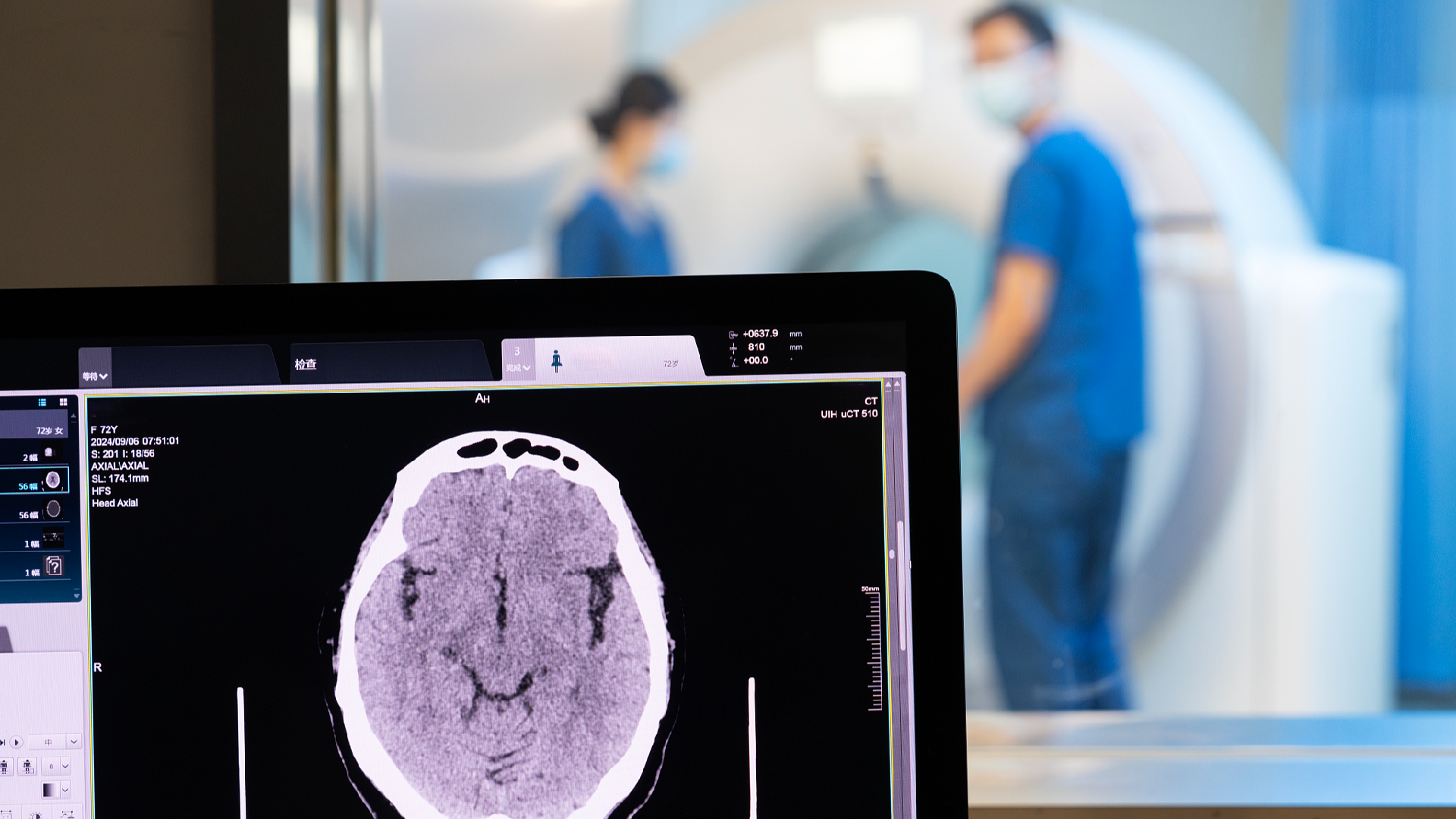
China Boosts Healthcare with Expanded Medical Test Recognition
China's NHC initiates a 3-year plan to unify medical tests for better patient experience and resource optimization by 2027.

Ethics vs. Innovation: Anthropic and Pentagon's Standoff
The article discusses the tension between the U.S. Pentagon and Anthropic over the use of AI in military operations, emphasizing the ethical implications and the future of collaboration in AI technology.

Nvidia's Record Revenue Highlights AI Demand and Competition
This article explores Nvidia's record revenue growth amid a booming AI market, focusing on the distinctions between AI training and inference, and the broader implications for technology and competition.