

Global Interest in Chinese Culture Fuels Health and Wellness Trends
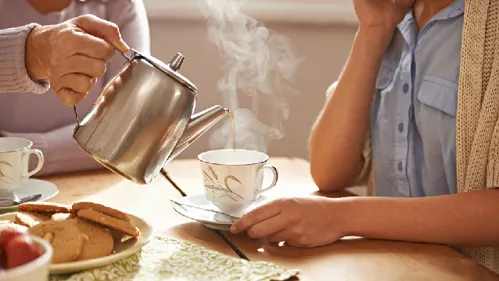
The concept of 'Tomorrow, you're becoming Chinese' reflects a growing global fascination with wellness practices rooted in traditional Chinese culture. A recent viral TikTok video showcases various lifestyle habits inspired by these practices, highlighting activities such as drinking hot water in the morning, boiling apples, wearing indoor slippers at home, soaking feet before bedtime, and engaging in slow, meditative exercises.
Presented with a light-hearted tone, this trend captures the attention of a younger audience worldwide, underscoring a larger movement aimed at achieving tranquility, balance, and well-being amidst an increasingly fast-paced and high-pressure lifestyle.
Many of these wellness practices are based on ancient Chinese philosophies that prioritize balance, moderation, and consistency over intensity. Traditional exercises, such as tai chi and baduanjin, emphasize smooth, flowing movements synchronized with breathing and mental focus. Unlike high-intensity workouts, these simpler, more sustainable practices are associated with several health benefits, including reductions in stress, improvements in sleep quality, and better regulation of blood pressure.
Another widely imitated practice is foot soaking before sleep, which is believed to promote relaxation and improve blood circulation. This ritual not only offers physical benefits but also serves as a calming conclusion to a busy day, reinforcing a cycle of activity and rest.
In terms of hydration, hot water, apple-infused water, and lemon water have become more than just means to quench thirst; they are now considered integral to daily self-care routines that emphasize comfort and consistency.
A significant reason these practices resonate globally is their ease of adoption. They demand minimal time, financial investment, and specialized equipment. For individuals grappling with stressful work environments and rising mental health challenges, these routines can easily fit into everyday life.
Siddharth Chatterjee, the United Nations Resident Coordinator in China, emphasized that minor lifestyle modifications and the incorporation of slow, mindful movements can significantly enhance personal well-being. He highlighted that techniques like breathwork can be practiced anywhere, negating the necessity for gyms or specialized equipment.
Practices such as tai chi and qigong not only promote internal balance and harmony but also reflect a broader perspective on non-violence and coexistence with one’s environment. Experts increasingly warn that the chronic health issues tied to stress and sedentary lifestyles present long-term challenges, emphasizing the need for sustainable behavior changes.
For many young individuals facing work-related stress and economic insecurities, this 'Becoming Chinese' trend represents a realistic and sustainable lifestyle approach. It promotes ongoing comfort, repeatable actions, and emphasizes long-term well-being rather than extreme physical exertion.
As international participants engage with these traditional practices, the trend evolves from mere imitation to a deeper understanding of underlying cultural values – such as restraint, regularity, and increased sensitivity to the body's needs.
Jake Pinnick, an American resident in China for over a decade, exemplifies this cultural exchange. Initially attracted to Chinese martial arts, he remains drawn to Taoist philosophy and the symbiosis of human activities with nature, sharing insights through his social media presence.
Ultimately, these traditional wellness habits symbolize a holistic lifestyle that nurtures consistent routines while fostering a harmonious relationship with nature. The enthusiasm displayed by young people worldwide is not merely an ephemeral trend but signifies a genuine embrace of Chinese cultural values and the ability of daily practices to connect diverse cultures meaningfully.
Read These Next
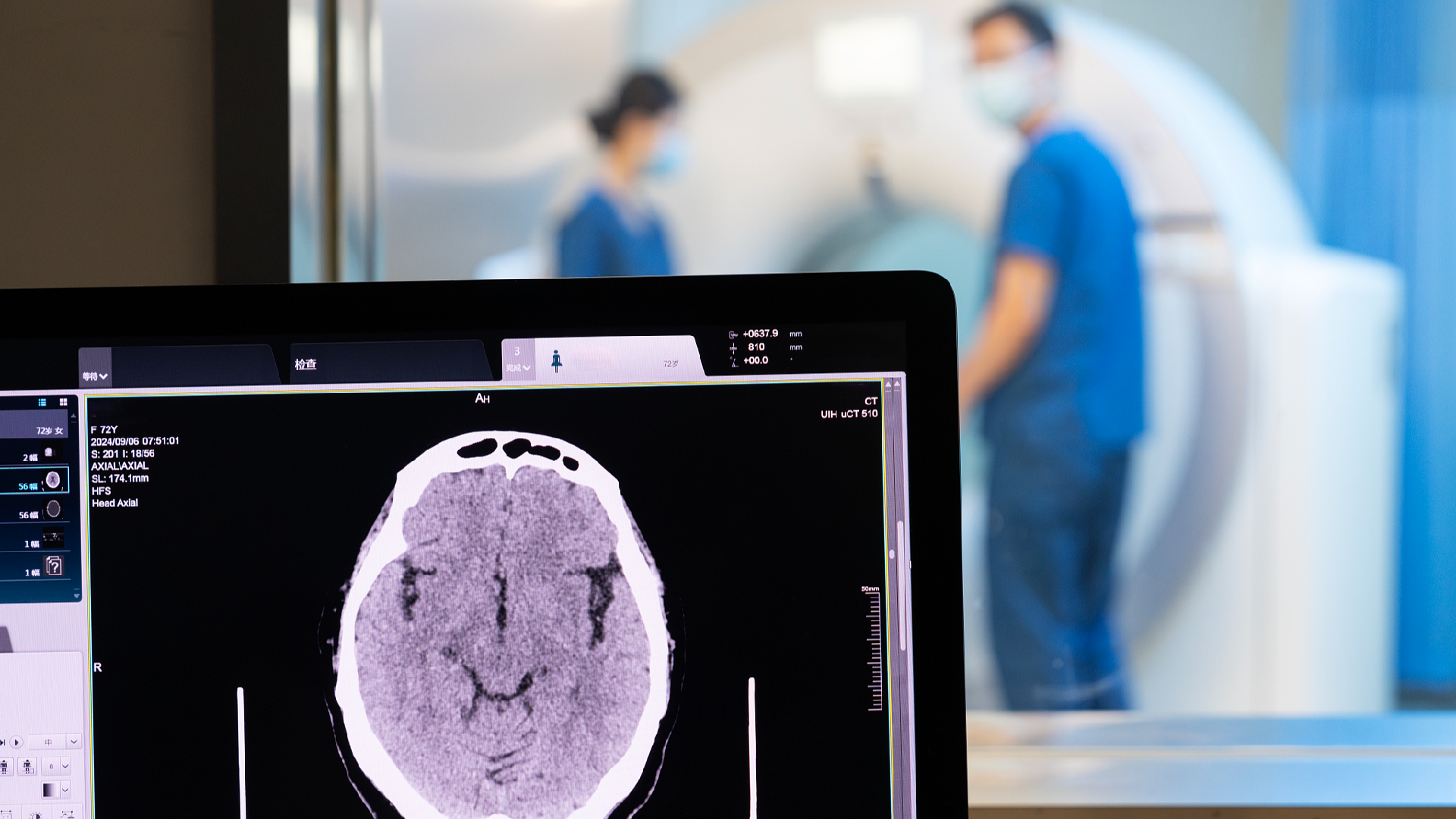
China Boosts Healthcare with Expanded Medical Test Recognition
China's NHC initiates a 3-year plan to unify medical tests for better patient experience and resource optimization by 2027.
Ethics vs. Innovation: Anthropic and Pentagon's Standoff
The article discusses the tension between the U.S. Pentagon and Anthropic over the use of AI in military operations, emphasizing the ethical implications and the future of collaboration in AI technology.

Nvidia's Record Revenue Highlights AI Demand and Competition
This article explores Nvidia's record revenue growth amid a booming AI market, focusing on the distinctions between AI training and inference, and the broader implications for technology and competition.