

Seedance 2.0: A Game-Changer in AI Video Content

The emergence of cutting-edge artificial intelligence (AI) technologies is striking fear and intrigue in the entertainment industry, marking a pivotal moment in creative content generation. Among the most notable advancements is Seedance 2.0, developed by the Chinese tech giant ByteDance, the company behind TikTok. This application can create cinema-quality videos—including sound effects and dialogue—by simply using brief text prompts. Its implications for creative industries, particularly in Hollywood, are profound as the ability to generate high-quality video content effortlessly could redefine production norms.
At its core, Seedance 2.0 represents a leap forward in generative AI technology. Building upon its predecessor launched in the summer of 2025, this version integrates text, visuals, and audio into a single coherent output. For instance, the ability of Seedance to create lifelike video clips, including scenes of popular characters engaging in unique scenarios, has garnered considerable attention. Industry experts note that these capabilities not only match current standards but also introduce a new benchmark for realism in digital animation. The staggering efficiency of this AI could allow filmmakers and content creators to explore genres that were previously prohibitive due to budget constraints. Rather than simply automating processes, Seedance adds layers of creativity that allow for a more inclusive range of storytelling.
Despite its potential, Seedance faces significant ethical and legal challenges. The backlash from Hollywood—centered around copyright infringement due to the unauthorized use of iconic characters—highlights the complicated intersection between technology and intellectual property rights. With major companies like Disney and Paramount issuing cease-and-desist orders, the urgency for clear frameworks governing the use of AI-generated content is critical. Developers are encouraged to create systems that address not just the technological prowess of such tools but also the ethical considerations surrounding licensing and creator rights. As this technology evolves, industry stakeholders must grapple with balancing innovation with respect for original content.
Read These Next
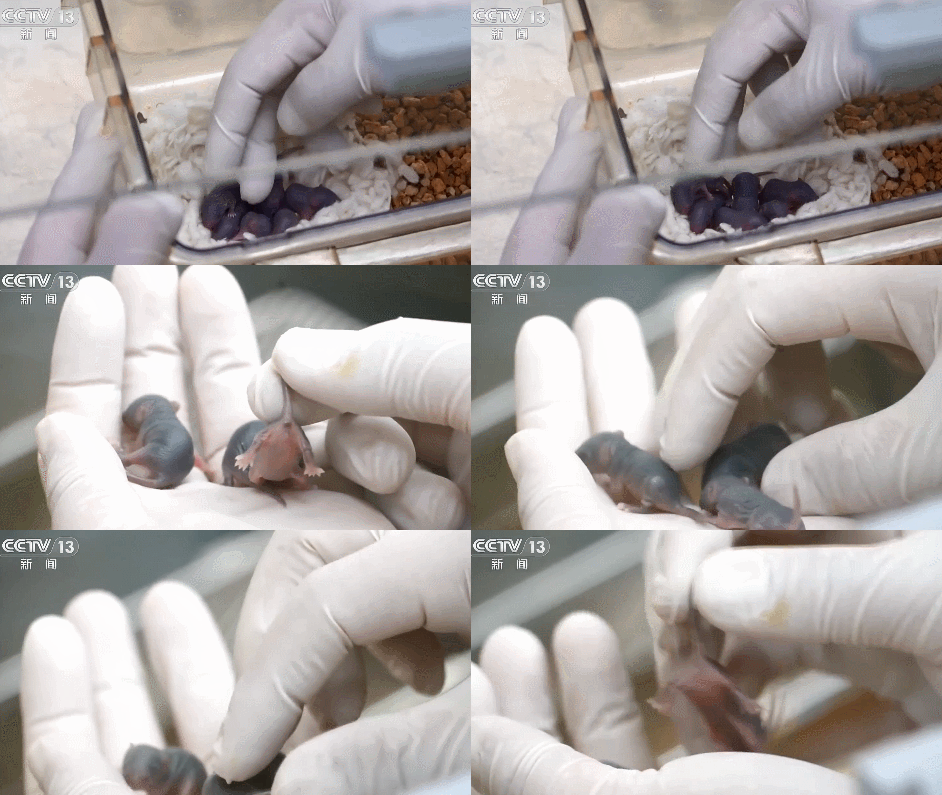
Space Mouse Welcomes First Generation of Pups for Research
A female mouse from China's Shenzhou-21 spacecraft has given birth to nine pups, advancing understanding of space travel's effects on reproduction.

SpaceX Rocket Failure Raises Pollution Concerns
This article explores the connection between space debris and atmospheric pollution, specifically highlighting the recent findings related to a SpaceX rocket failure and its environmental implications.

China to launch flagship science journal Vita in spring 2026
Vita, a new life sciences journal from Westlake University, launches in spring 2026 with global expert input and preprint sharing.