

Chinese Cities Push for Green Energy in New Vehicle Power
In March, China’s National Development and Reform Commission (NDRC) unveiled guidelines aimed at enhancing the use of green electricity to power new energy vehicles (NEVs). This initiative signifies a substantial step in promoting sustainability and environmental awareness across the country.
Shenzhen, a leading city in this endeavor, has introduced an incentive program designed to encourage NEV owners to utilize electricity derived from renewable sources for charging their vehicles. The program, dubbed 'Green Car, Green Electricity,' allows owners to receive exclusive green certificates issued by the National Energy Administration (NEA) for every 1,000 kWh of electricity charged at designated green electricity stations.
These 11 charging stations in Shenzhen, which provide 100 percent green electricity, bolster the city's capabilities to support a more eco-friendly transportation network. The shift to renewable sources includes wind, solar, and biomass power, enabling a cleaner energy grid.
At a recent event held at the Lianhuashan supercharging station, NEV owners were rewarded for their commitment to sustainable driving. Participants received 'Green Car, Green Electricity' badges and charging cards valued at 50 yuan, highlighting the city's dedication to environmental sustainability.
The green certificate system, introduced in 2017, has seen significant growth in recent years. According to NEA data, from January to June 2025, over 1.37 billion green certificates were issued, demonstrating the increasing engagement in the renewable energy market and further promoting the green charge initiative.
Shenzhen is not alone in this push for green energy; other cities, like Jingjiang City in Jiangsu Province, are also making strides. Charging stations there prominently display messages indicating the electricity supplied is entirely from green sources, aiming to raise public consciousness about renewable energy.
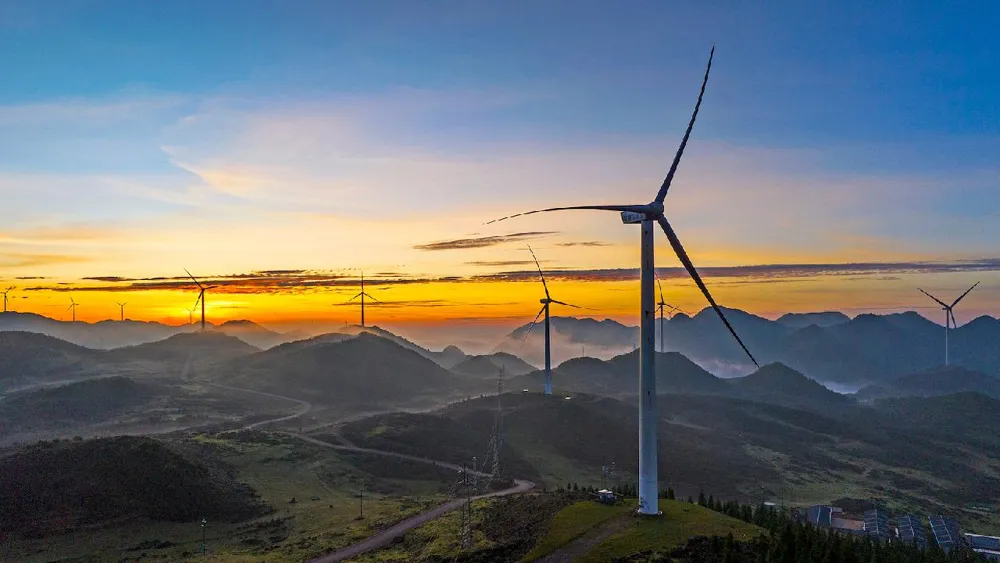
China's broader commitment to renewable energy is exemplified by its ambitious targets of reaching peak carbon emissions by 2030 and achieving carbon neutrality by 2060. The nation has invested heavily in solar and wind capacities, with current installed renewable energy capacity surpassing 2.16 billion kilowatts, representing 59.2 percent of its total generation capacity.
Recent reports from the NDRC underscored that initiatives such as Beijing's plans to enhance NEVs charging with renewable energy are part of a national trend. This focus on innovative transaction mechanisms further supports the consumption of green electricity, ultimately fostering a cleaner environment for future generations.
Read These Next

Can a Digital Twin Create a 'Superworker'?
This article explores the potential of digital twins, like Richard Skellett's AI counterpart, to transform ordinary workers into 'superworkers' by enhancing their productivity and addressing key considerations around governance and ethical use.
Quantum Computing: Can Europe Lead the Tech Race?
An overview of the potential for Europe, particularly France, to lead in the quantum computing race, highlighting key players and their innovative approaches.
Chinese Team Introduces Smart Firewall Electrolyte for Battery Safety
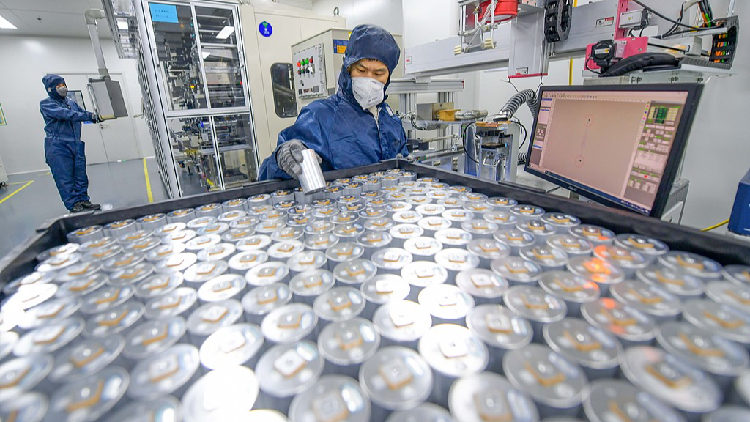
A Chinese research team developed a non-flammable electrolyte for sodium-ion batteries that prevents thermal runaway, enhancing safety.