

China Strengthens Health Safeguards for Workforce

China is taking significant steps to strengthen health safeguards for its workforce, particularly focusing on occupational safety and health protection. The country has announced an expansion of its occupational injury insurance program to cover more than 20 million workers engaged in new forms of employment, aiming to enhance protections and address various health challenges.
During a recent press conference, officials from China's Ministry of Human Resources and Social Security revealed that the program, launched in 2022, has already been implemented in 17 provincial-level regions. Plans are in place to extend the program across all provincial regions by 2026, which will encompass platform companies operating in sectors such as ride-hailing, rapid delivery, and intra-city freight.
Furthermore, the National Health Commission has established a robust legal framework for the prevention of occupational diseases. This framework includes six laws and regulations along with 10 departmental rules, highlighting the government's commitment to improving workplace safety and protecting workers' health.
In recent years, the Chinese authorities have produced over 660 technical standards relevant to occupational safety, which include more than 300 for monitoring workplace hazards and close to 100 for effective engineering controls. These standards are critical as they provide essential guidance for preventing and controlling the rising incidence of occupational diseases.
China's legislation also mandates multiple safeguards for workers suffering from occupational diseases. Employers are required to arrange treatment, rehabilitation, and regular check-ups for affected employees, ensuring compliance with widely accepted regulations.
In 2024 alone, extensive inspections were carried out across 500,000 high-risk jobs, and five million individuals with respiratory diseases were screened for conditions such as pneumoconiosis. These efforts have shown gradual improvements in workplace conditions, although challenges persist, particularly in addressing traditional occupational diseases.
Despite the current incurability of pneumoconiosis, medical professionals emphasize that standardized treatment and rehabilitation can significantly slow disease progression and enhance patients' quality of life. The National Health Commission has established 900 rehabilitation stations specifically for pneumoconiosis treatment, utilizing local hospitals and community health centers.
Noise exposure remains a significant concern, particularly in the mining and machinery manufacturing sectors, where noise levels frequently exceed safety standards. Many small and medium enterprises still lack adequate measures for occupational health protection, underscoring the need for ongoing regulatory enforcement.
To counter these challenges, the National Health Commission is implementing various intelligent and efficient protective technologies across industries such as mining and metallurgy. The initiative, aimed at bolstering safety measures, is complemented by efforts from over 3,000 technical teams that visited more than 60,000 smaller enterprises last year to provide guidance on occupational illness prevention.
Rapid economic growth and shifts in work dynamics have resulted in increased physiological and psychological health concerns among the workforce, driven by factors such as poor working conditions and excessive stress. This evolving landscape highlights the urgent demand for a broader scope of occupational health protection initiatives.
As part of ongoing health reforms, China's updated catalog of occupational diseases, implemented in August, now includes 135 recognized conditions organized into 12 categories. Notable additions to this list are carpal tunnel syndrome and post-traumatic stress disorder, reflecting a growing awareness of the mental and physical health issues faced by workers in modern workplaces.
Read These Next

Live The Hype Real Stories of Receiving Healthcare Abroad
'The Hype' roundtable explores evolving global travel and healthcare, focusing on traveler comfort and care through shared experiences.
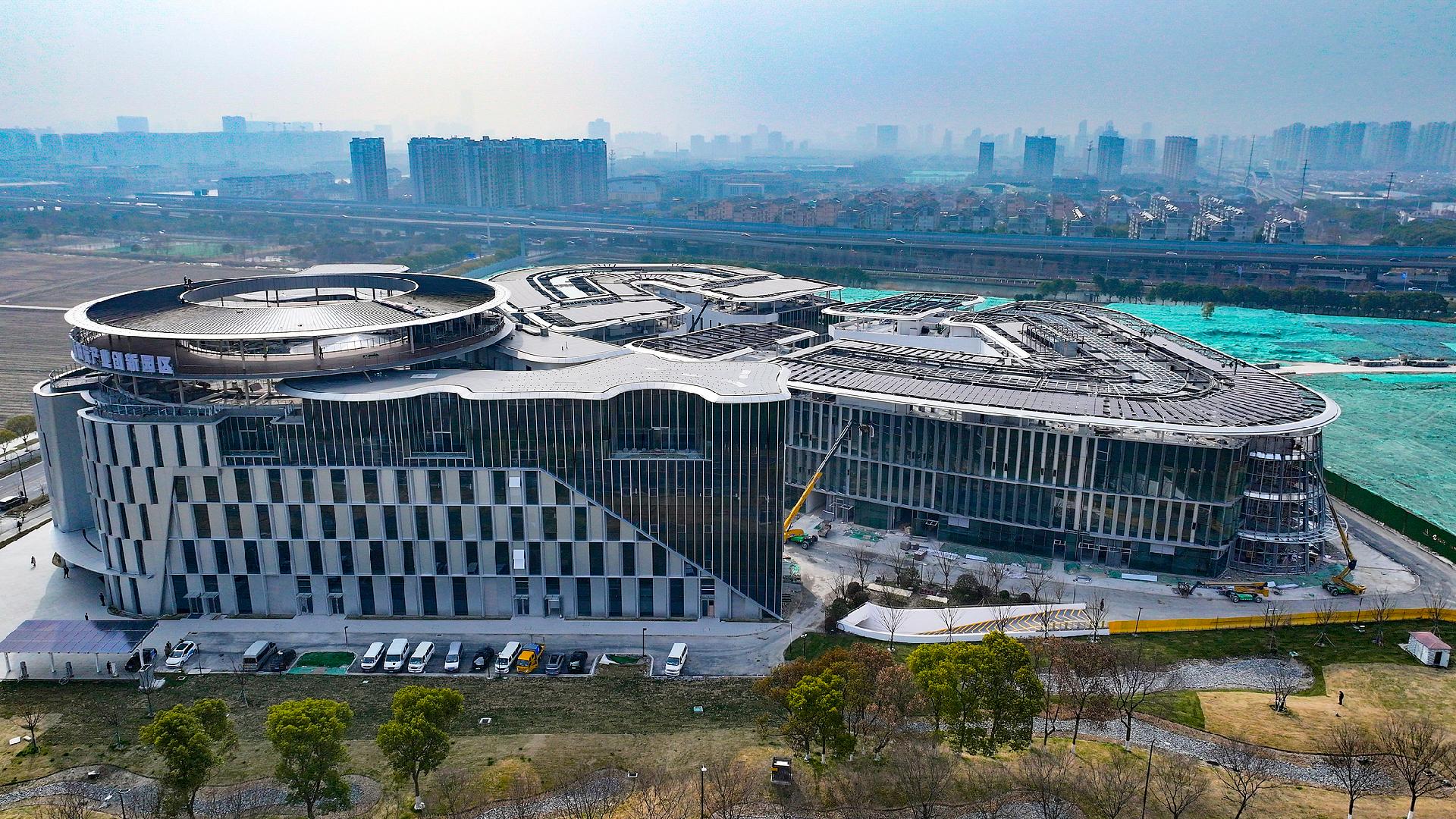
China's Green Factory Initiative Aims to Decarbonize Manufacturing
China leads in green manufacturing transformation, prioritizing low-carbon systems in its 14th Five-Year Plan to cut emissions.
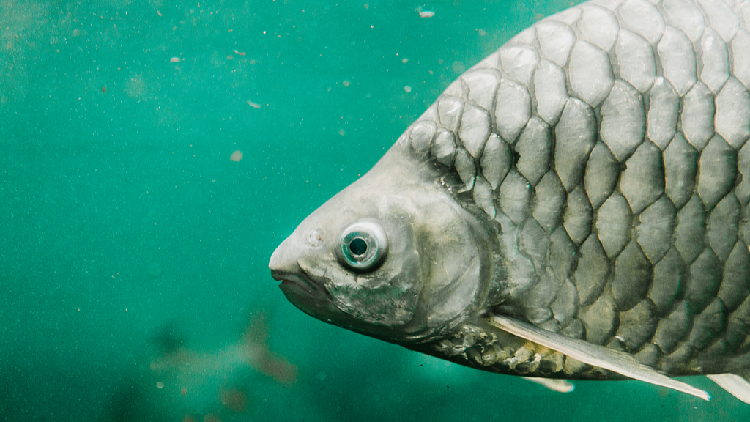
China Unveils Innovative Bone-Free Fish for Dinner Tables
Chinese scientists have created a bone-free Gibel carp, "Zhongke No. 6," enhancing aquaculture sustainability and culinary enjoyment.