

China's Green Factory Initiative Aims to Decarbonize Manufacturing
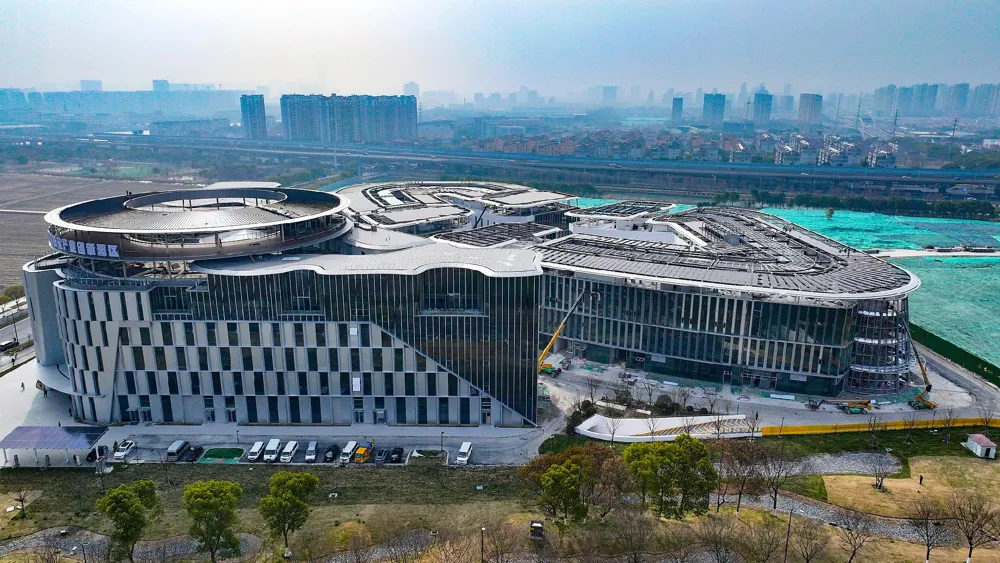
China is taking significant strides towards transforming its manufacturing landscape with the green factory initiative, emphasizing low-carbon systems as part of its 14th Five-Year Plan. This strategic push is centered on reducing emissions and promoting environmental sustainability.
The 14th Five-Year Plan, which spans from 2021 to 2025, positions green development as a cornerstone for achieving high-quality economic growth. This underscores a focused phase of industrial transformation that prioritizes industrial innovation and sustainability.
Government reports from pivotal agencies such as the National Development and Reform Commission and the Ministry of Industry and Information Technology highlight a coordinated national effort to reduce carbon intensity. This initiative aims to foster the clean energy sector and build an extensive green manufacturing framework.
A key objective of the 14th Five-Year Plan involves the advancement of low-carbon and green industries. Official statistics reveal considerable progress in restructuring energy sources and cultivating a clean energy supply chain, reinforcing China's commitment to a sustainable future.
China has emerged as a global leader in renewable energy, consistently ranking first in installed wind and solar capacities worldwide. This transition is not only beneficial for domestic consumption but also positions China as a crucial player in global climate governance.
Recent data from the global energy think tank Ember indicates that the combined global capacity for renewable electricity generation eclipsed that of coal in the first half of 2025, thanks to China's extensive clean energy efforts.
The rapid expansion of China’s wind and solar product exports serves to support reducing carbon emissions globally, thereby enhancing its role in international climate efforts.
Another notable aspect of this green transition is the rapid growth of the new energy vehicle (NEV) sector, which is seen as a pivotal element of China's shift towards sustainable industrial practices. This sector has witnessed tremendous growth and technological advancements during this transition period.
China has established itself as the largest market for new energy vehicles globally, demonstrating impressive production and sales figures. Continued innovation in fields such as power battery technology and intelligent connected vehicles contributes to developing a robust industrial chain.
The 14th Five-Year Plan further outlines objectives for a comprehensive green manufacturing system, which emphasizes enhancing resource efficiency and promoting a circular economy. This framework is integral to achieving broader sustainability goals.
The national green manufacturing system is progressively taking shape, with thousands of national-level green factories being designated as part of efforts to promote low-carbon industrial practices. This systematic approach aims to transform industrial outputs fundamentally, setting the stage for meeting carbon emission peaks by 2030.
Read These Next

Live The Hype Real Stories of Receiving Healthcare Abroad
'The Hype' roundtable explores evolving global travel and healthcare, focusing on traveler comfort and care through shared experiences.
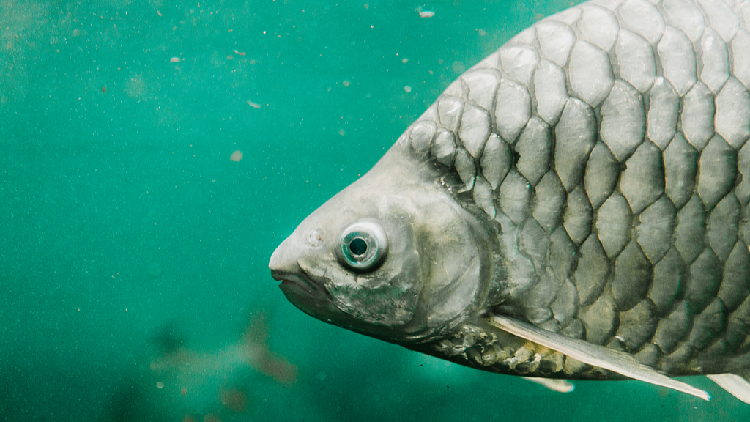
China Unveils Innovative Bone-Free Fish for Dinner Tables
Chinese scientists have created a bone-free Gibel carp, "Zhongke No. 6," enhancing aquaculture sustainability and culinary enjoyment.

Angola Aims to Raise 1.7 Billion in Global Markets Amid Debt Pressure
Angola aims to raise $1.7 billion by 2026 to address rising debt costs and sluggish growth, focusing on commercial financing and reforms.