

Bangladesh Reports Nipah Virus Death in Rajshahi Division

Bangladesh has reported a death from the Nipah virus in the Naogaon District of the Rajshahi Division, according to the World Health Organization.
The patient was admitted to the hospital on January 28 and died later that same day. NiV was confirmed through laboratory testing on January 29, and the death was officially reported on February 3.
Health authorities have identified and monitored 35 contacts of the deceased, all of whom have tested negative for the virus. No additional cases have been reported so far.
The patient did not have a recent travel history, but she had consumed raw date palm sap – a known risk factor for NiV transmission. Nipah virus outbreaks are frequently linked to the harvesting and consumption of raw date palm sap, particularly between December and April.
The Ministry of Health and Family Welfare of Bangladesh has initiated public health measures to manage the situation. This includes monitoring and contact tracing, as well as community education to raise awareness about the virus.
The WHO assesses the overall public health risk as low at the national, regional, and global levels. Nipah virus, a zoonotic pathogen, can be transmitted to humans from fruit bats and other animals.
The virus is characterized by a high mortality rate, with early supportive care significantly improving survival rates. It is critical for individuals to seek medical attention if they experience symptoms after contact with potential carriers.
Previous Nipah virus cases have been reported in Bangladesh, India, Malaysia, the Philippines, and Singapore, creating a need for ongoing public health surveillance and regional cooperation in managing the disease.
Read These Next

Live The Hype Real Stories of Receiving Healthcare Abroad
'The Hype' roundtable explores evolving global travel and healthcare, focusing on traveler comfort and care through shared experiences.

China's Green Factory Initiative Aims to Decarbonize Manufacturing
China leads in green manufacturing transformation, prioritizing low-carbon systems in its 14th Five-Year Plan to cut emissions.
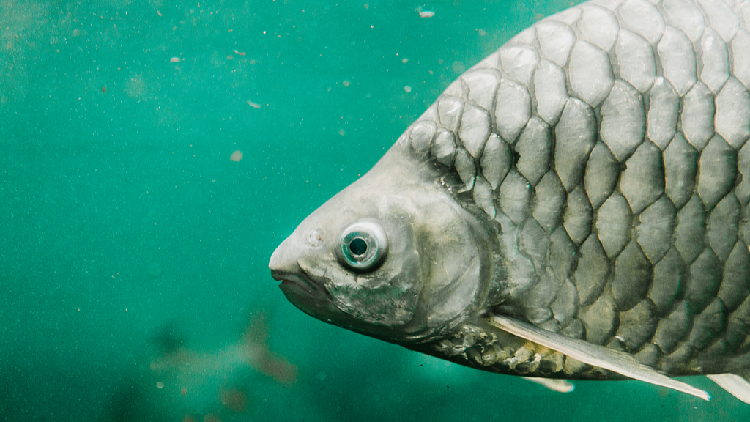
China Unveils Innovative Bone-Free Fish for Dinner Tables
Chinese scientists have created a bone-free Gibel carp, "Zhongke No. 6," enhancing aquaculture sustainability and culinary enjoyment.