

China's Healthcare Future What to Expect in Next Five Years
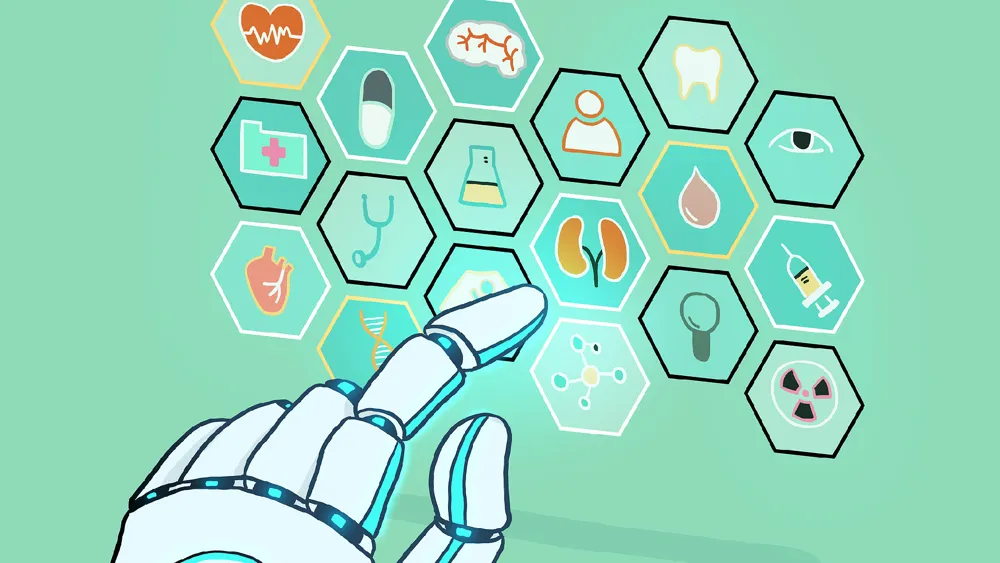
China's healthcare system is on the brink of a significant transformation, emphasizing the integration of technology and artificial intelligence (AI) to enhance elderly care and prevent diseases. This initiative aligns with the nation's objective to improve health outcomes and increase the quality of life for its citizens.
In Shenzhen, the implementation of AI technology is already evident in operating rooms where surgical robots are meticulously performing complex procedures. These advancements reflect not only the current capabilities of healthcare in China but also a promising future that hinges on technological innovation.
Deng Wangdong, the director of urology at Longgang District Central Hospital, highlights the advantages of robotic surgery. He notes that the robot employs advanced endoscopic technology, magnifying the surgeon's view tenfold and offering high-definition 3D images. This level of precision enables operations in confined spaces, thereby boosting efficiency by more than three times.
The influence of AI extends beyond the realm of surgery. At this hospital, patients utilize their smartphones for intelligent triage, interacting with a chatbot that efficiently directs them to the relevant department based on their described symptoms.
Traditional Chinese medicine is also witnessing a technological renaissance with AI-powered moxibustion robots. These robots are capable of accurately identifying acupoints and simulating traditional techniques with precise temperature control, thereby enhancing treatment efficacy.
Li Shenqing, director of the Baowen Community Health Center, underscores the role of AI in addressing healthcare resource limitations, noting that their center caters to 48,000 residents. The introduction of AI robots is seen as a crucial step towards improving service quality and efficiency.
Currently, over 450 AI applications are in action across various diagnostic and treatment scenarios, particularly in Shenzhen, reflecting a broader trend in the national healthcare framework.
The swift advancement of AI in healthcare is underpinned by a national strategy. China's National Health Commission (NHC), alongside other regulatory bodies, has outlined plans to enhance AI technologies within the health sector, as per a recent document released.
By 2027, the initiative aims to establish comprehensive health datasets and develop specialized clinical AI models tailored for specific diseases and healthcare departments. The goal is to achieve extensive implementation of AI-assisted diagnostics across primary care and patient services.
With projections indicating that by 2030, AI-driven diagnostics will be nearly universal, hospitals, especially at the secondary level and above, are expected to incorporate intelligent medical imaging systems and clinical decision support frameworks.
These efforts represent a pivotal shift towards a healthcare service model that fully integrates AI throughout the continuum of care—from prevention and diagnosis to treatment and rehabilitation.
The advancements in technology are supported by a strategic national health initiative aiming to improve the average life expectancy, which is projected to reach around 80 years by 2030. With an aging population comprising 22% of the demographic by 2024, significant emphasis will be placed on optimizing elderly care through enhanced services and long-term care insurance.
Read These Next

Shenzhou-21 Astronauts Install Debris Shields in First Spacewalk
Shenzhou-21 crew completed their first spacewalk on Dec 9, 2025, with tasks including space debris protection and inspections.
China to Begin Mice Experiments on Space Station Soon
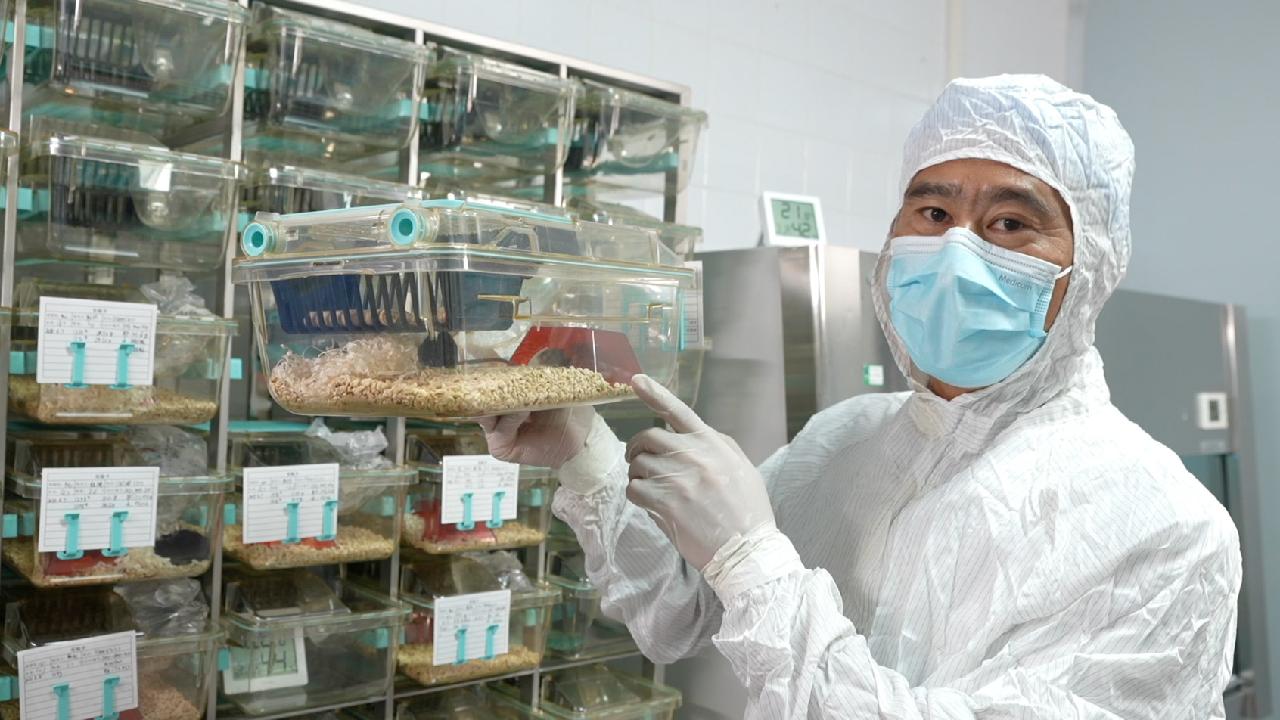
Shenzhou-21 will conduct space experiments on four mice to study microgravity effects, marking a first in rodent research in space.
China launches internet satellites with Long March-12 rocket
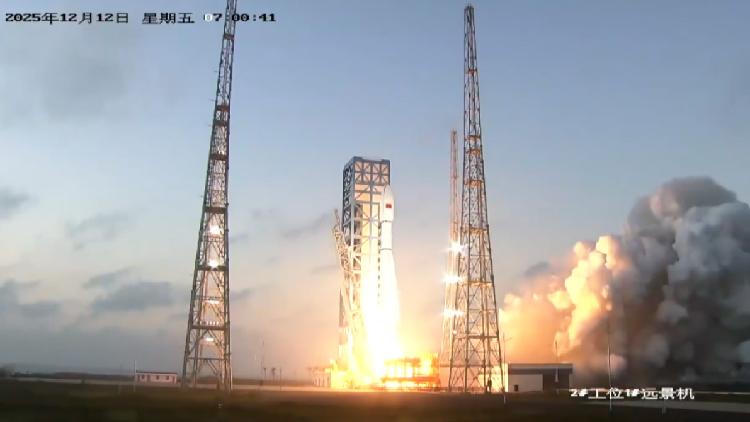
China launched its 16th batch of LEO internet satellites using the Long March-12 rocket, enhancing its space-based internet network.