

China launches internet satellites with Long March-12 rocket
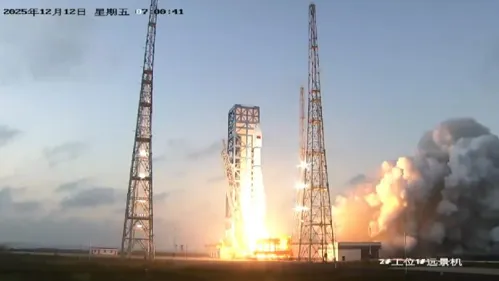
China successfully launched its 16th batch of low-Earth orbit (LEO) internet satellites on Friday from its commercial launch site in southern Hainan Province. The mission lifted off at 7 a.m. Beijing Time, corresponding to 2300 GMT, marking another milestone in the nation's expanding space-based internet network.
This launch underscores China's significant efforts to accelerate the expansion of its satellite internet capabilities, aimed at providing widespread connectivity.
The Long March-12 rocket, developed by the Shanghai Academy of Spaceflight Technology, is specifically designed to serve as a reliable workhorse for commercial missions, addressing the increasing demand in the satellite internet market.
With its capacity to deliver a payload of at least 12 tons into Low Earth Orbit, the Long March-12 plays a crucial role in supporting China's ambitious satellite deployment plans.
An innovative feature of the Long March-12 is its specialized system which allows for horizontal assembly, testing, and transportation. This method significantly reduces the time required between launches, enabling the rocket team to meet the high frequency of missions necessary for the satellite constellation.
The successful flight represents the fourth mission of the Long March-12 and the 616th overall for the Long March series, reflecting the operational expertise within China's space program.
For this mission, the rocket team optimized operations, resulting in a more efficient and lighter vehicle, further enhancing the reliability of future launches.
Looking ahead, the Long March-12 is poised to conduct numerous LEO launches within the next five years as China aims to solidify its presence in the global satellite internet landscape.
(Cover image via China Media Group)
Read These Next
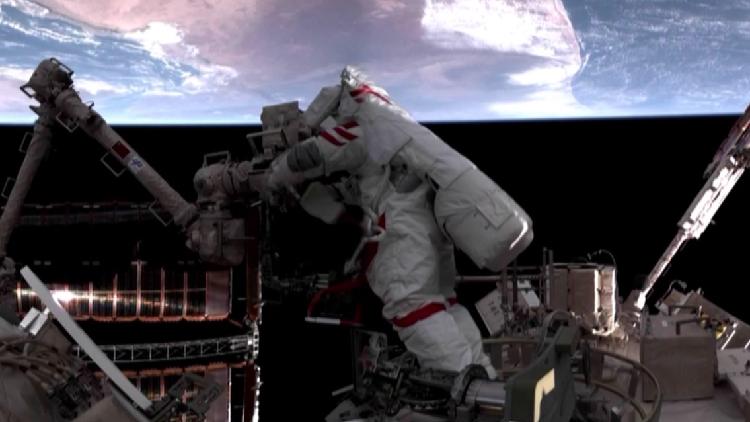
Shenzhou-21 Astronauts Install Debris Shields in First Spacewalk
Shenzhou-21 crew completed their first spacewalk on Dec 9, 2025, with tasks including space debris protection and inspections.
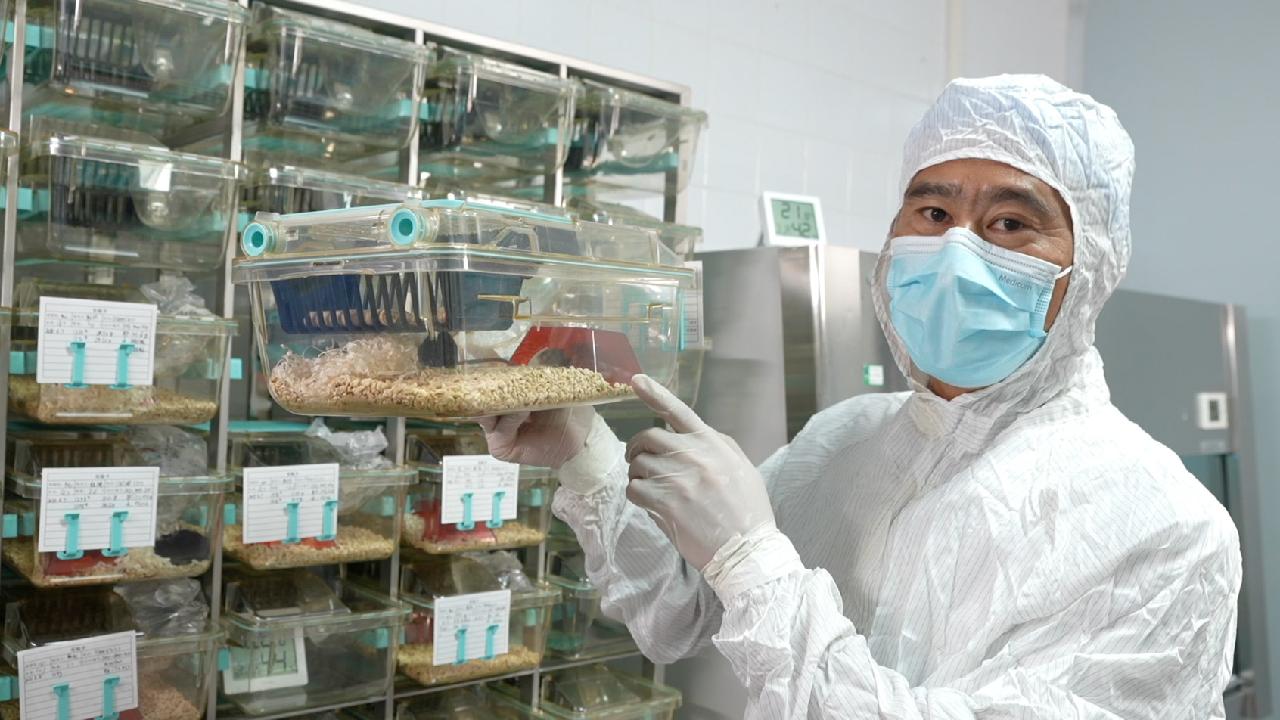
China to Begin Mice Experiments on Space Station Soon
Shenzhou-21 will conduct space experiments on four mice to study microgravity effects, marking a first in rodent research in space.

China's Healthcare Future What to Expect in Next Five Years
China's healthcare system advances with AI, focusing on elderly care and disease prevention for better health outcomes.