

US Iran Tensions Rooted in Geopolitics Not Religion
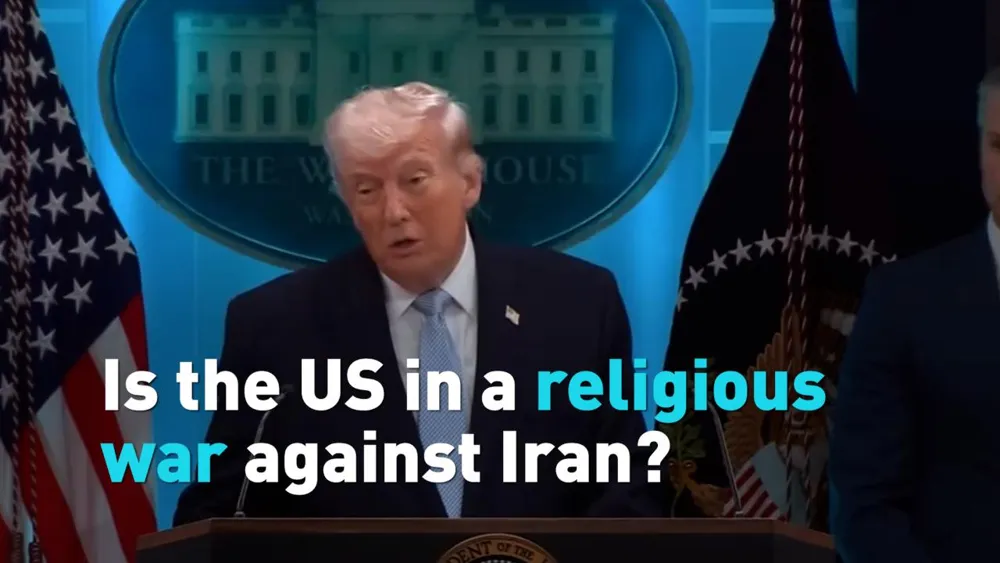
Amid the ongoing updates from U.S. military officials regarding the conflict with Iran, a notable emphasis on religious rhetoric is emerging. Secretary of Defense Pete Hegseth, known for his conservative Christian beliefs, has repeatedly referenced God in the context of the military operations, suggesting that divine support is a blessing for the U.S. mission.
This invocation of religious sentiment is raising concerns among experts who warn that such rhetoric could transform a complex geopolitical issue into a more volatile situation. By framing military actions in biblical terms, the United States risks inflaming tensions further, potentially leading to an escalation that goes beyond conventional warfare.
The implications of using religious language in political discourse are profound, especially in a context as sensitive as the Middle East. Observers have noted that when leaders equate their military objectives with divine will, they create a moral justification that can rally domestic support but complicate peace efforts.
Reports indicate that as the military campaign continues, the focus on religion could sway public opinion and influence the political landscape within both the U.S. and Iran. The danger lies not only in domestic mobilization but also in the potential for misinterpretation of intentions among international actors.
Toni Waterman, reporting from Washington, highlights the concerns that numerous strategists and diplomats have regarding the escalating use of spiritual language in this crisis. This trend raises the stakes and may provoke reactions that could further destabilize the already precarious situation.
As the conflict unfolds, it becomes crucial to dissect narratives that blend international politics with religious fervor. This blend poses a challenge to understanding the underlying geopolitical motivations driving the conflict, which are often rooted in national interests rather than theological differences.
In light of this complicated dynamic, it is essential for global observers to critically evaluate the role of religion in international conflicts. Access to unbiased reports and analysis, such as those provided through CGTN Now, can help illuminate these complex issues and foster better understanding among international audiences.
The continuation of this pattern of rhetoric suggests that U.S.-Iran relations are not merely shaped by traditional political maneuvering. The intertwining of faith-based language complicates the already intricate web of international diplomacy, warning that the path forward must be navigated with care.
Read These Next
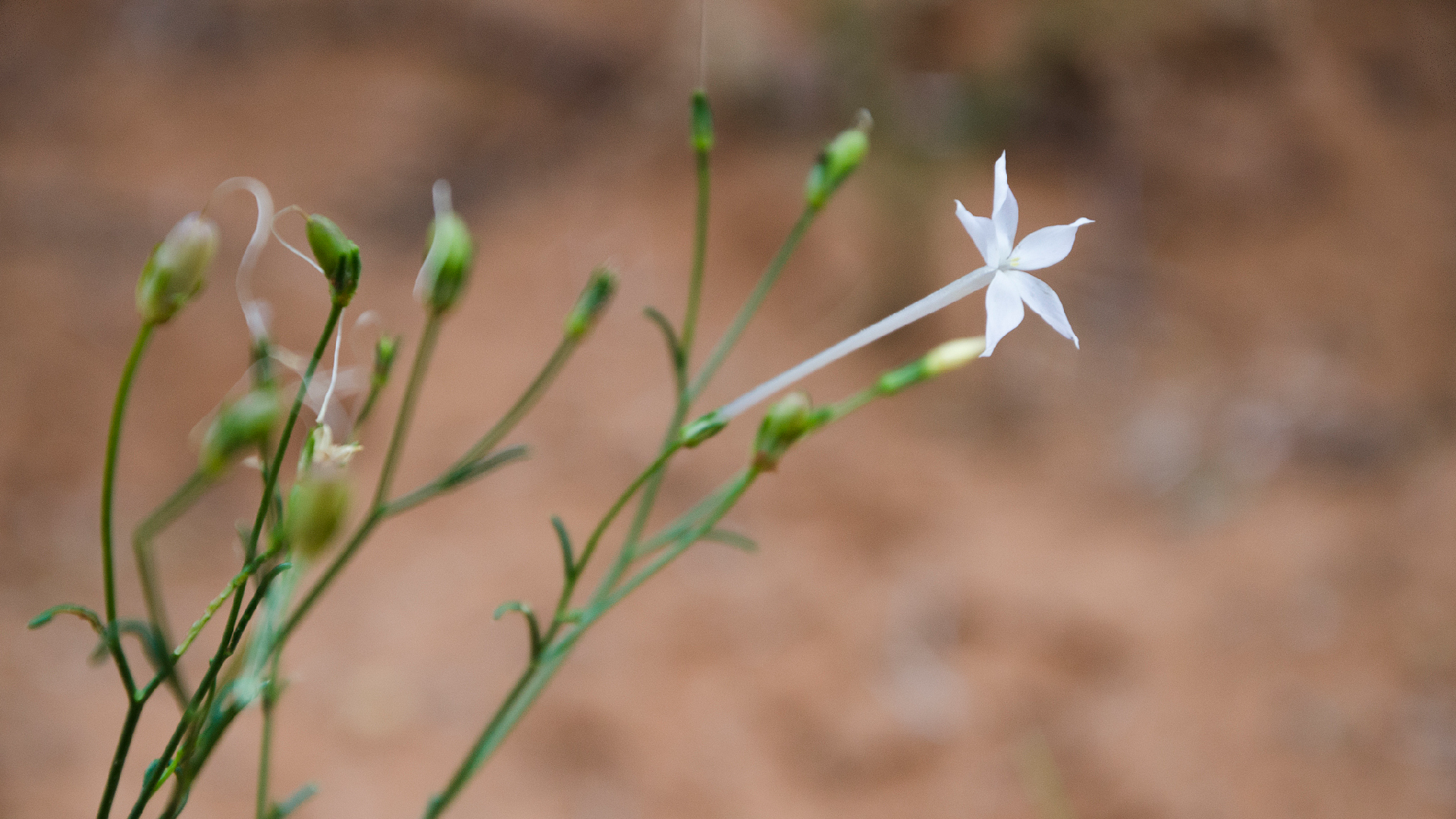
Chinese Researchers Discover How Plants Generate Nicotine
Chinese researchers reveal the complete nicotine biosynthesis pathway in tobacco, shedding light on its production mechanisms.
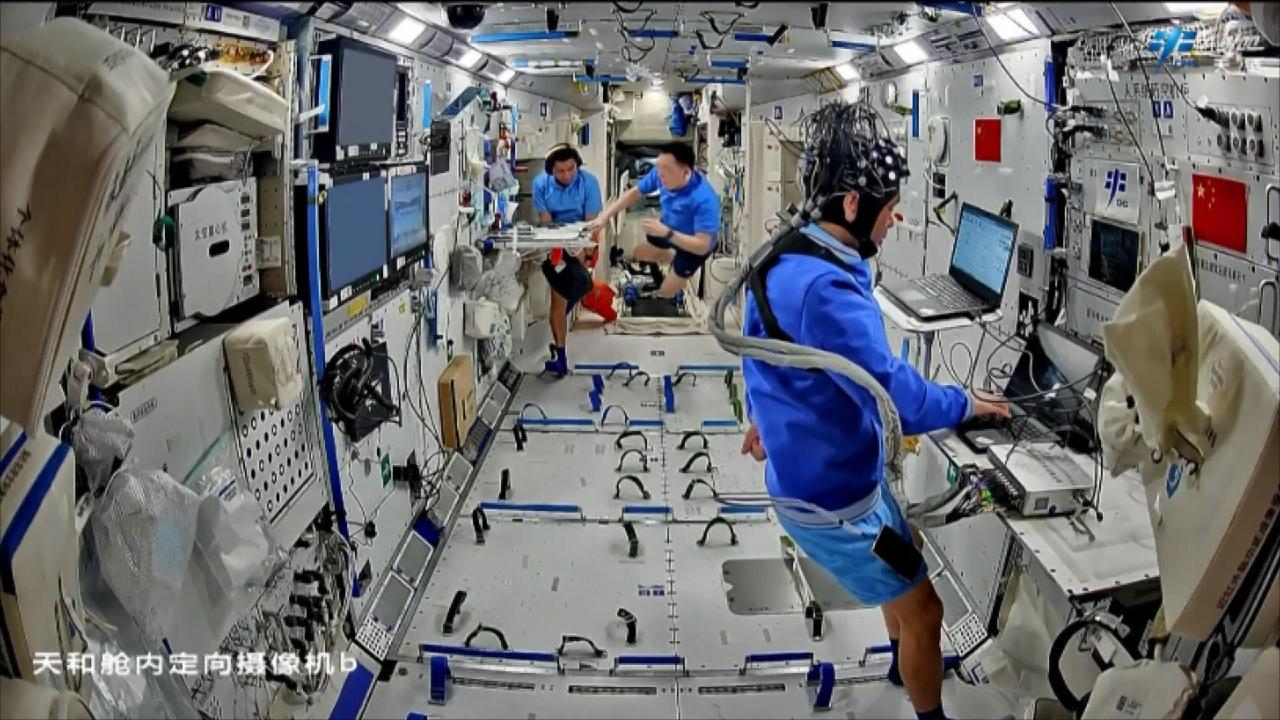
Shenzhou-21 Crew Progresses Space Experiments During Mission
Shenzhou-21 crew marks five months at China Space Station, focusing on space medicine, microgravity physics, and health assessments.
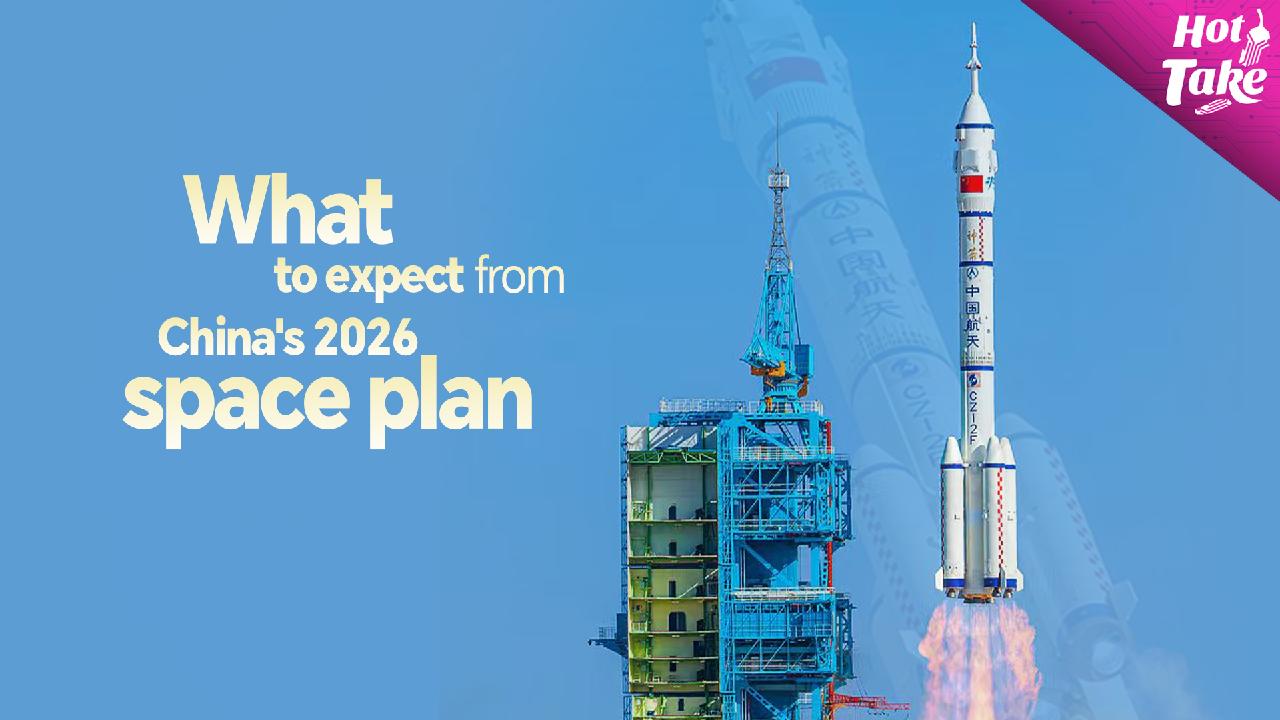
China's 2026 Space Plan Key Expectations and Developments
China plans two crewed missions and one cargo mission in 2026 to enhance its space station and long-term research, including astronauts from Hong Kong and Macao.