

Technology Driving a New Era for Healthy China
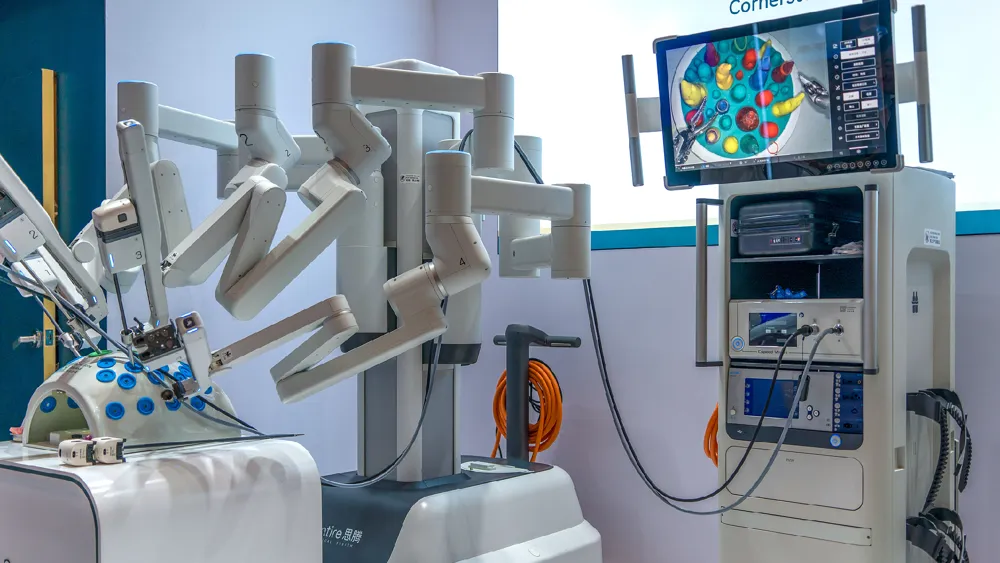
Zhejiang Province in China is leading the way in utilizing technology to foster a "Healthy China" by 2035, with a particular emphasis on healthcare innovation. This initiative aims to improve various healthcare services, notably early diagnosis and elderly care.
China's healthcare landscape has seen substantial gains over recent years. During the 14th Five-Year Plan, life expectancy rose to 79 years, while basic medical insurance coverage eclipsed 95 percent. The establishment of a tiered healthcare system is extending the reach of services from preventive measures to rehabilitation and long-term care.
In response to a growing health consciousness among the public, there is increasing demand for enhanced medical care and health management. This uptick is driving rapid growth in China's healthcare sector, significantly influenced by advancements in technologies such as artificial intelligence and smart healthcare applications.
In Zhejiang Province, remarkable advances in medical diagnostics are illustrated through the cases of two patients, Mr. Fang and Mr. Qiu, who experienced life-saving early diagnoses of pancreatic cancer thanks to AI technology. Initially, both underwent scans that did not indicate abnormalities; however, an AI-powered system later identified their conditions as highly suspicious, leading to timely and successful interventions.
The AI tool responsible for these critical diagnoses is known as PANDA, or Pancreatic Cancer Detection with Artificial Intelligence. Developed by Alibaba's researchers, PANDA has been implemented in over 1,000 medical institutions, offering early cancer screening to more than 20 million people globally since its launch in 2021.
According to Zhang Ling, the head of the multi-cancer screening AI team, PANDA is capable of detecting minute cancerous lesions and assessing risks for multiple cancers within a brief time frame. The AI's ability to analyze extensive multimodal data has been key to enhancing its performance and ensuring that its benefits extend far beyond just a select few individuals.
Technology's impact is also evident in the realm of eldercare. With the population aged 60 and above exceeding 300 million, demand for innovative eldercare solutions is on the rise. This scenario has paved the way for the development of robotic assistance in elderly care, blending technology with human support.
The evolution of robot-assisted elderly care in Hangzhou, which began as early as 2016, has progressed significantly. The introduction of more sophisticated systems, such as the AI-powered "Xiao Xi" and robots in Chongqing, showcases how technology is not only providing physical assistance but also addressing emotional needs through advanced recognition capabilities.
Despite these advancements, challenges remain in terms of high costs, limited capabilities, and market access for caregiving robots. Nevertheless, China is actively pursuing policies that support the healthy growth of the eldercare robotics industry.
As the nation moves toward the 15th Five-Year Plan (2026-2030), the integration of technology in the healthcare sector is poised to play a significant role in achieving the "Healthy China" vision. The persistent demand for high-quality health services will likely redefine healthcare delivery and the concept of a healthy society.
Read These Next

Chinese Researchers Discover How Plants Generate Nicotine
Chinese researchers reveal the complete nicotine biosynthesis pathway in tobacco, shedding light on its production mechanisms.
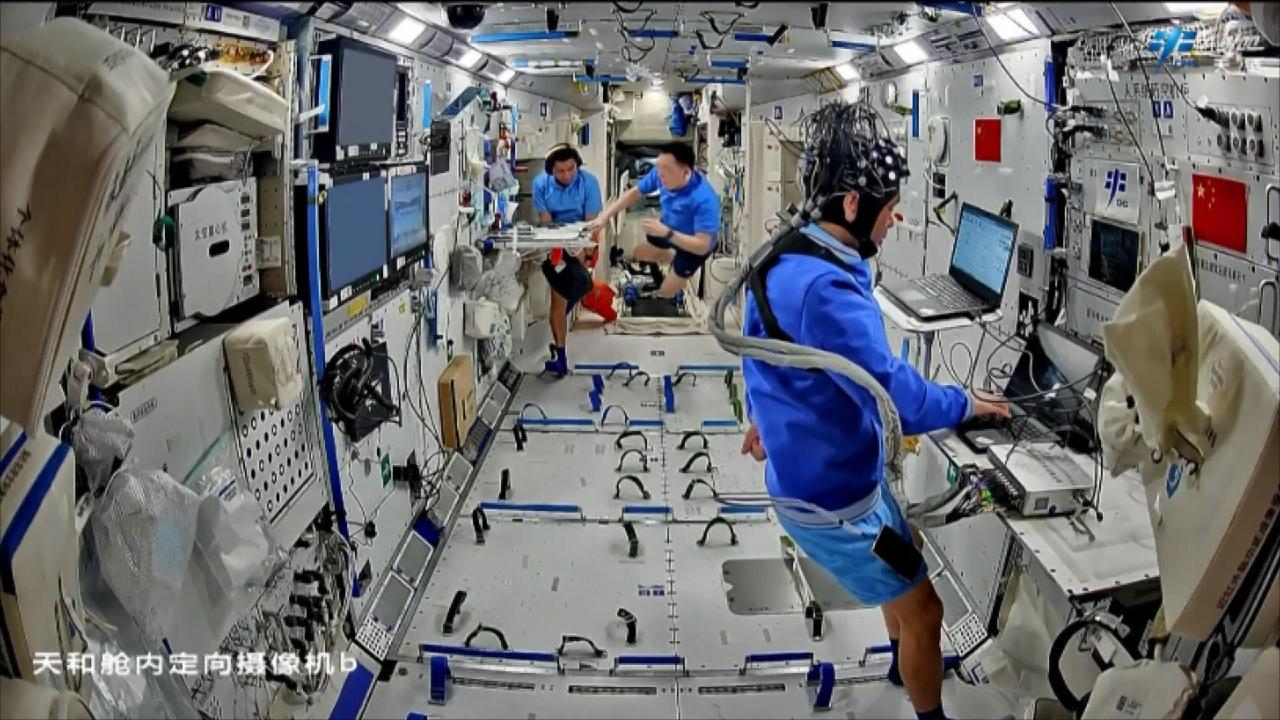
Shenzhou-21 Crew Progresses Space Experiments During Mission
Shenzhou-21 crew marks five months at China Space Station, focusing on space medicine, microgravity physics, and health assessments.

China's 2026 Space Plan Key Expectations and Developments
China plans two crewed missions and one cargo mission in 2026 to enhance its space station and long-term research, including astronauts from Hong Kong and Macao.