

New Hope for Advanced Liver Cancer with Combination Therapy
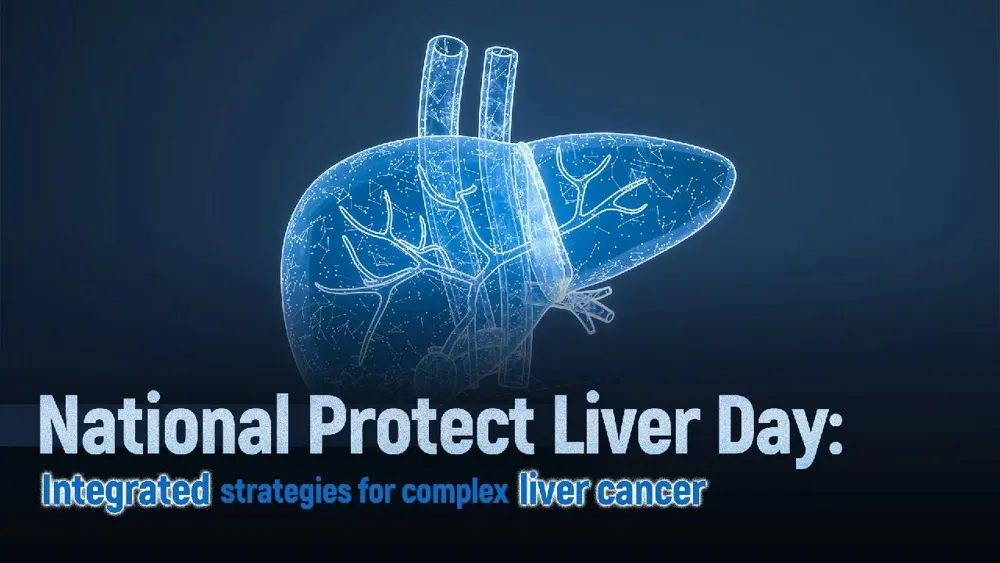
Liver cancer is a pressing issue globally, and particularly in China, where it accounts for nearly half of all new cases and deaths each year. The majority of patients are diagnosed at intermediate to advanced stages of the disease, with less than 25% qualifying for surgical interventions. This alarming statistic highlights the urgent need for innovative treatment strategies.
The situation is further complicated by regional variations in liver cancer causes. In Western countries, liver cancer is often associated with alcoholic cirrhosis, whereas in China, the primary drivers are viral hepatitis infections. This distinction underscores the necessity for tailored treatment approaches that address the unique factors influencing patient outcomes in different regions.
Professor Xiang Hua, the president of Hunan Cancer Hospital, emphasizes the need for standardized and precise treatment strategies. Historically, clinical evidence relied upon has often been derived from international studies that do not fully consider the specific attributes of Chinese patients. This calls for a shift towards localized research and treatment methodologies.
To address this gap, a multi-center collaborative initiative led by Professor Teng Gaojun has emerged. As an academician of the Chinese Academy of Sciences and director of the Department of Medicine and Life Sciences at Southeast University, he has spearheaded the development of an integrated treatment strategy for intermediate and advanced liver cancer. This approach combines interventional therapy with cutting-edge technologies.
The China Liver Cancer Clinical Research Alliance (CHANCE), established in 2021, is the backbone of this initiative. By linking 156 leading hospitals, CHANCE has created the world's most extensive database for interventional liver cancer care, monitoring over 10,000 patients to derive data-driven insights.
Recent findings published in the Journal of Clinical Oncology show that the combination of Transarterial Chemoembolization (TACE) with targeted therapy and immunotherapy substantially mitigates the risk of disease progression. This comprehensive treatment approach has gained traction in national diagnostic guidelines, particularly for complex cases.
For instance, one notable case involved a 68-year-old patient with a large tumor and multiple metastases who responded remarkably well to this combined treatment regimen. Not only was he able to achieve disease control, but he has also enjoyed a high quality of life for eight years while living with cancer.
The research team is also pioneering advancements beyond traditional pharmacological methods. They have implemented a "bench-to-bedside" model that integrates medical engineering into clinical practice, leading to the creation of innovative tools such as the iodine-125 radioactive stent system and Yttrium-90 carbon microspheres, which have shown impressive tumor remission rates.
In order to broaden the reach of these significant advancements, the International Society of Multidisciplinary Interventional Oncology (ISMIO) is working to transform the CHANCE cohort into an international research platform. This will involve multi-center studies with experts from the United States and Singapore, aiming to disseminate the valuable clinical insights gained to the global medical community.
China is now also focused on standardizing these innovative treatments across 500 hospitals nationwide. This initiative is crucial for ensuring equitable access to high-quality care for patients in remote areas, helping to close the gap in cancer survival rates between urban and rural populations.
Overall, the strides being made in liver cancer treatment through collaboration, advanced technology, and comprehensive research hold promise for improving patient outcomes and transforming the landscape of cancer care in China and beyond.
Read These Next
Chinese Vice Premier Urges Enhanced Cooperation with WIPO
China's Vice Premier Ding Xuexiang calls for stronger ties with WIPO to enhance global intellectual property and innovation.

China's AI Ambition Reflected in OpenClaw Frenzy
This article explores the rise of OpenClaw, China's AI assistant, which symbolizes a national push for artificial intelligence innovation and automation.

China US medical synergy surpasses biological clock trends
China and the US unite in cancer research, with key partnerships aiming to enhance health via innovative technologies.