

China's Revised Nature Reserve Rules Enhance Human Nature Balance
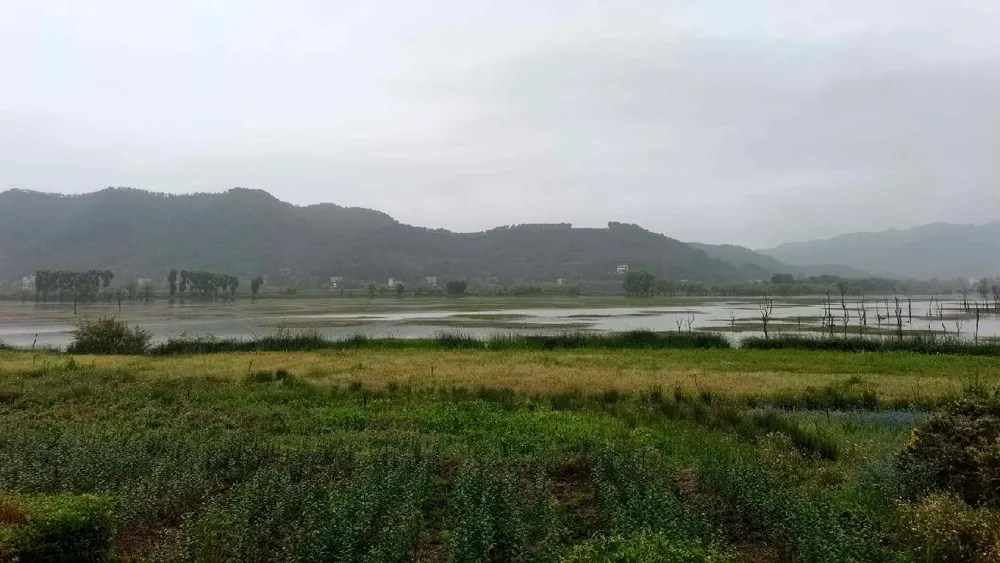
The revised Nature Reserve Regulations in China are set to take effect on March 15, following the landmark adoption of the country's first comprehensive Ecological and Environmental Code by the 14th National People's Congress. The regulations introduce a new two-zone system aimed at aligning ecological protection with the livelihoods of local residents, representing a shift from a rigid governance model to a more nuanced and scientific approach.
A key focus of the revision is the optimization and enhancement of zoning control measures for nature reserves. The original regulations did not address practical needs adequately, leading to conflicts and challenges during implementation, particularly in areas where human activities such as towns, villages, and agriculture coexist with conservation efforts.
Preliminary statistics reveal that national nature reserves are home to around 4 million people, including about 400,000 residing in core zones. Moreover, these reserves encompass approximately 800,000 hectares of permanent farmland and about 210,000 hectares of commercial plantations, underscoring the complexities of balancing ecological goals with local economies.
The former regulations employed a rigid "one-size-fits-all" management approach that lacked clarity in balancing conservation goals with community needs. This has resulted in inconsistent enforcement and implementation of the rules, complicating the relationship between conservation practices and local livelihoods.
In an effort to reconcile high-quality development with enhanced conservation efforts, the revised regulations align with the National Park Law, moving from a three-zone system to a two-zone framework consisting of core conservation areas and general control zones. This simplification aims to improve public understanding of conservation regulations.
Human activities are largely prohibited in core conservation areas, with strict limitations in general control zones, although specific permitted activities include necessary subsistence practices for residents and essential conservation efforts. Such revisions offer a more tailored approach to zoning control in nature reserves.
The newly revised regulations also introduce differentiated control measures, reflecting a significant transition from a rigid governance model to a more flexible and scientifically informed system. This flexibility is particularly emphasized in Article 28, which allows for context-specific regulations based on scientific reasoning to preserve ecological integrity.
For example, in nature reserves focused on natural heritage, there is greater allowance for constructing essential facilities and conducting public services including ecotourism and educational programs, enhancing community engagement in conservation without sacrificing ecological value.
In regions like the Yunnan Huize Black-necked Crane National Nature Reserve, seasonal differentiated measures are permitted to align conservation efforts with local agricultural practices. During the crane's wintering period, strict protections are maintained in core areas, while seasonal flexibility allows for local agricultural activities during other times, fostering a symbiotic relationship between humans and wildlife.
This comprehensive set of revisions not only adheres to the spirit of the National Parks Law but also constructs a more responsive management framework for China's natural reserves, focusing on ecological protection, sustainable livelihoods, and fostering a balance between conservation and community development.
Read These Next

Kaley's Lawsuit Questions Instagram's Addictiveness
This article explores the implications of a landmark lawsuit against Meta concerning the potential addictive nature of social media and its impact on mental health for young users, using Kaley's experience as a focal point.
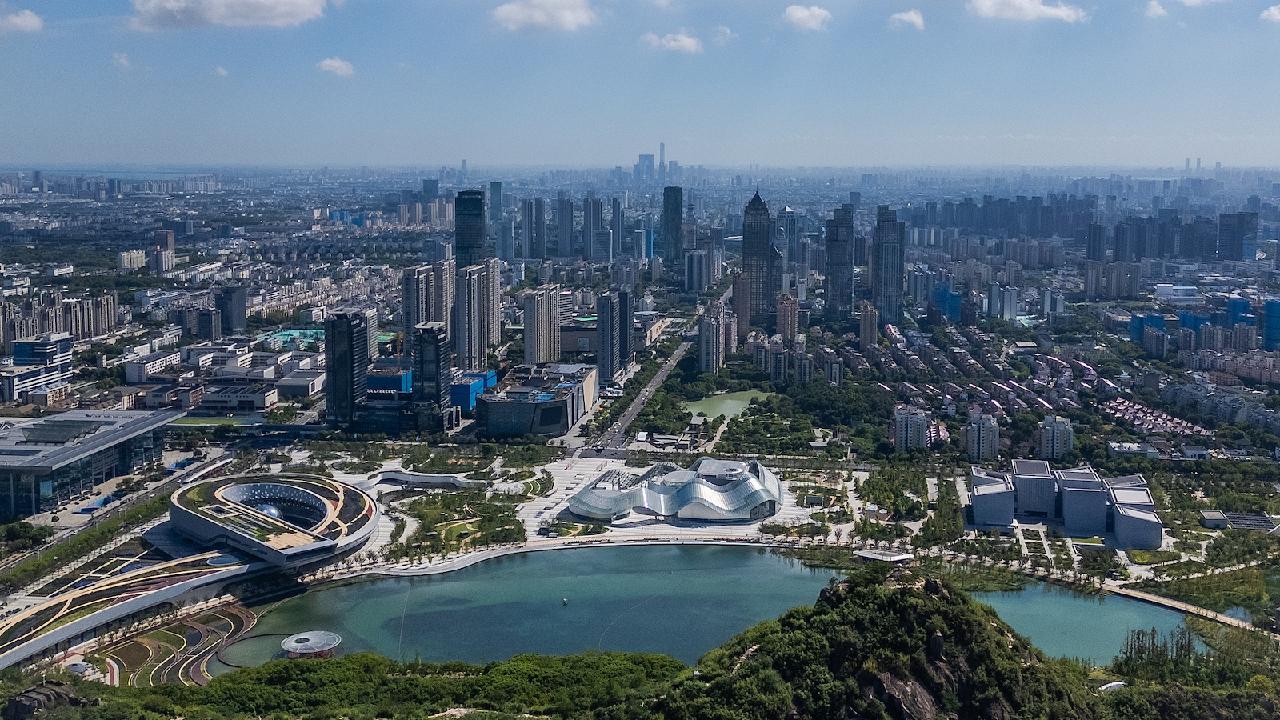
China's Major Science Facilities Enter New Development Phase
China's Two Sessions discuss advancing science and tech, focusing on major initiatives and upgrades for international collaboration.
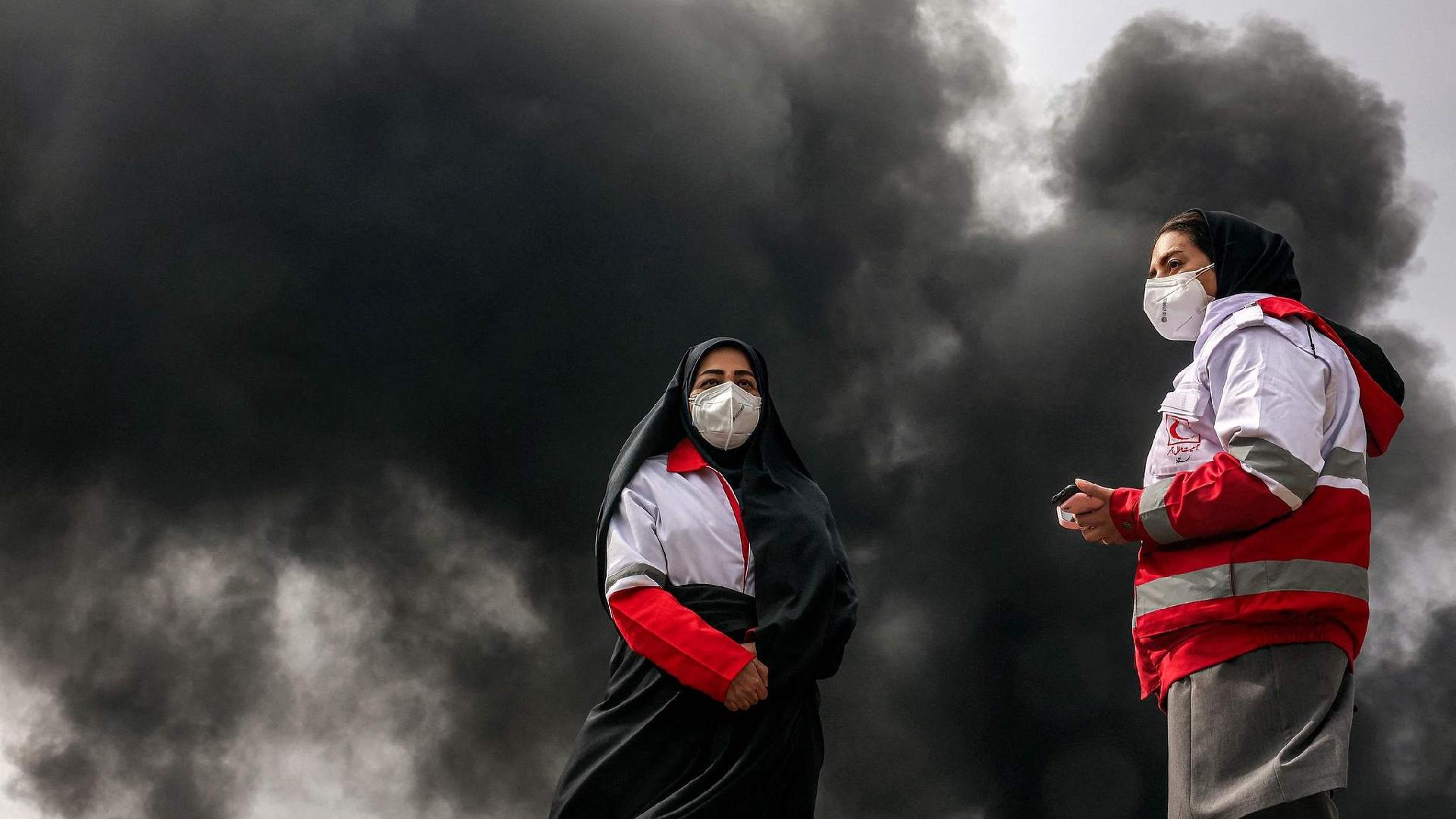
Black Rain in Tehran: How War Affects the Sky
Tehran's skies turned black after airstrikes on oil facilities, causing toxic smoke and black rain that threaten health and water supply.