

Black Rain in Tehran: How War Affects the Sky
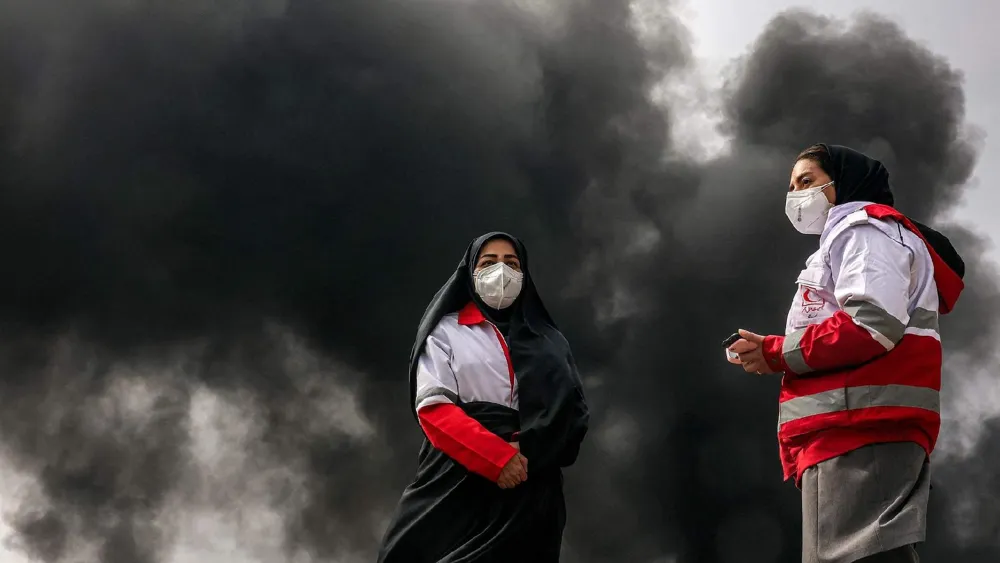
Tehran's skies darkened dramatically following recent airstrikes targeting oil facilities, leading to widespread reports of toxic smoke and unprecedented black rain. The impacts of these strikes have raised significant concerns regarding both public health and environmental safety.
On Sunday morning, residents awoke to an unusual scene as dense black smoke from the burning oil depots obscured sunlight, prompting many to turn on lights during daylight hours. The unsettling phenomenon of black rain was soon reported, with individuals sharing their disbelief at witnessing such a rare and alarming event.
The destructive airstrike, carried out by US-Israeli forces, set ablaze multiple oil facilities, generating fires that lasted for hours and releasing harmful pollutants into the atmosphere. These pollutants, when combined with moisture, produced acid rain with potentially dangerous effects.
Warnings from Iran's Red Crescent emerged shortly after, indicating that the acidity of the falling rain could have reached a pH level as low as 4.0, categorizing it as highly acidic and posing threats of chemical burns and severe respiratory issues.
As residents experienced immediate health impacts, reports began to surface of severe respiratory problems, burning eyes, and headaches. The smoke contained microscopic particles that can infiltrate the bloodstream and are associated with serious health risks, including cancer and cardiovascular diseases.
The environmental implications are equally concerning. Acid rain, particularly when its pH drops to critical levels, threatens aquatic ecosystems and can decimate fish populations. With Tehran already facing a significant water crisis, this new pollutant could worsen the situation severely.
The prospect of black rain becoming a regular occurrence in Tehran paints a grim picture. The high population density and the ongoing conflict turn what might previously have been considered collateral damage into a direct assault on civilian health and safety.
Historically, instances of environmental devastation have been recorded in conflict zones. For example, during the Gulf War in 1991, Iraqi forces ignited oil wells, generating heavy smoke. While predictions of global climatic impacts were unfounded, the circumstances then were markedly different from the current situation in Tehran.
Today, Tehran's urban landscape is being subjected to military actions within a megacity context. Unlike the fires set during Iraq’s retreat from Kuwait, the current attacks on Tehran's oil depots occur amidst active conflict and demonstrate a troubling lack of resolution.
As military operations persist, Tehran's citizens face chronic exposure to hazardous conditions. The implications of this conflict extend beyond mere infrastructural damage; it intrudes upon the very air they breathe, creating an ongoing public health crisis.
Read These Next
China's Revised Nature Reserve Rules Enhance Human Nature Balance
New Nature Reserve Regulations, effective March 15, implement a two-zone system, balancing ecology with local livelihoods.

Kaley's Lawsuit Questions Instagram's Addictiveness
This article explores the implications of a landmark lawsuit against Meta concerning the potential addictive nature of social media and its impact on mental health for young users, using Kaley's experience as a focal point.
China's Major Science Facilities Enter New Development Phase
China's Two Sessions discuss advancing science and tech, focusing on major initiatives and upgrades for international collaboration.