

Understanding HPV and Its Role in Cervical Cancer Prevention
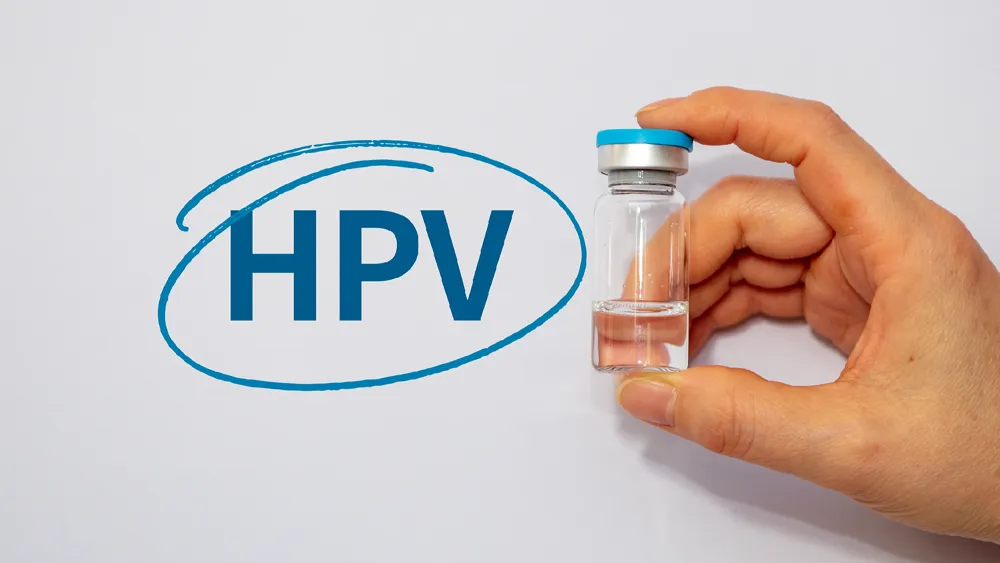
International HPV Awareness Day, observed annually on March 4, serves as a platform to raise awareness about the risks associated with human papillomavirus (HPV) and the significance of vaccination in preventing related health issues, including cervical cancer. This initiative emphasizes the urgent need for diagnosis, treatment, and preventive measures globally.
Human Papillomavirus encompasses a group of over 200 related viruses, some of which can lead to serious health problems, including warts and different types of cancer. Understanding the various aspects of HPV can bolster health awareness. Transmission primarily occurs through intimate skin-to-skin contact during sexual activities, which can happen even in the absence of visible symptoms.
HPV is classified into low-risk and high-risk types. Low-risk types may cause benign tumors or skin warts, while high-risk variants are linked to cancers such as cervical and throat cancers. Most HPV infections are asymptomatic and typically resolve without interference, but certain strains can develop into more severe conditions such as genital warts or precancerous cellular changes.
Screening tests including Pap smears are essential for detecting cervical cell changes caused by HPV. The HPV test can also identify high-risk types. Regular screenings are vital, especially for women aged 21 and older since HPV is the leading cause of cervical cancer, accounting for approximately 99.7 percent of cases, with types 16 and 18 being the most concerning.
Prevention remains crucial, and vaccines are effective in protecting against the most common high-risk HPV types. While treatments are available for conditions caused by the virus, there is currently no cure for HPV itself. The World Health Organization underscores the importance of vaccination as a key strategy in HPV prevention efforts.
Starting November 10, 2025, China will incorporate the bivalent HPV vaccine into its free immunization program for girls born on or after November 10, 2011, who will be eligible at age 13. This move represents a significant effort to enhance public health and reduce cervical cancer rates.
Importantly, vaccination is not exclusive to females; males are encouraged to receive the vaccine as well. The concept of gender-inclusive prevention is vital in the fight against cervical cancer, with educational initiatives demonstrating that HPV prevention is beneficial for all genders.
Continuing with regular screenings post-vaccination is essential, as the vaccine does not offer comprehensive protection against all high-risk HPV types. Doctors advise that early detection of precancerous lesions and effective management are critical components of successful cervical cancer prevention.
Ultimately, cervical cancer remains the only HPV-related cancer with available screening tests. These tests play an essential role in identifying potential precancerous changes before they progress to invasive cancer, reinforcing the need for ongoing public health initiatives and awareness around HPV.
Read These Next

China's Revised Nature Reserve Rules Enhance Human Nature Balance
New Nature Reserve Regulations, effective March 15, implement a two-zone system, balancing ecology with local livelihoods.

Kaley's Lawsuit Questions Instagram's Addictiveness
This article explores the implications of a landmark lawsuit against Meta concerning the potential addictive nature of social media and its impact on mental health for young users, using Kaley's experience as a focal point.

China's Major Science Facilities Enter New Development Phase
China's Two Sessions discuss advancing science and tech, focusing on major initiatives and upgrades for international collaboration.