

Beijing Parks and Paths Impact Everyday Health and Running
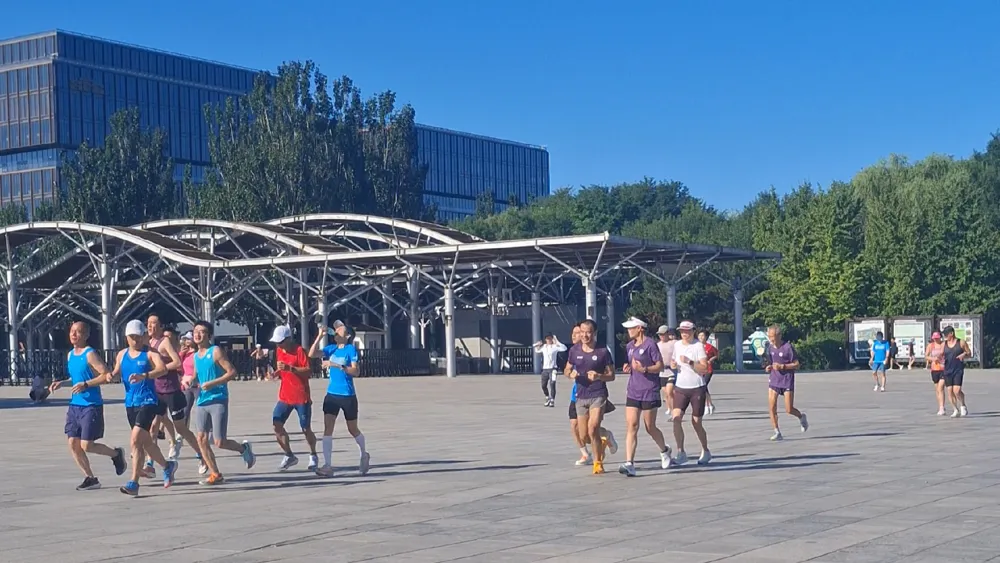
Beijing's parks play a vital role in promoting health and community engagement through running, enhancing fitness levels and social interaction among residents. This aligns with national fitness goals that aim to encourage regular physical activity across all demographics, contributing to the overall well-being of the population.
Early in the morning, Beijing becomes a sanctuary for those seeking calm. Before the rush hour begins, the city is dominated by joggers, walkers, and those engaging in stretching exercises in parks, along rivers, and beneath tree-lined avenues. These spaces illustrate the intersection of urban planning, health, and the daily lives of citizens.
Running in Beijing serves not as a means of escape but as a form of participation. Each route tells a story about the urban environment and how the city is constructed with well-being in mind, increasingly recognized as a collective benefit rather than an individual quest.
Olympic Forest Park stands out as a tremendous venue for experiencing this community aspect of running. Initially established for the 2008 Beijing Olympics, it has evolved into a vibrant public space filled with well-maintained paths. Here, individuals of all ages and backgrounds come together, reflecting the park's broad appeal. Retirees mingle with young professionals and families, all enjoying the open atmosphere.
The design of parks like Olympic Forest Park marks a shift in Beijing's urban planning strategies, emphasizing the integration of green spaces to improve air quality and encourage physical activity. Research indicates that accessibility to green areas correlates with higher daily exercise rates, enhanced cardiovascular health, and reduced stress, affirming the World Health Organization's findings in urban health studies.
Further south, Temple of Heaven Park offers a different running experience. Here, physical activity blends seamlessly with history as runners share the space with tai chi practitioners and calligraphy enthusiasts. This coexistence fosters a slower pace, illustrating the cultural importance of public parks as spaces for recreation, health, and community bonding.
Chaoyang Park, centrally located, also embodies this community-driven health initiative. Surrounded by residential and commercial zones, it bustles with activity from dawn till dusk, featuring joggers before work, families strolling after dinner, and casual running groups. The park acts as an informal fitness hub, interwoven into the daily lives of its users.
Along the Liangma River, there has been significant urban renewal, drawing runners, cyclists, and walkers. Studies highlight that exercising next to water can boost mood and lower perceived exertion, which emphasizes the wisdom behind Beijing's investment in these green-blue corridors that enhance recreational options.
Across all landscapes, the diversity of participants stands out. Running spaces in Beijing are intergenerational and welcoming. Whether running solo or in groups, individuals of all ages engage in activities designed for social connectivity and health. Informal running clubs, often organized via popular messaging platforms, create low-threshold opportunities for residents to come together.
China's running culture has experienced remarkable growth over the last decade. The China Athletics Association reports that over 100 million individuals now run regularly, with the number of annual marathons soaring beyond 1,500 since 2000. This shift underscores a cultural trend that prioritizes health, stress relief, and social interaction over competition.
This trend aligns with the National Fitness Program, which emphasizes the integration of physical activity into everyday life through accessible community resources and infrastructure. Communities engage in health initiatives, highlighting the importance of readily available environments that facilitate exercise.
In recent years, Beijing has expanded its network of pedestrian corridors and greenways, effectively connecting parks and residential neighborhoods. These developments aim to reduce car dependency while promoting physical activity within urban life. The city increasingly cultivates a landscape where movement is part of daily routines rather than confined to designated facilities.
Read These Next
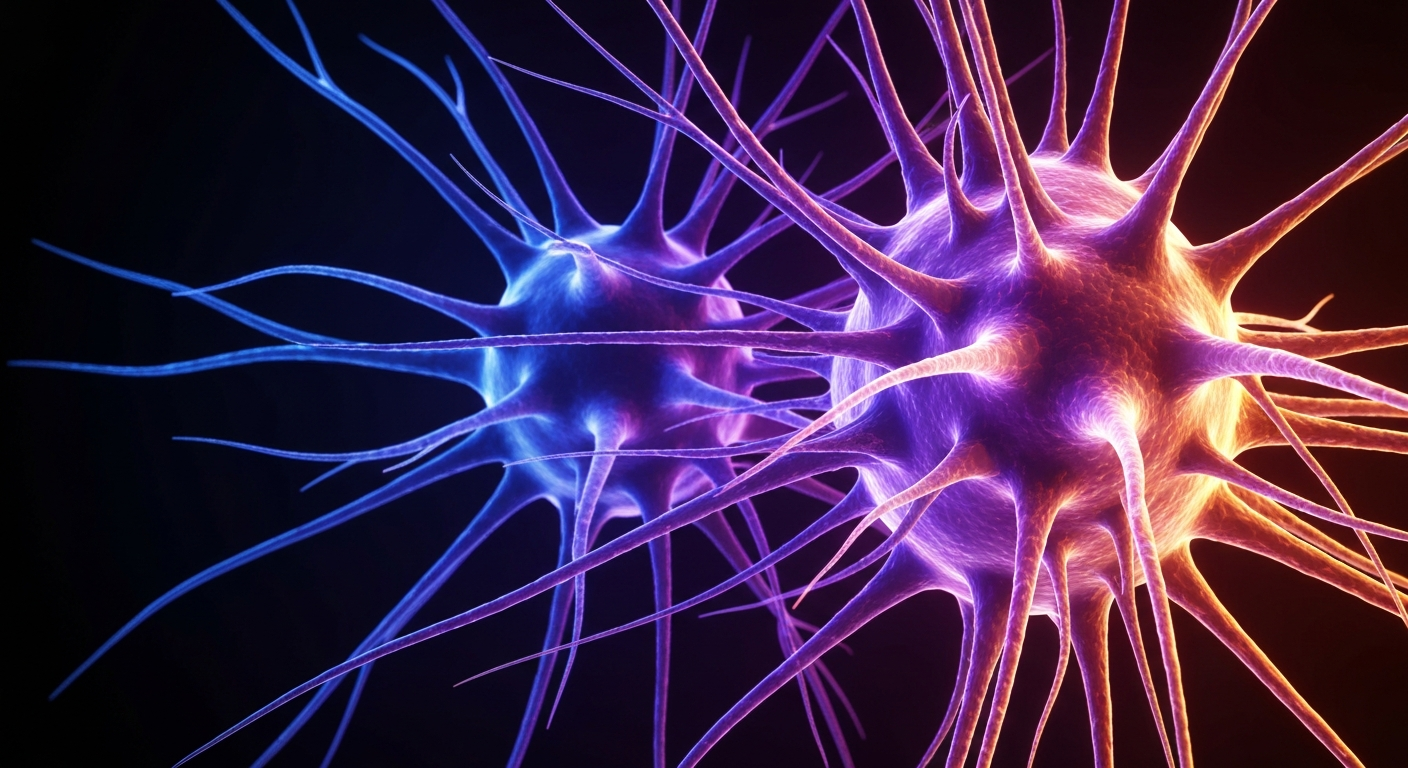
Quantum Computing: Can Europe Win the Tech Race?
An exploration of quantum computing's principles, its potential impacts on various sectors, and Europe, particularly France's, chances to lead in this emerging technology.
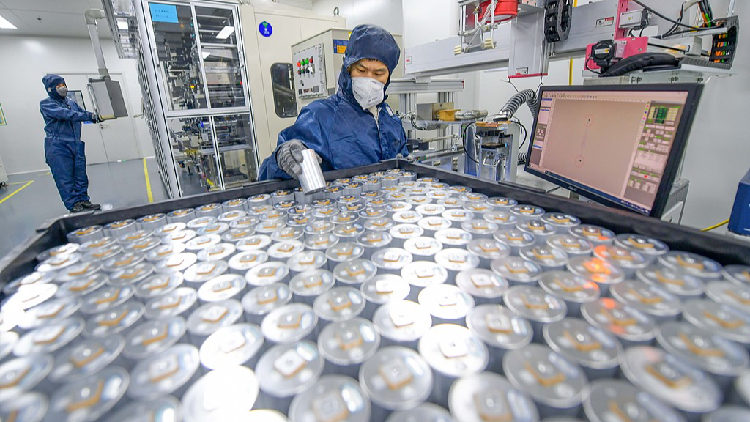
Chinese Team Introduces Smart Firewall Electrolyte for Battery Safety
A Chinese research team developed a non-flammable electrolyte for sodium-ion batteries that prevents thermal runaway, enhancing safety.

Amazon Ends Support for Older Kindles, Users Outraged
Amazon's decision to stop supporting older Kindle models has left many users frustrated and concerned about e-waste implications.