

China ranks second globally in civil remote sensing satellites
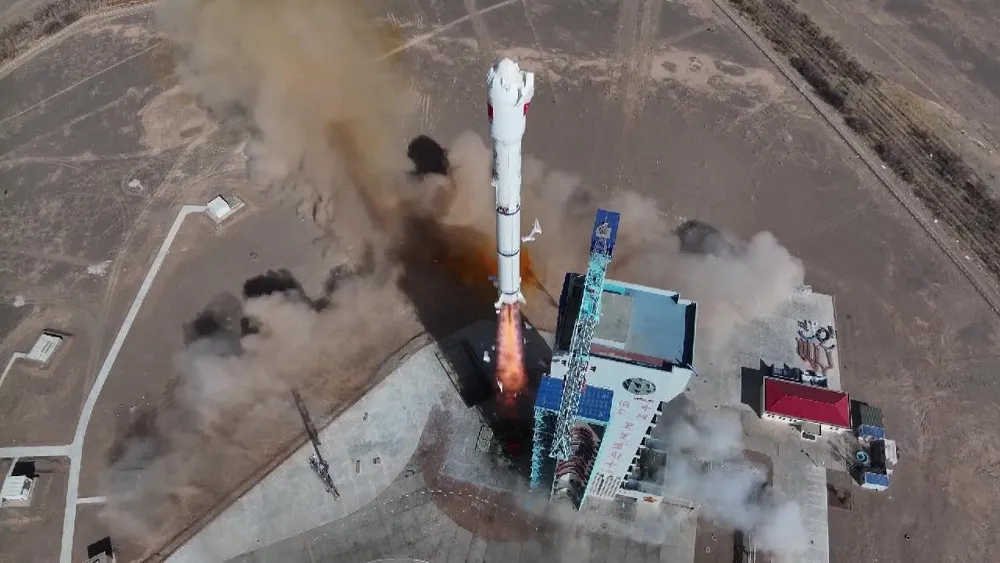
China has solidified its position as a global leader in space technology, ranking as the second-largest operator of civil remote sensing satellites worldwide. By 2025, the country launched over 120 remote sensing satellites, bringing its total active fleet to more than 640, as reported by the China Association for Geographic Information Society.
The current array of satellites offers extensive Earth observation capabilities powered by various technologies including optical, hyperspectral, infrared, and microwave. This diverse instrumentation allows continuous monitoring of the planet, regardless of weather conditions or time of day.
While government initiatives continue to play a significant role, the commercial sector has emerged as the key driver behind this rapid expansion in satellite capabilities.
The year 2025 was particularly notable with several milestones in the industry. Among these, the launch of the SuperView Neo-1 03 and 04 satellites stands out, as they represent China's highest-resolution commercial imaging assets to date.
In addition to general imaging capabilities, China is focusing on deploying specialized hardware to meet the needs of specific economic sectors. This includes the AIRSAT-05, also known as Haishao-2, which is the first commercial satellite to provide full-polarization radar capabilities.
Further emphasizing its tailored approach, the launch of the Geology-1 satellite, which is specifically designed for the mining and mineral industries, showcases the country's commitment to sector-specific applications.
Moreover, the introduction of the Power Engineering-1 satellite, the first of its kind dedicated to addressing the requirements of the electrical power sector, illustrates China's strategic focus on advancing its satellite technology for diverse use cases.
Read These Next

China Unveils AIMS First Mid-Infrared Solar Magnetic Telescope
China unveils AIMS, a mid-infrared solar magnetic telescope to enhance solar observation and research on magnetic phenomena.

Meta Pressured to Improve AI Misinformation Oversight
This article discusses Meta's current challenges and recommendations surrounding the oversight and labeling of AI-generated content, particularly in light of misinformation during global conflicts.

Influenza Infections Remain High Across Japan
Japan reported 160,000 flu cases in the second week of February, with 35 prefectures at 'alert' level and 8,174 schools closed.