

AI Revolutionizes LASIK Enhancing Vision Correction Techniques
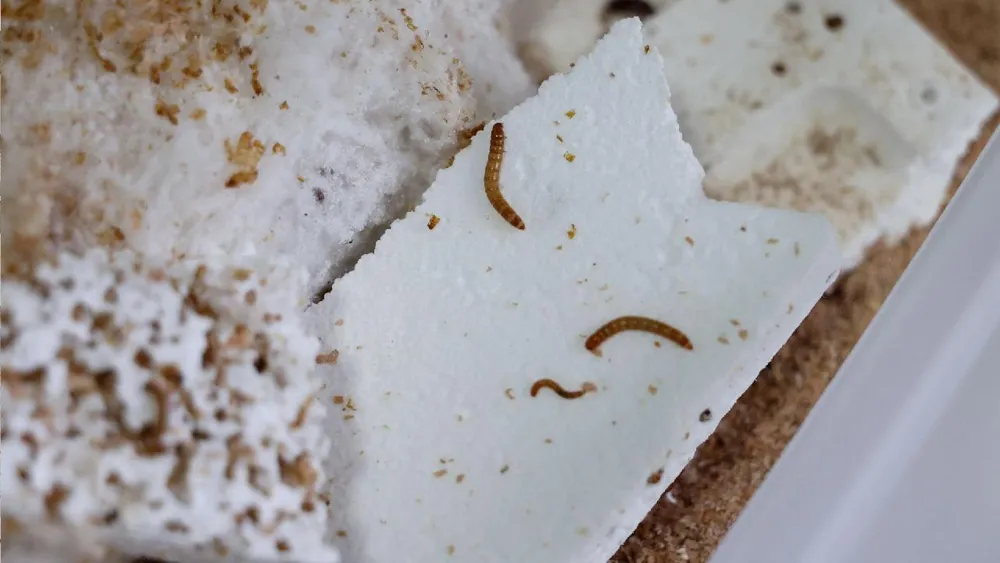
Serbian scientists are pioneering innovative methods to combat plastic pollution through the use of mealworms, specifically training them to digest polystyrene. This initiative aligns with heightened global awareness of sustainability and environmental challenges.
Larisa Ilijin, a principal research fellow at Belgrade's Institute for Biology, has revealed that researchers have discovered mealworms capable of breaking down various plastics, including the widely used polystyrene, often found in food packaging and insulation materials.
This research project, which has garnered support from the Serbian government, the United Nations Development Programme, and several international donors, involves integrating polystyrene into the diet of yellow mealworm beetles, known scientifically as Tenebrio molitor.
While these larvae have a broad dietary range, they require a conditioning period to effectively consume plastic waste, highlighting the necessity of scientific intervention in natural processes.
Ilijin noted, "We have larvae that have been adapted over a long time to biodegrade plastic, to be as efficient as possible in the process." This adaptation helps foster a more efficient breakdown of harmful substances.
The mealworms achieve this biodegradation through the action of bacteria present in their guts, which transform plastic into carbon dioxide and water, devoid of microplastic residues—a major concern with many current recycling methods.
This current research builds upon earlier projects in the United States and Africa that explored similar biological pathways for plastic degradation, emphasizing a collaborative global approach to environmental science.
In Serbia, a country aspiring to European Union membership, the recycling rate is alarmingly low, with only 15 percent of municipal waste recycled—far below the EU standard of 55 percent—and less than 2 percent of household waste finds a path to recycling.
Alarmingly, more than 84 percent of waste is disposed of in approximately 3,000 landfill sites, many unregulated and overflowing with a mixture of plastics and organic matter, underlining the urgent need for sustainable waste management solutions.
Ilijin underscored the potential of this research, stating, "Styrofoam takes over 500 years to decompose in nature... this would represent a promising method to mitigate plastic waste issues in the environment."
The institute has also partnered with Belgrade-based Belinda Animals to breed these mealworms, anticipating the growth of a network of similar ventures. Boris Vasiljev, the owner, has shared that, "When breaking down 1 kg of Styrofoam, larvae emit one to two grams of carbon dioxide," highlighting the low emissions associated with this method compared to incineration.
However, Ilijin cautioned that this technology is still in nascent stages, requiring Serbia to establish regulations that will allow the commercialization of insect products for animal feed, thus marking a significant step towards greener solutions.
Read These Next

China Unveils AIMS First Mid-Infrared Solar Magnetic Telescope
China unveils AIMS, a mid-infrared solar magnetic telescope to enhance solar observation and research on magnetic phenomena.
Meta Pressured to Improve AI Misinformation Oversight
This article discusses Meta's current challenges and recommendations surrounding the oversight and labeling of AI-generated content, particularly in light of misinformation during global conflicts.

Influenza Infections Remain High Across Japan
Japan reported 160,000 flu cases in the second week of February, with 35 prefectures at 'alert' level and 8,174 schools closed.