

Chinese Drug Exhibits Potential Against Nipah Virus in Study
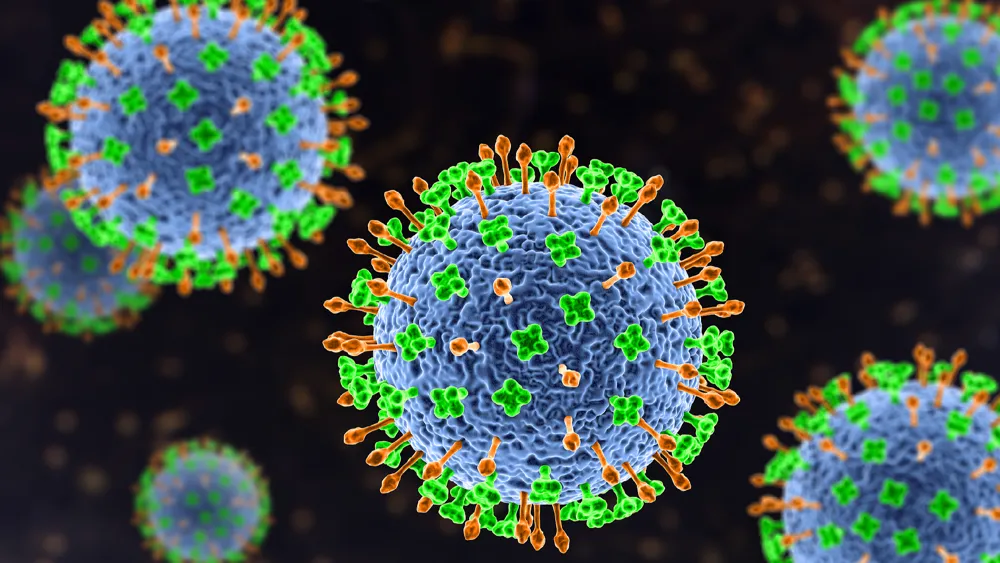
Chinese researchers have demonstrated that an existing oral antiviral medication, VV116, exhibits strong effectiveness against the Nipah virus, a deadly threat that claims the lives of up to 70 percent of those infected.
The study, published in the international journal Emerging Microbes & Infections, reveals that VV116, a nucleoside drug previously approved for COVID-19 treatment in China and Uzbekistan, significantly inhibited Nipah virus strains in laboratory settings and improved survival rates in animal trials.
The oral nucleoside drug VV116 is emerging as a promising candidate for treating Nipah virus infections. This research confirms VV116's therapeutic potential against the bat-borne virus, which the World Health Organization has identified as a significant regional threat.
Following outbreaks in India and Bangladesh from 2023 to 2026 that demonstrated alarming increases in frequency and geographic spread, the virus re-emerged in West Bengal this past January, resulting in fatalities and prompting health authorities to quarantine nearly 100 close contacts. Since its first outbreak in Malaysia in 1998, Nipah has maintained a chilling fatality rate between 40 to 70 percent, with no approved vaccines or therapeutics available.
The research, spearheaded by the Wuhan Institute of Virology under the Chinese Academy of Sciences, involved collaboration with the Shanghai Institute of Materia Medica and Vigonvita Life Sciences Co., Ltd.
The findings revealed that both VV116 and its metabolically active form demonstrated strong inhibitory effects against the major Nipah strains: the Malaysian genotype (NiV-M) and the more virulent Bangladeshi variant (NiV-B). As a prodrug targeting the RNA-dependent RNA polymerase, an essential enzyme for viral replication, the compound effectively disrupted the pathogen's lifecycle at the molecular level.
In lethal infection models using golden hamsters, an oral dosage of VV116 at 400 milligrams per kilogram resulted in a 66.7 percent survival rate among the test subjects. Treated animals also exhibited significantly reduced viral loads in critical organs such as the lungs, spleen, and brain.
Medical experts suggest that the existing regulatory approvals for VV116's human use against COVID-19 could expedite its deployment during Nipah outbreaks. Beyond therapeutic applications, researchers propose that VV116 could serve as a preventive measure for high-risk populations, including healthcare workers, laboratory personnel, and communities situated in outbreak regions.
Read These Next

Eye-Scanning Tech: Verifying Humanity in Digital Interactions
Exploring the introduction of eye-scanning technology by Tinder and Zoom for user verification and its implications in a digital world rife with AI impersonation.
Can a Digital Twin Create a 'Superworker'?
This article explores the potential of digital twins, like Richard Skellett's AI counterpart, to transform ordinary workers into 'superworkers' by enhancing their productivity and addressing key considerations around governance and ethical use.

Quantum Computing: Can Europe Lead the Tech Race?
An overview of the potential for Europe, particularly France, to lead in the quantum computing race, highlighting key players and their innovative approaches.