

Qinling Station Highlights China's Innovative Green Polar Tech
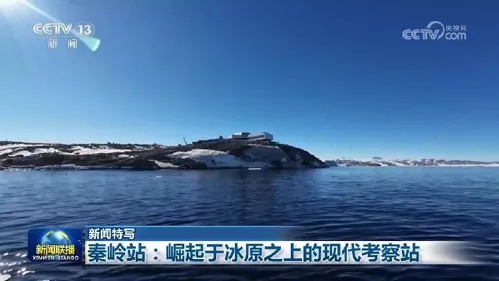
China's 42nd Antarctic expedition team has successfully completed a rotation of personnel and a logistical resupply at Qinling Station. This station, operational since February 7, 2024, has been notable for its innovative green technology designed to withstand the harsh polar environment.
Qinling Station continues to demonstrate remarkable stability in its operations, thanks to key self-developed systems that perform reliably under the extreme conditions found in Antarctica. The integration of these technologies highlights China's commitment to advancing science and technology in polar research.
Since its inception, the station has faced severe challenges such as extreme cold, fierce winds, and blizzards. Despite these difficulties, the reliable functioning of its core systems, including seawater desalination, renewable energy generation, and wastewater treatment, has ensured a continuous and stable operation.
Currently, the overwintering team from China's 41st Antarctic expedition has been stationed at Qinling for over 14 months. Their extended presence reflects the commitment to long-term research and operational sustainability in one of the most challenging environments on Earth.
"All freshwater used at the station is produced through this desalination system, which can generate 20 tonnes of water per day," stated Wang Zhechao, the head of Qinling Station. This output demonstrates the station's capability to meet its water needs efficiently.
Even during the peak periods of the southern summer, daily water consumption at the station has been recorded at just over 10 tonnes. This indicates that the desalination system is more than adequate to satisfy the station's total water requirements.
Beyond the desalination capabilities, Qinling Station is further equipped with photovoltaic, wind, and hydrogen generation systems. Collectively, electricity generated by these three renewable sources accounts for over 60 percent of the station's total power consumption.
"The proportion of electricity generated from renewable sources at Qinling Station is relatively high compared to other nearby research stations," Wang noted. He emphasized that the integrated use of these three energy systems positions Qinling as a leader in green energy utilization in Antarctica.
The increasing deployment of domestically developed equipment at the station underscores China's growing capabilities in the research, development, and application of advanced polar scientific equipment.
Currently, the members of the expedition team are engaged in the construction and enhancement of scientific research facilities while also focusing on further optimizing the performance of the systems in place at Qinling Station.
Read These Next

Risks of Trusting AI Chatbots for Medical Advice
This article explores the accuracy and reliability of AI chatbots in providing medical advice, highlighting findings from a University of Oxford study that indicate inconsistencies and the potential risks of relying on such technologies for healthcare.
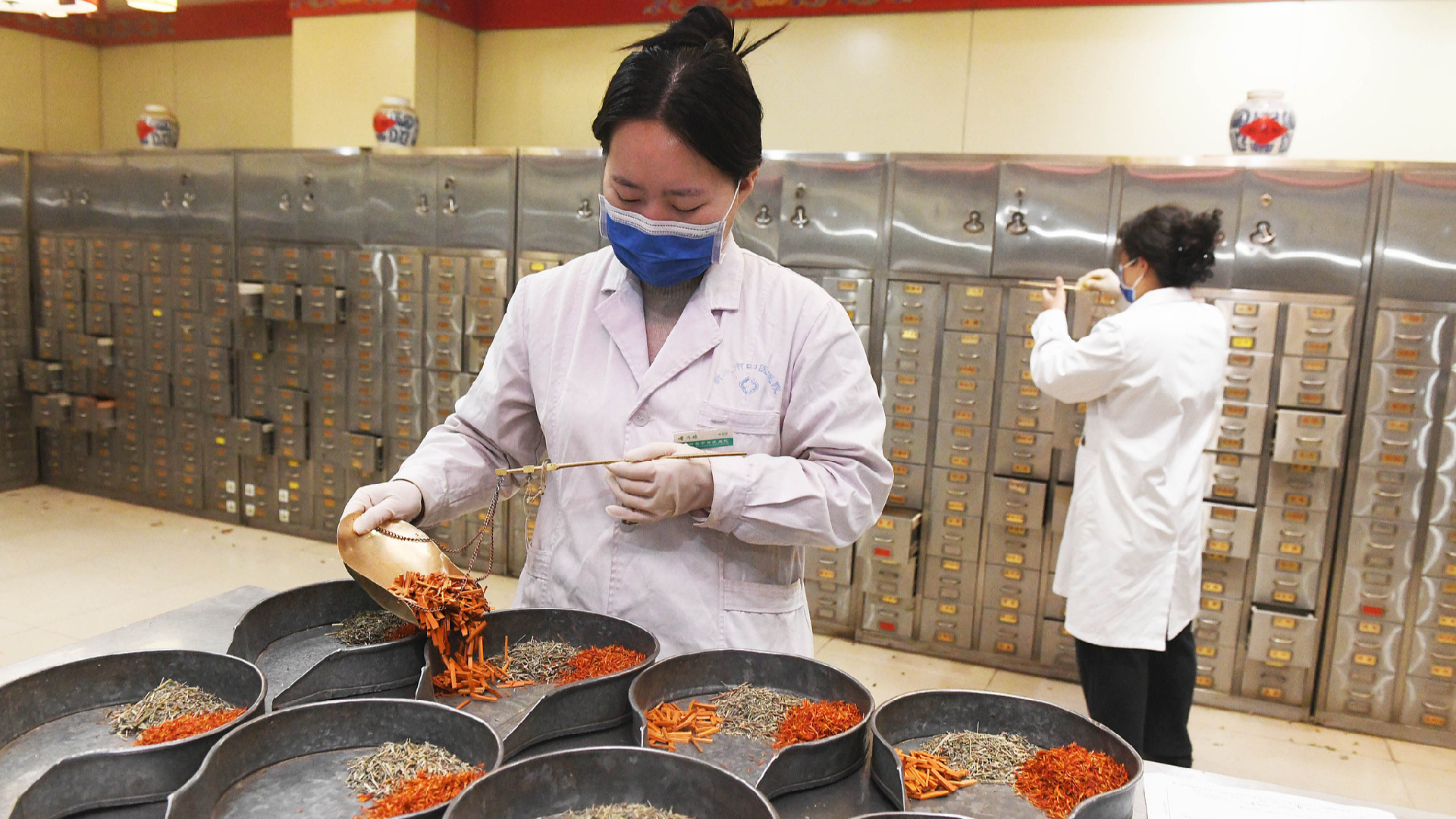
TCM Achieves Major Inheritance and Innovation Breakthroughs in 2025
In 2025, China advanced Traditional Chinese Medicine with 90 new departments and 212 clinical projects, enhancing modernization efforts.
China's SOEs Sustain R&D Spending Over 1 Trillion Yuan for Four Years
In 2025, China's SOEs invested 1.1 trillion yuan in R&D, 41.8% of 2.5 trillion yuan for strategic industries, boosting growth.