

UN Official Advocates Ancient Wisdom for Modern Wellbeing
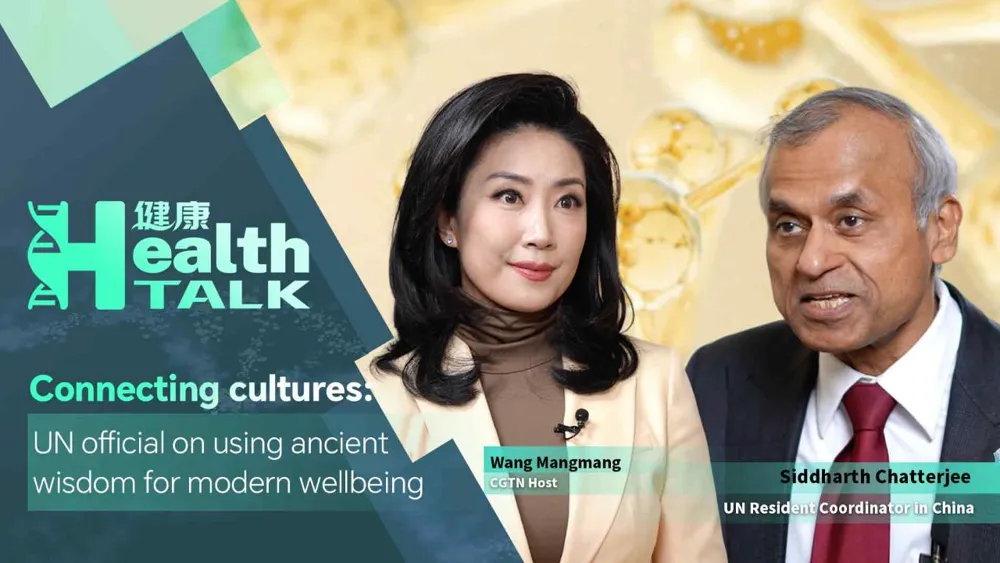
In a recent dialogue with CGTN, Siddharth Chatterjee, the United Nations Resident Coordinator in China, shared his insights into the ancient Taoist health philosophy and its emphasis on breath regulation. Drawing upon his cultural background and global health expertise, Chatterjee highlighted the universal wisdom found across civilizations that regards breath as crucial for both physical and mental well-being.
As chronic diseases have emerged as one of the most pressing global health challenges, Chatterjee argues that sustainable health solutions must go beyond conventional clinical treatments. He points out that factors such as breathing, diet, and daily lifestyle choices, often overlooked, play essential roles in promoting long-term health. Within Taoist thought, breath is perceived as a vital connection between body and mind, critical for maintaining balance and resilience.
Chatterjee believes that these ancient practices, honed over centuries, retain significant relevance in contemporary society. He posits that they provide valuable perspectives for advancing initiatives like Healthy China 2030 and for fostering a community that envisions a shared future for humanity. Additionally, these insights align with the UN Sustainable Development Goals.
The merging of timeless wisdom with modern public health strategies has the potential to create healthier societies globally. As discussions around transforming public health continue, Chatterjee's reflections underscore the importance of integrating traditional knowledge into contemporary approaches.
Overall, Chatterjee's emphasis on the importance of breath and lifestyle choices brings a holistic perspective to discussions on health and wellness. These insights encourage a broader understanding of health that encompasses not just treatment, but proactive measures promoting overall well-being.
Read These Next
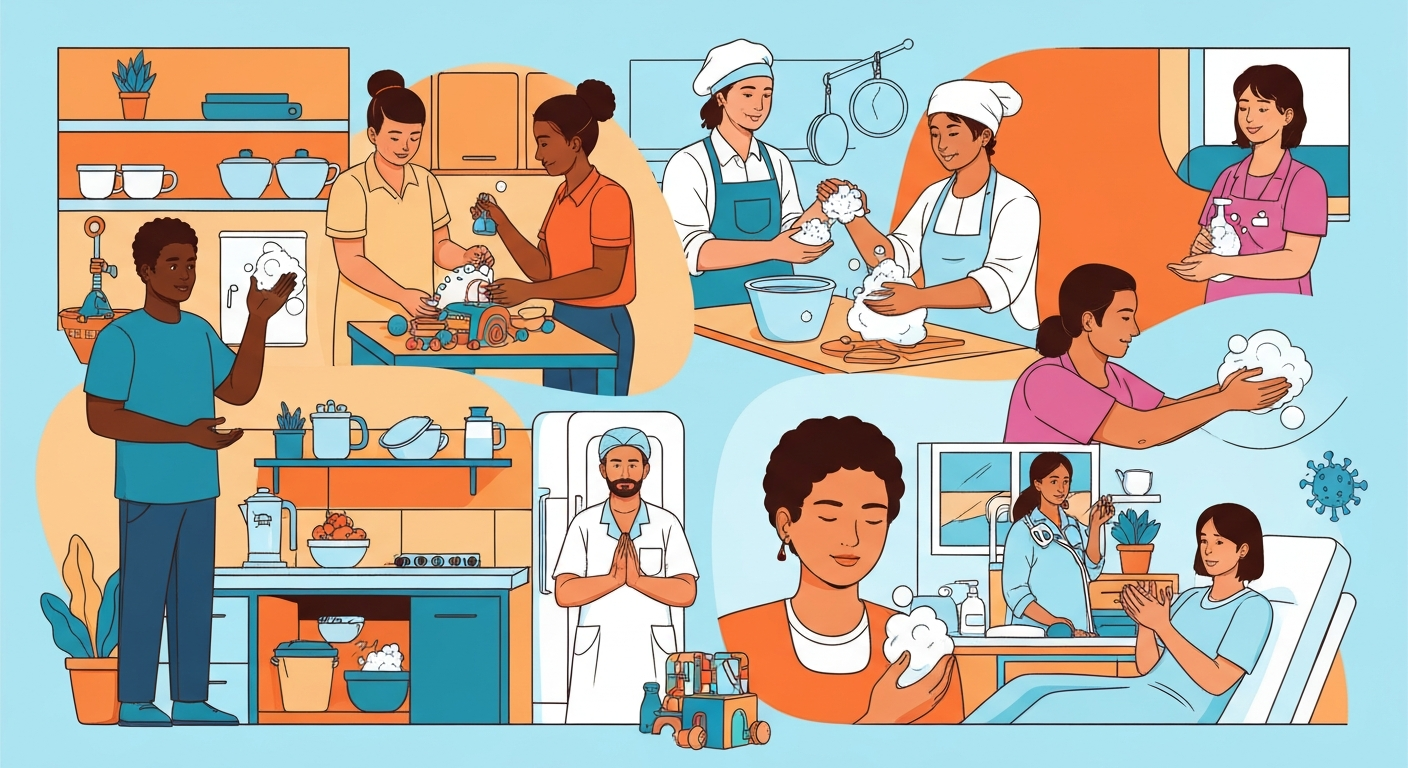
Risks of Trusting AI Chatbots for Medical Advice
This article explores the accuracy and reliability of AI chatbots in providing medical advice, highlighting findings from a University of Oxford study that indicate inconsistencies and the potential risks of relying on such technologies for healthcare.
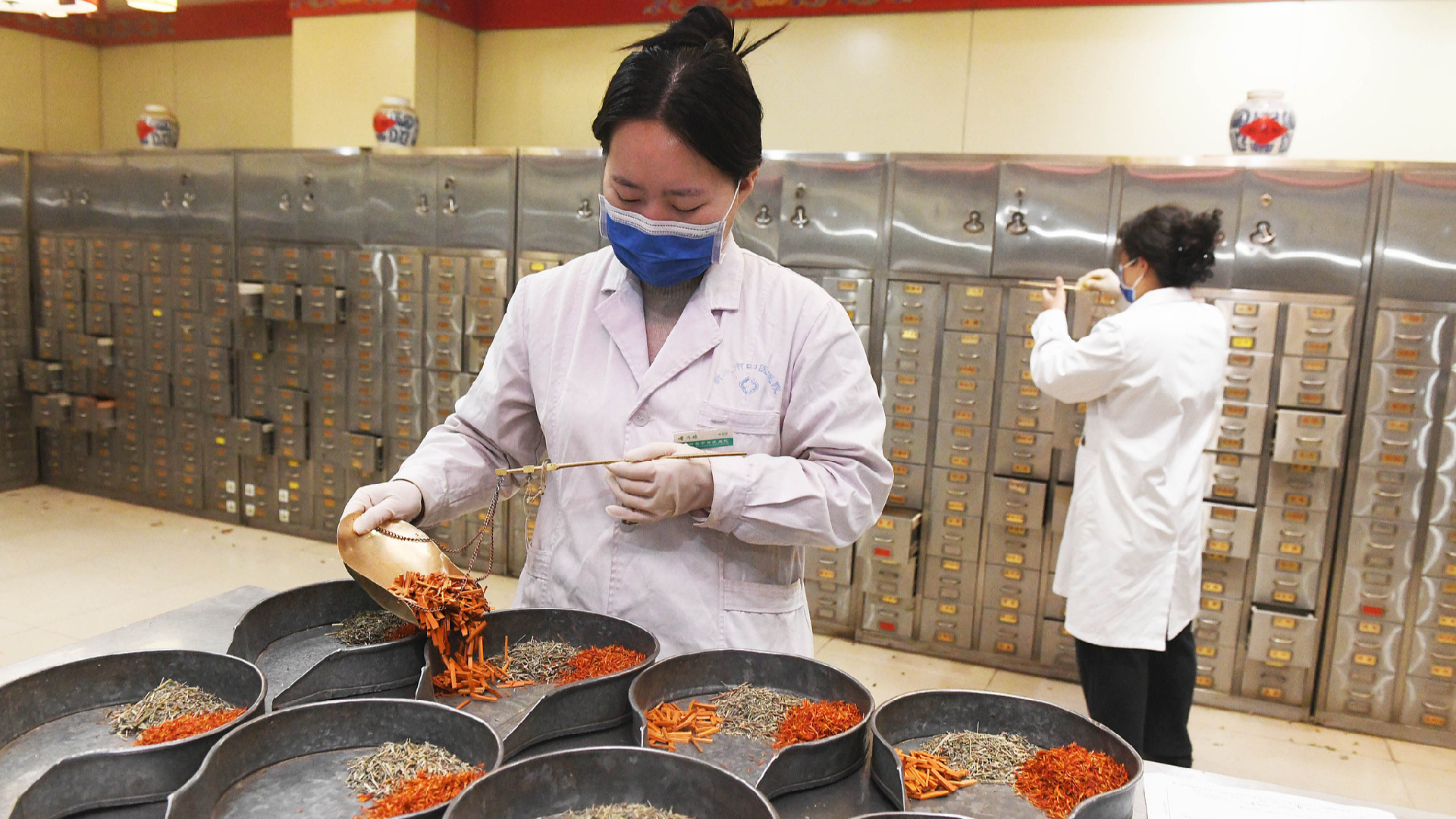
TCM Achieves Major Inheritance and Innovation Breakthroughs in 2025
In 2025, China advanced Traditional Chinese Medicine with 90 new departments and 212 clinical projects, enhancing modernization efforts.

China's SOEs Sustain R&D Spending Over 1 Trillion Yuan for Four Years
In 2025, China's SOEs invested 1.1 trillion yuan in R&D, 41.8% of 2.5 trillion yuan for strategic industries, boosting growth.