

China Enhances Shanghai Synchrotron Light Source Facility
China is investing in the enhancement of its Shanghai Synchrotron Light Source (SSLS), aiming to bolster research capabilities across various scientific disciplines such as material science, biology, and environmental science. This upgrade symbolizes China's commitment to advancing its research infrastructure and fostering international collaboration in cutting-edge scientific endeavors.
The SSLS upgrade is a significant leap forward, as it employs state-of-the-art technology to facilitate in-depth investigations of complex materials. By providing high-resolution imaging and analysis capabilities, researchers will gain deeper insights into the electronic properties of materials that could lead to breakthroughs in multiple fields.
Furthermore, this facility is expected to attract global researchers, enhancing China's role in international research initiatives. The collaboration with international scientific communities will likely lead to the sharing of knowledge and expertise that can drive innovation and foster advancements in technology.
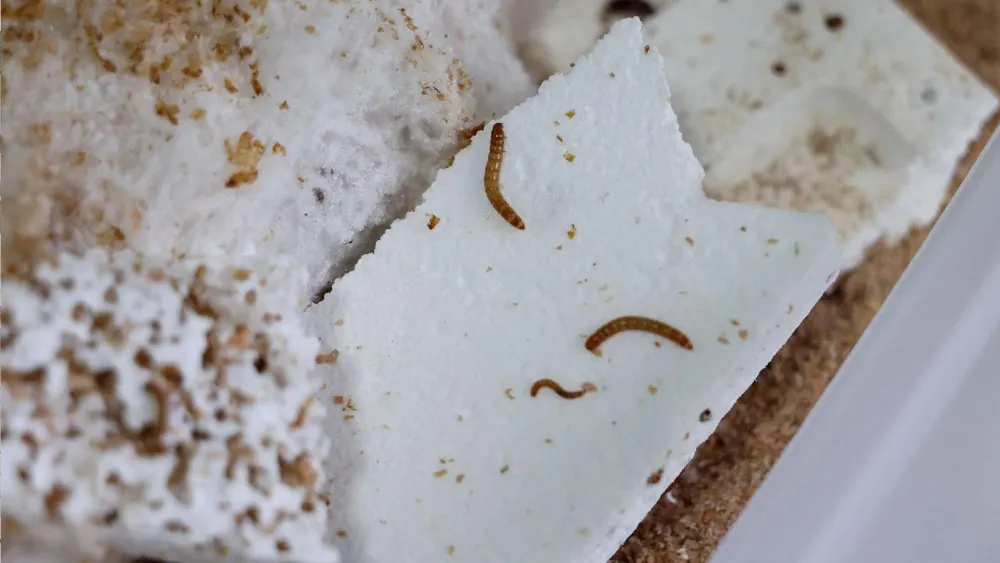
In parallel to advancements in China, Serbian scientists are also making headway in the field of waste management by experimenting with mealworms as a method to degrade polystyrene. Larisa Ilijin, a principal research fellow at Belgrade's Institute for Biology, emphasized the potential of mealworms to digest various plastics, including the stubborn polystyrene commonly used in packaging.
This project, supported by the Serbian government and the United Nations Development Programme among other international donors, involves incorporating polystyrene into the diets of yellow mealworm beetle larvae, known scientifically as Tenebrio molitor. While these insects can consume a variety of organic materials, they require training to effectively digest plastic.
Ilijin stated that the larvae have been adapted to efficiently biodegrade plastic, aided by bacteria in their intestines that break down the plastic into harmless substances like carbon dioxide and water. Importantly, researchers found no trace of microplastic residue in the larvae or their waste, highlighting the method's potential effectiveness.
Serbia’s current waste recycling rate is notably low, with only 15 percent of municipal waste being recycled and less than 2 percent of household waste. This situation contrasts sharply with the European Union's recycling target of 55 percent, raising concerns over environmental management amid growing landfills that often contain plastic waste.
With over 84 percent of waste in Serbia being directed to around 3,000 unregulated landfills, the need for innovative solutions is critical. Researchers like Ilijin advocate that utilizing mealworms represents a viable strategy to address plastic waste issues, especially given that Styrofoam can take over 500 years to decompose naturally.
In collaboration with local companies, the Belgrade Institute has provided mealworms to Belinda Animals for breeding, with plans to establish a network of insect farms for larger-scale operations. Boris Vasiljev, the owner of Belinda Animals, noted that the carbon dioxide emissions from decomposing Styrofoam with mealworms are significantly less than those produced during incineration.
Despite the promising results of using mealworms in waste degradation, Ilijin noted that regulations regarding the use of insect products for animal feed still need to be developed in Serbia to maximize the commercial viability of this initiative.
Read These Next

Risks of Trusting AI Chatbots for Medical Advice
This article explores the accuracy and reliability of AI chatbots in providing medical advice, highlighting findings from a University of Oxford study that indicate inconsistencies and the potential risks of relying on such technologies for healthcare.
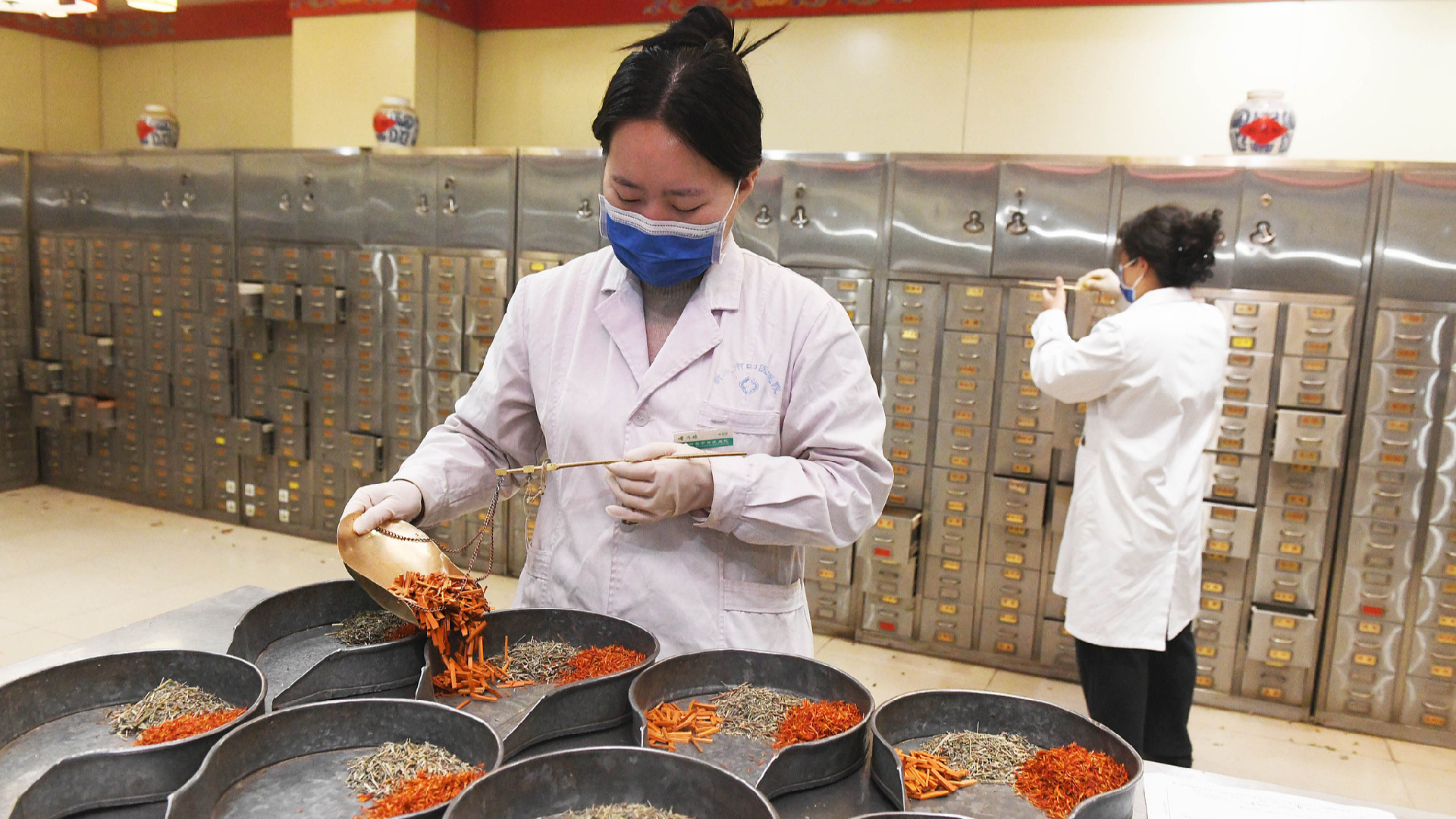
TCM Achieves Major Inheritance and Innovation Breakthroughs in 2025
In 2025, China advanced Traditional Chinese Medicine with 90 new departments and 212 clinical projects, enhancing modernization efforts.
China's SOEs Sustain R&D Spending Over 1 Trillion Yuan for Four Years
In 2025, China's SOEs invested 1.1 trillion yuan in R&D, 41.8% of 2.5 trillion yuan for strategic industries, boosting growth.