

Tuoca Therapy Offers Natural Relief for Neck and Back Pain
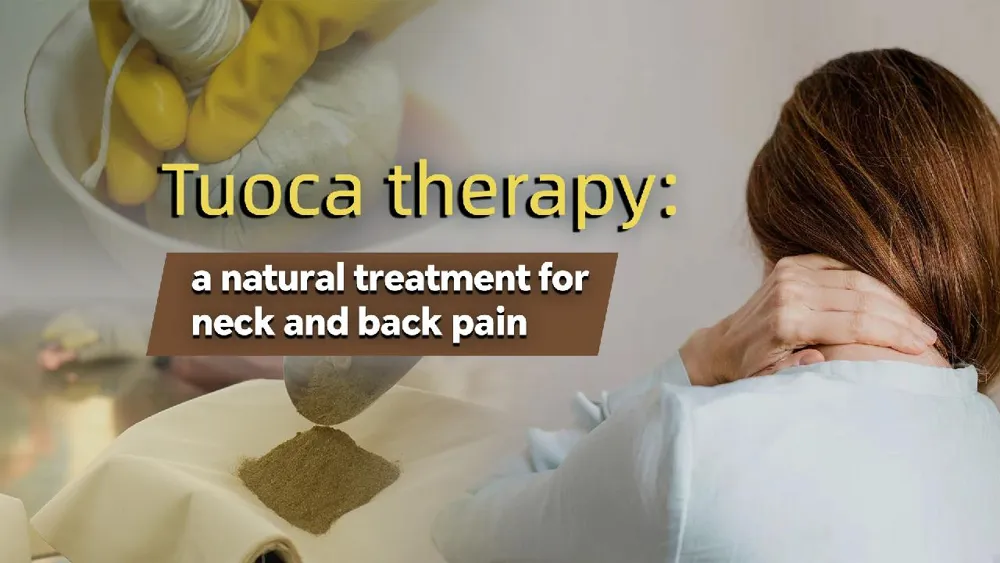
Tuoca therapy is gaining recognition as an ancient Dai treatment method that effectively addresses neck and back pain through natural, non-invasive means. This traditional approach utilizes a cloth bag filled with specially prepared herbal powder that is steamed to a warm temperature. The therapy involves gently dragging and pressing this herbal bag along specific muscle and meridian pathways in the body, targeting the areas affected by pain.
The appeal of tuoca therapy lies in its ability to provide quick relief from pain while ensuring a gentle experience for patients. Each treatment session is concise, lasting only 15 minutes, and it does not require the use of needles or oral medications. This approach helps maintain a relaxed and comfortable state for individuals seeking relief.
It is essential for tuoca therapy to be performed by a qualified practitioner who can make a proper diagnosis prior to treatment. Certain populations, such as pregnant women, individuals with skin ulcers, or those allergic to the herbal components, are advised against undergoing this therapy.
In the context of rising healthcare costs and the increasing search for natural treatments, traditionally rooted practices like tuoca therapy are becoming more appealing. This treatment offers patients an alternative to more invasive methods that may involve significant medical expenses and longer recovery times.
Moreover, tuoca therapy is not only gaining traction within the realm of pain management but also presents implications for preventive health strategies. By utilizing herbal remedies in a holistic manner, it emphasizes overall wellness and may prevent the recurrence of pain.
As interest in traditional medicine grows worldwide, tuoca therapy exemplifies how ancient knowledge continues to evolve and find relevance in modern healthcare. The integration of this therapy into various health-disciplines could provide additional avenues for individuals seeking effective, safe, and affordable care.
Read These Next

Risks of Trusting AI Chatbots for Medical Advice
This article explores the accuracy and reliability of AI chatbots in providing medical advice, highlighting findings from a University of Oxford study that indicate inconsistencies and the potential risks of relying on such technologies for healthcare.

TCM Achieves Major Inheritance and Innovation Breakthroughs in 2025
In 2025, China advanced Traditional Chinese Medicine with 90 new departments and 212 clinical projects, enhancing modernization efforts.

China's SOEs Sustain R&D Spending Over 1 Trillion Yuan for Four Years
In 2025, China's SOEs invested 1.1 trillion yuan in R&D, 41.8% of 2.5 trillion yuan for strategic industries, boosting growth.