

AI Assists Doctors in Breast Cancer Detection in World-First Trial
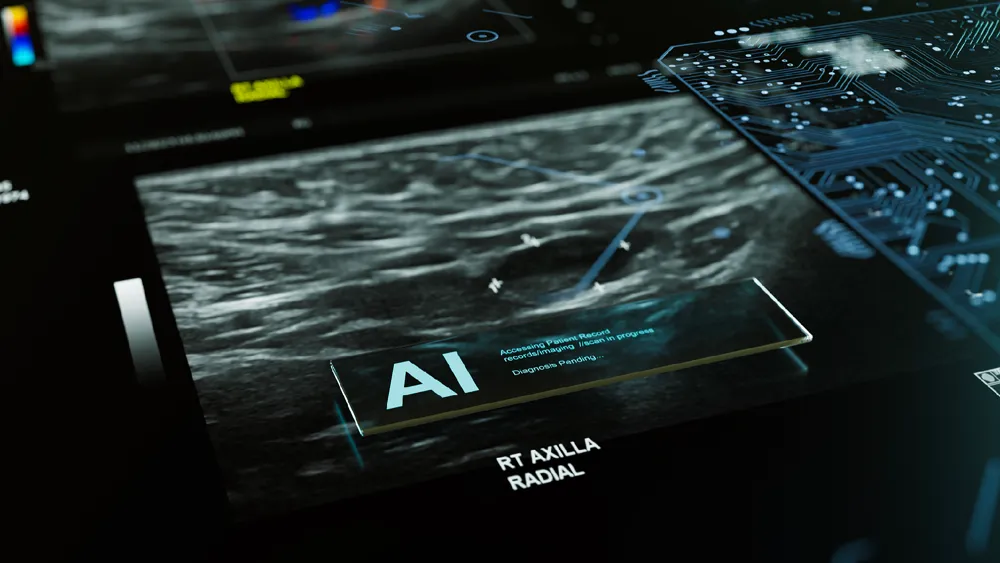
A groundbreaking trial in Sweden has revealed that artificial intelligence significantly enhances breast cancer detection, boosting identification rates by nine percent and reducing interval cancers by twelve percent among over 100,000 women.
The findings suggest a compelling case for countries to adopt AI-driven programs aimed at leveraging this technology, particularly as healthcare systems face a shortage of radiologists, according to the lead researchers from Sweden.
The study, published in The Lancet medical journal, is noteworthy as it represents the first completed randomized controlled trial—the gold standard in research—focused on the application of AI in breast cancer screening.
Throughout 2021 and 2022, the trial engaged more than 100,000 women who underwent routine breast cancer screenings across Sweden.
Participants were randomly allocated to two groups. One group utilized a single radiologist supported by an AI system for scan evaluations, while the other followed the conventional European method involving two radiologists for interpretation. The AI-assisted group identified nine percent more cases of cancer than the control group.
Over a two-year follow-up period, women in the AI-supported group exhibited a twelve percent lower rate of interval cancers, which are particularly concerning as they can develop between regular screenings.
These improvements were consistent among various age demographics and breast density levels, which are both known risk factors. Notably, the incidence of false positives was similar for both study groups.
Kristina Lang, the senior author from Lund University in Sweden, emphasized the potential of AI-supported mammography to reduce workload for radiologists while facilitating earlier detection of cancers.
However, she cautioned that the integration of AI in healthcare must be executed with care and accompanied by continuous monitoring.
Jean-Philippe Masson, head of the French National Federation of Radiologists, pointed out that while AI plays a role in diagnosis, it is the radiologist's expertise that ultimately verifies these findings.
Stephen Duffy, emeritus professor of cancer screening at Queen Mary University of London and not involved in the study, acknowledged the added safety evidence for AI-assisted screenings but cautioned that the decrease in interval cancers may not be statistically significant.
He called for further follow-up of the trial participants to assess whether the control group may eventually even out in their detection rates.
Read These Next
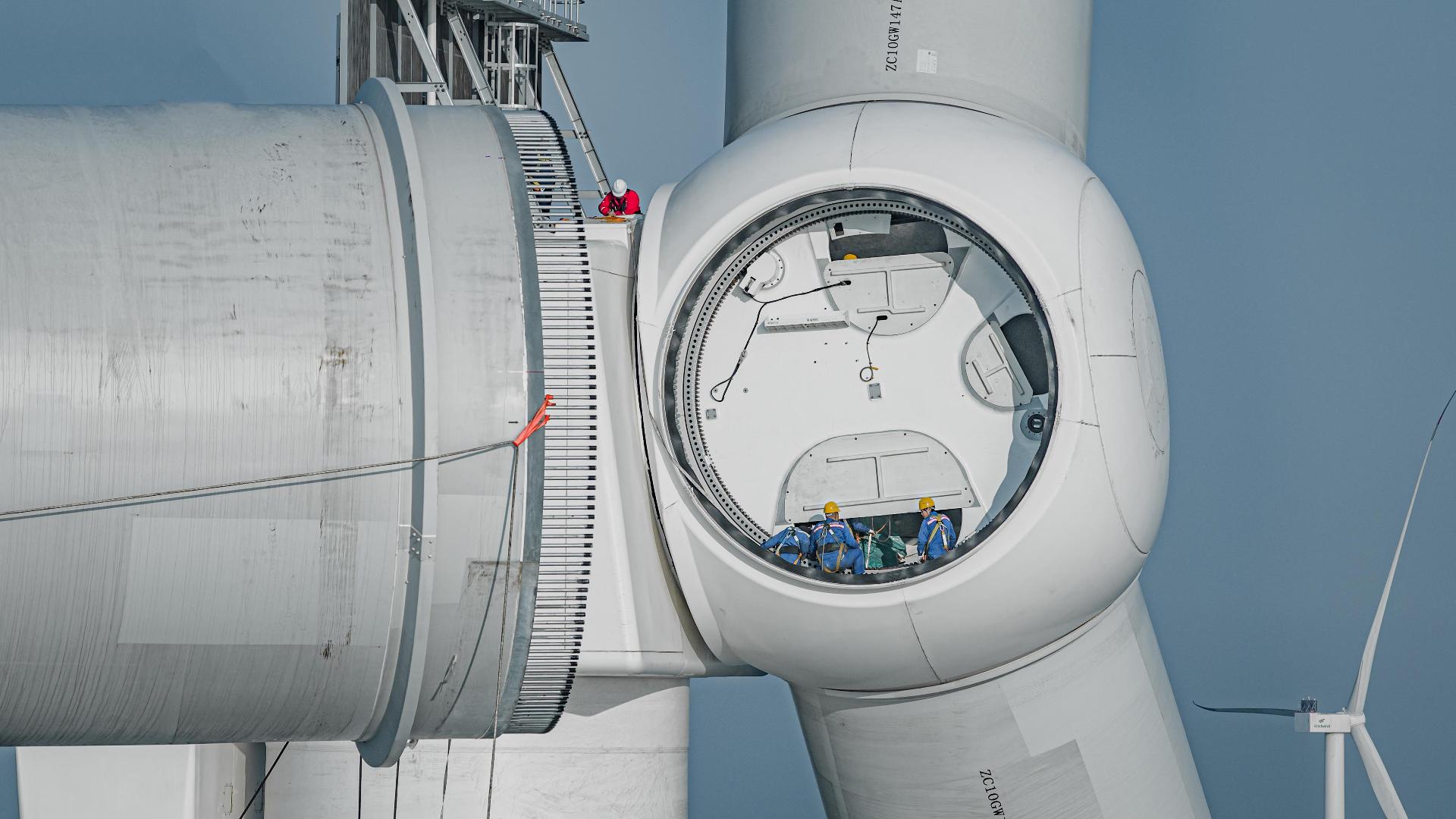
China installs world's first 20 megawatt offshore wind turbine
China has installed the world's first 20MW offshore wind turbine, powering 44,000 homes in Fujian, boosting clean energy efforts.

Musk's SpaceX and xAI: Partnering for Space AI Future
Exploring the merger between Musk’s SpaceX and xAI, its implications in the realms of AI and space technology, and what this fusion means for future innovations.

Industrial Upgrading Fuels Environmental Protection for Beautiful China
China's 15th Five-Year Plan promotes a 'Beautiful China' through green industrial transformation and sustainable practices.