

Musk's SpaceX and xAI: Partnering for Space AI Future

In a groundbreaking move, Elon Musk's SpaceX has acquired xAI, a company known for its AI chatbot, Grok. This merger signifies a merging of Musk's ambitious companies and aims to establish a new frontier for artificial intelligence in space. As tech giants increasingly lean towards innovative integrations, this merger reflects the evolving landscape of corporate strategy, where synergies between groundbreaking technologies like AI and space exploration can lead to unprecedented advancements. By pooling resources and expertise, Musk envisions creating the most valuable private company, arguably setting the stage for significant breakthroughs not only in AI but also in satellite communication and space-based data centers.
The concept behind this merger incorporates the idea of efficiency through integration—a principle that has reshaped industries. xAI began as part of X (formerly Twitter), using real-time data to train its AI, and becoming independently valuable. Now aligned with SpaceX’s capabilities in rocket technology and satellite communication, the combined entity aims to pursue innovation at unimaginable scales. Musk has outlined ambitious plans for the future, suggesting that space-based AI could eventually become a sustainable solution to energy needs for technology companies on Earth. For example, having energy-efficient data centers in low-gravity environments could drastically reduce operational costs. Yet, this raises questions about long-term impacts: can space truly accommodate the heavy energy and resource demands of AI without unforeseen drawbacks?
In summary, the SpaceX-xAI merger highlights the gradual integration of AI and space technologies, potentially paving the way for revolutionary advancements. As Musk pushes forward with his vision of a multi-decade endeavor involving energy generation and AI development in space, it prompts the public to consider what this means for the future. With significant implications for industries worldwide—especially in how resources can be utilized beyond Earth's boundaries—this merger could redefine efficiency in computing and energy resources. Interested readers can continue exploring this topic by following developments in inter-company collaborations among leading tech enterprises.
Read These Next
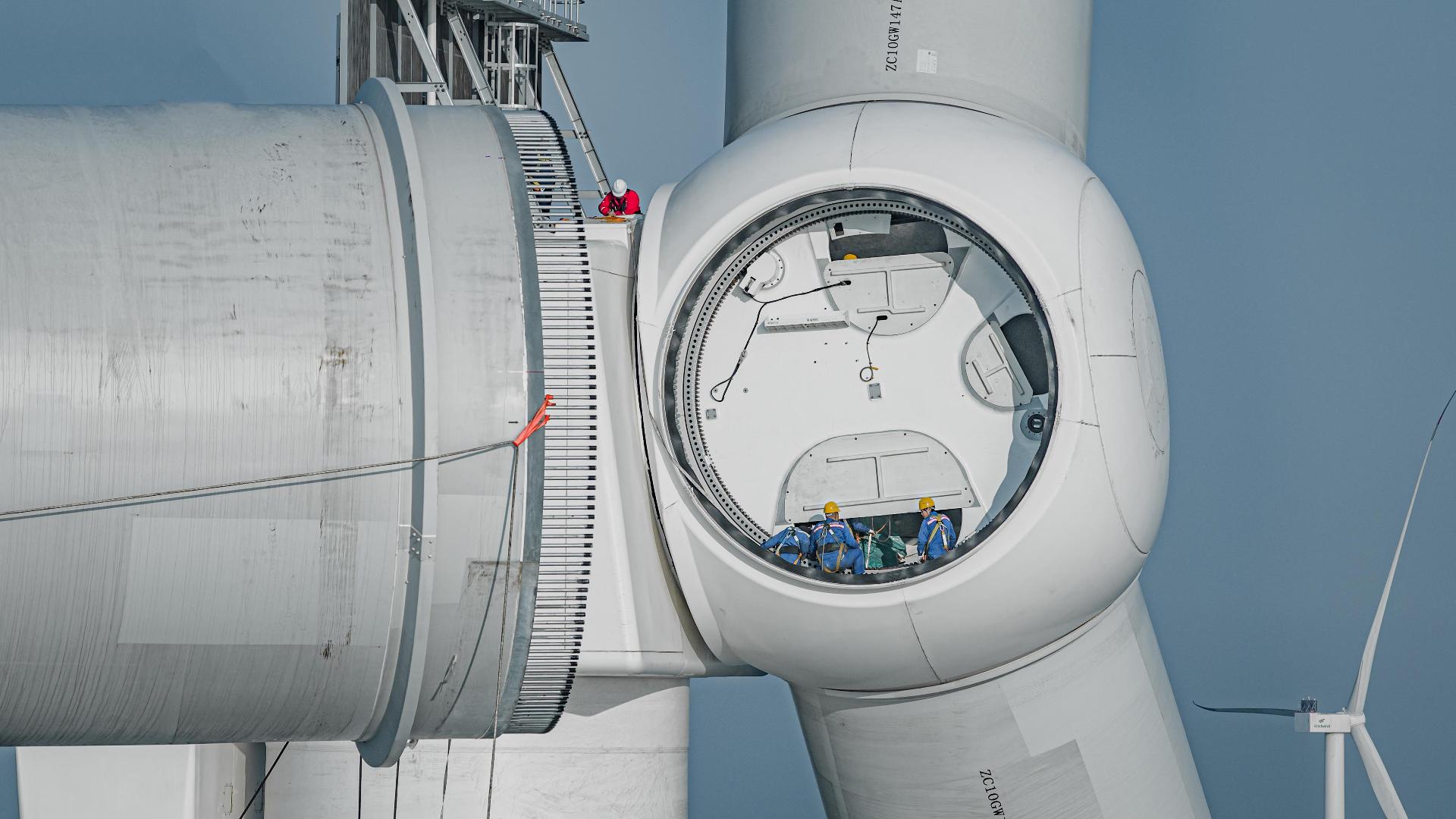
China installs world's first 20 megawatt offshore wind turbine
China has installed the world's first 20MW offshore wind turbine, powering 44,000 homes in Fujian, boosting clean energy efforts.

Industrial Upgrading Fuels Environmental Protection for Beautiful China
China's 15th Five-Year Plan promotes a 'Beautiful China' through green industrial transformation and sustainable practices.

Smart Periodontics Leverages Light and Nanotech for Precision Cleaning
New nanotech treatments for periodontitis, affecting 50% of adults, aim to combat bacteria and promote healing in oral health.