

The Race for Orbital Data Centers with SpaceX

In recent years, the ambitious plans of Elon Musk's SpaceX have captured the attention of both technologists and the public alike. The proposal to launch one million satellites into Earth's orbit to power artificial intelligence (AI) represents a bold vision for the future of computing. As AI becomes increasingly prevalent across various sectors, the demand for computational power has soared, prompting the exploration of innovative solutions like "orbital data centers." This concept holds implications not just for technology, but for the very landscape of space utilization and environmental considerations.
Orbital data centers involve positioning numerous satellites equipped with powerful computing capabilities in low Earth orbit. This model contrasts sharply with traditional data centers, which are typically large facilities filled with servers that consume significant energy and resources for cooling. By sending one million solar-powered satellites into orbit, SpaceX aims to create a distributed network that harnesses solar energy while minimizing energy waste. Musk asserts that this system would meet the increasing processing demands of AI, which have already outgrown current terrestrial capabilities. However, significant challenges remain in ensuring the operational viability of so many satellites, including the prevention of collisions and management of space debris.
The prospect of using satellites for data processing is not merely theoretical—it reflects a trend toward utilizing space for technological advancements. For instance, the existing Starlink network has already shown how satellite constellations can deliver high-speed internet services globally. By expanding this technology for data processing needs, SpaceX could potentially support billions of users in real-time applications, from AI algorithms to cloud computing. Nevertheless, experts voice concerns regarding potential space congestion and the long-term sustainability of deploying such a vast number of satellites. Questions about the balance between technological progress and environmental impact become increasingly relevant: How will we manage the risks associated with space debris? Can we ensure a safe and collaborative use of the space above us, where countless entities may seek to operate?
Read These Next
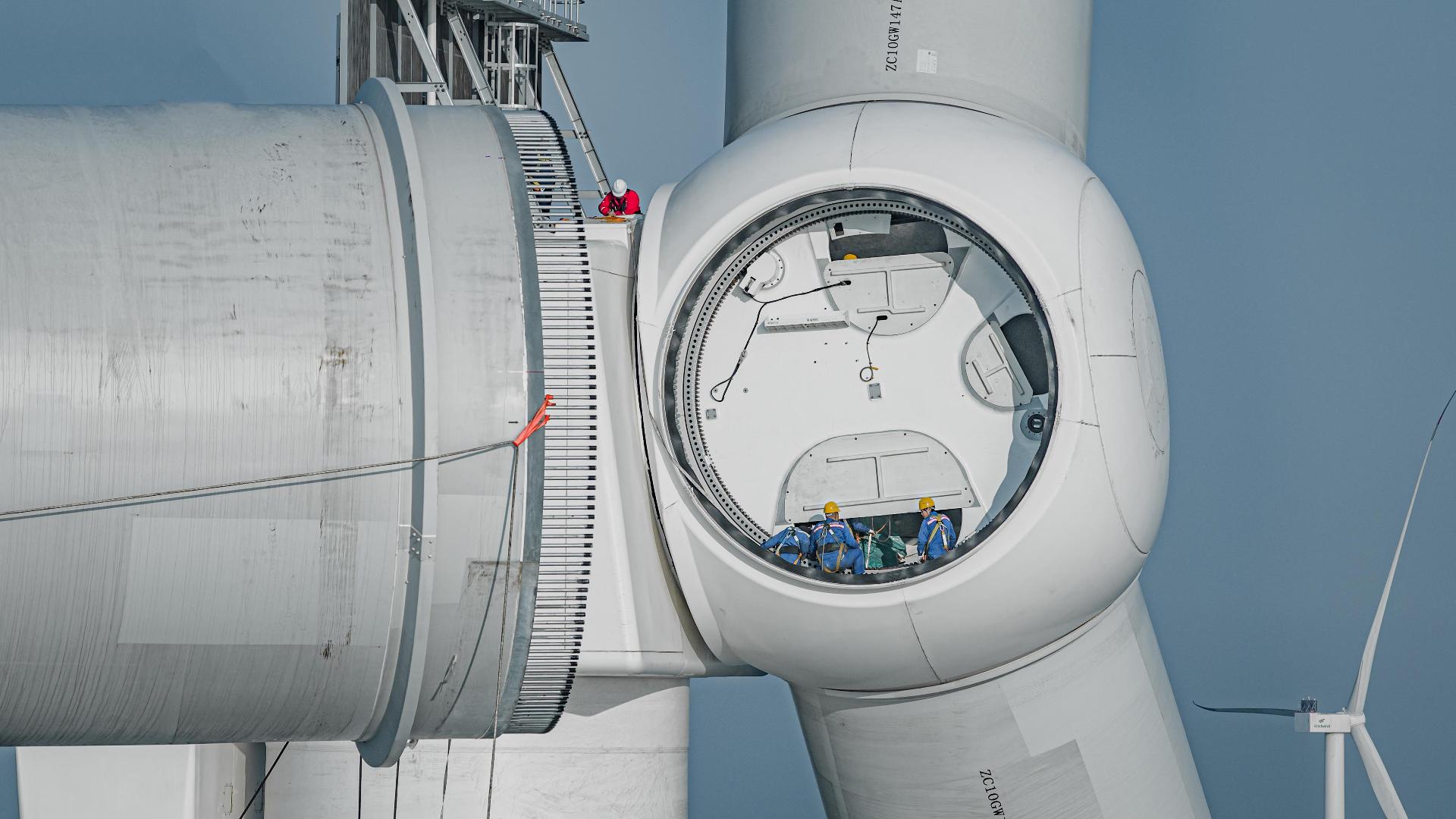
China installs world's first 20 megawatt offshore wind turbine
China has installed the world's first 20MW offshore wind turbine, powering 44,000 homes in Fujian, boosting clean energy efforts.

Musk's SpaceX and xAI: Partnering for Space AI Future
Exploring the merger between Musk’s SpaceX and xAI, its implications in the realms of AI and space technology, and what this fusion means for future innovations.

Industrial Upgrading Fuels Environmental Protection for Beautiful China
China's 15th Five-Year Plan promotes a 'Beautiful China' through green industrial transformation and sustainable practices.