

Future of Carbon Storage: Greensand CCS Project in North Sea
As the world continues to grapple with the impacts of climate change, innovative solutions are becoming paramount. One such approach is Carbon Capture and Storage (CCS), a technology designed to capture carbon dioxide emissions from sources like power plants and industrial facilities, storing it underground to mitigate its contribution to global warming. The importance of CCS cannot be overstated; it represents a critical tool in a multi-faceted strategy to limit greenhouse gas emissions and reach net-zero targets.
The Greensand Future project in the North Sea exemplifies the potential of CCS. Located in a nearly depleted oilfield, this initiative aims to inject carbon dioxide deep into the seabed, utilizing geological formations that have successfully contained oil and gas for millions of years. With plans to store 400,000 tonnes of CO2 in its first year, scaling up to eight million tonnes annually by 2030, Greensand could account for nearly 40% of Denmark's emission reduction target. The geological suitability for such storage, characterized by high porosity and secure cap rock, showcases how previously used oil infrastructure can be repurposed for environmental gain. This transition is critical not only for combating climate change but also for revitalizing job prospects in regions reliant on fossil fuels, as new roles will emerge in maintaining CCS operations.
Despite the promise of CCS, there are caveats to consider. Critics highlight that relying too heavily on this technology might discourage necessary reductions in fossil fuel consumption and overall emissions. Environmental advocates argue that investing in renewable sources like wind and solar energy could achieve emission reductions more quickly and affordably. This tension raises an important question: as we implement CCS to address today's carbon output, are we potentially locking future generations into a dependency on it for their climate strategies? The ongoing development of CCS technologies illustrates the balance between immediate mitigation strategies and sustainable practices for the future. As the Greensand project prepares to begin operations, it serves as both a beacon of hope for innovative climate solutions and a reminder of the complexities inherent in our pursuit of environmental stewardship.
Read These Next
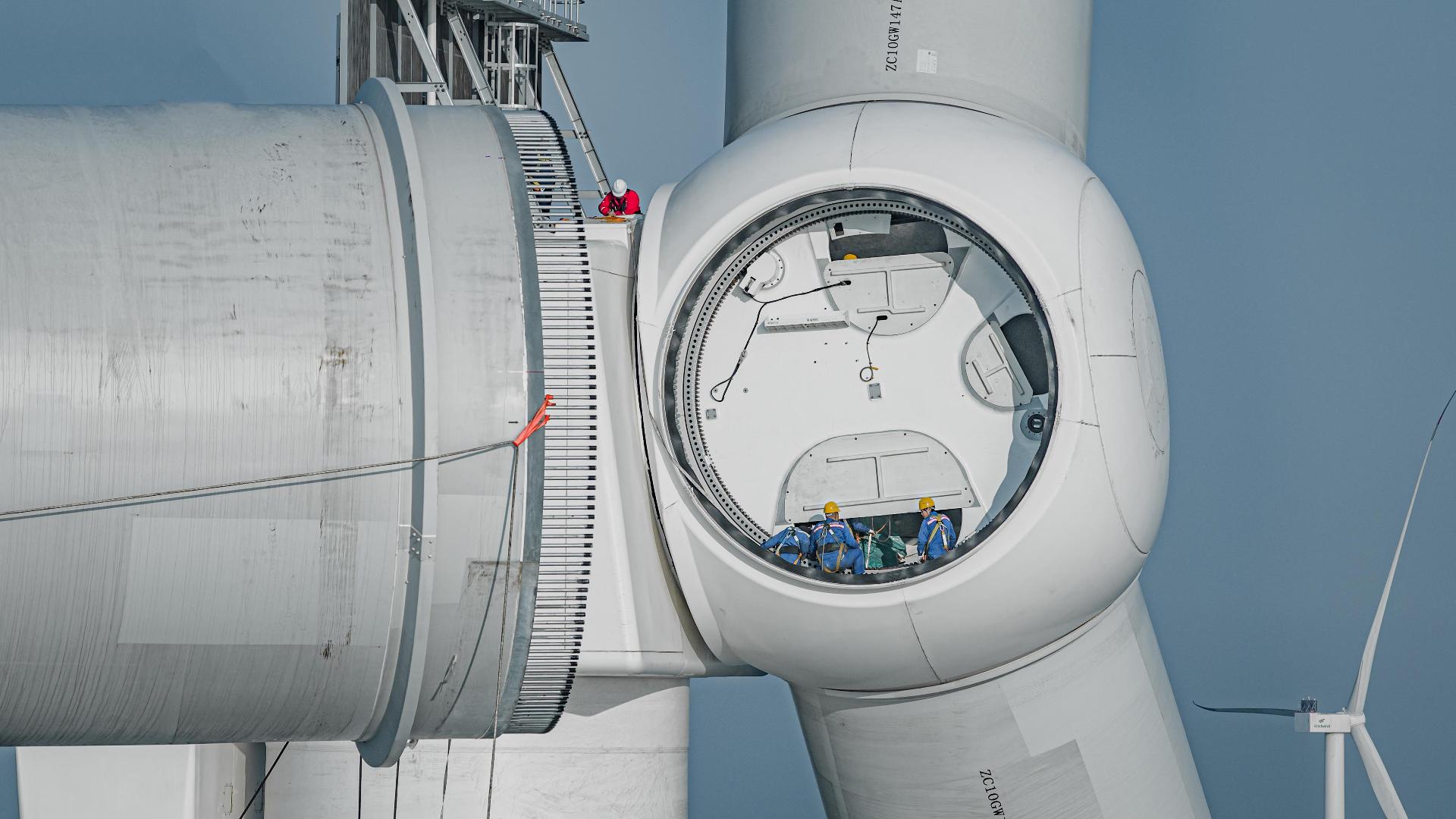
China installs world's first 20 megawatt offshore wind turbine
China has installed the world's first 20MW offshore wind turbine, powering 44,000 homes in Fujian, boosting clean energy efforts.

Musk's SpaceX and xAI: Partnering for Space AI Future
Exploring the merger between Musk’s SpaceX and xAI, its implications in the realms of AI and space technology, and what this fusion means for future innovations.
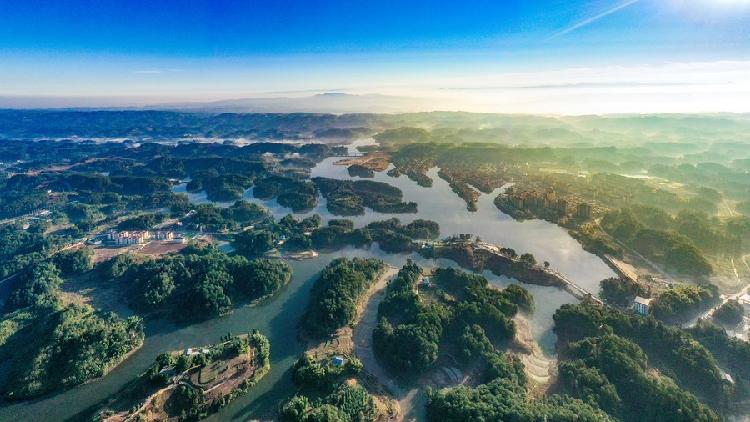
Industrial Upgrading Fuels Environmental Protection for Beautiful China
China's 15th Five-Year Plan promotes a 'Beautiful China' through green industrial transformation and sustainable practices.