

Chinese AI: A New Era in Tech

The global competition in artificial intelligence (AI) is escalating, prompting attention to new strategies and capabilities emerging from various countries. One striking trend is the increasing reliance of U.S. companies like Pinterest on Chinese AI models, highlighting a significant shift in the landscape of AI technology. This matters not just for tech companies, but also for consumers and broader policies surrounding innovation and creativity in the digital age.
Pinterest, popular for its vast array of creative inspirations, now employs Chinese AI models like the DeepSeek R-1 to refine its recommendation engine. This shift showcases how Chinese open-source AI solutions are allowing companies to customize powerful tools at lower costs—sometimes up to 90% cheaper than U.S. alternatives like those from OpenAI. The Chief Technology Officer of Pinterest, Matt Madrigal, emphasizes that these models are more accurate and accessible, suggesting a transformation in how tech firms develop their AI capabilities and the strategies they choose.
This trend isn't limited to Pinterest. Major corporations like Airbnb are also adopting these Chinese models for their AI customer service due to reasons including efficiency and affordability. Qwen, developed by Alibaba, has recently been recognized for its ability to surpass other proprietary models in terms of downloads and usage effectiveness. As reported, a Stanford study indicates that Chinese AI has not only caught up but may have even outpaced competitors in certain aspects such as user engagement.
As the U.S. remains focused on proprietary models, there's a growing recognition of the benefits of open-source approaches advocated by Chinese developers. The irony lies in how a country often viewed as an autocracy could be fostering more democratic advancements in AI technology than its democratic rival. This poses significant implications for industries, where cost-effectiveness and adaptability could steer future innovations. With the trajectory of AI development rapidly evolving, companies and individuals alike must consider how these emerging technologies will shape our digital landscape and what it means for the future of creativity and market competition.
Read These Next
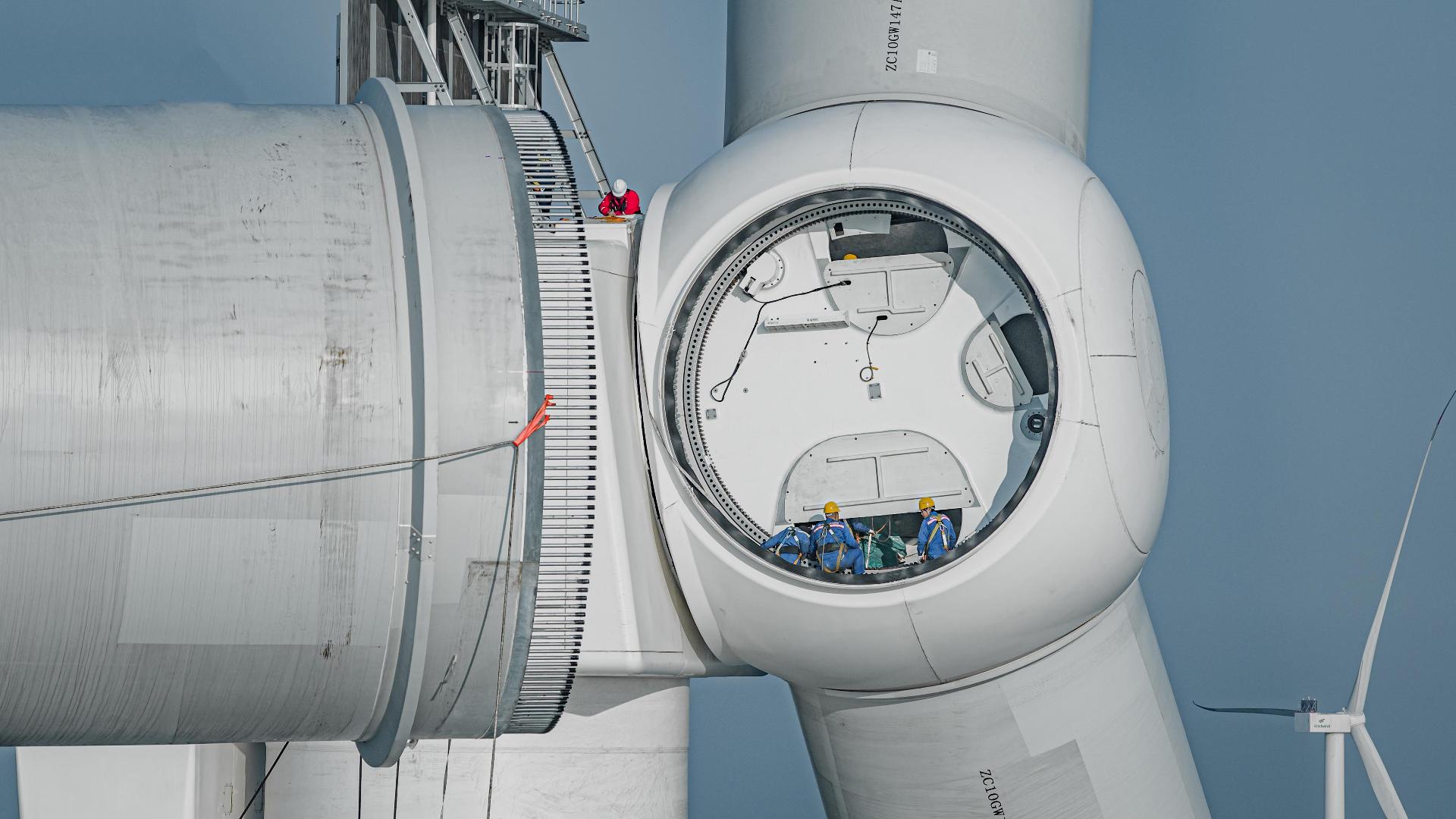
China installs world's first 20 megawatt offshore wind turbine
China has installed the world's first 20MW offshore wind turbine, powering 44,000 homes in Fujian, boosting clean energy efforts.

Musk's SpaceX and xAI: Partnering for Space AI Future
Exploring the merger between Musk’s SpaceX and xAI, its implications in the realms of AI and space technology, and what this fusion means for future innovations.

Industrial Upgrading Fuels Environmental Protection for Beautiful China
China's 15th Five-Year Plan promotes a 'Beautiful China' through green industrial transformation and sustainable practices.