

Microtia Advances in Reconstruction and Social Inclusion
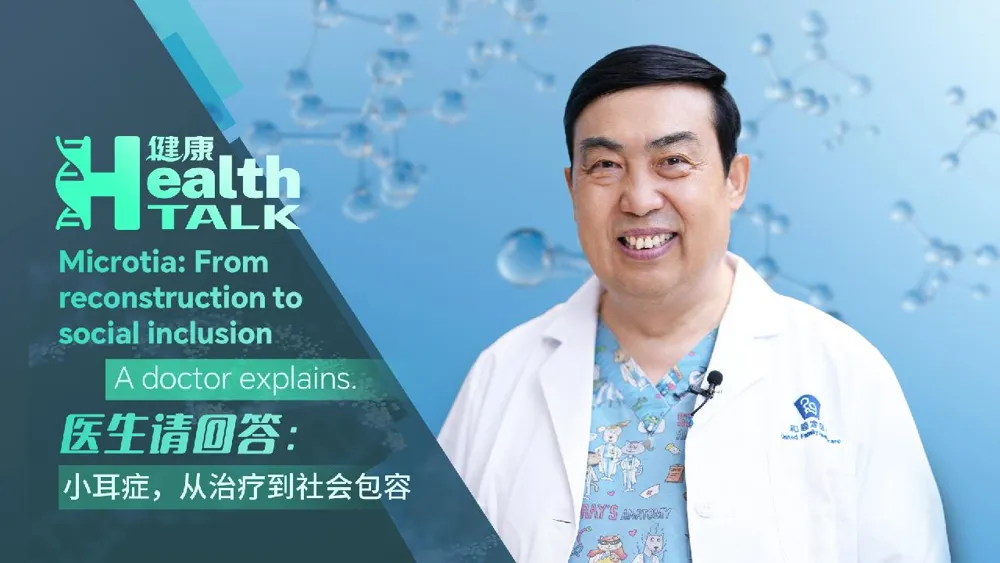
Microtia, a congenital deformity affecting the ear, poses unique challenges for children and their families. The condition not only presents physical challenges but also significantly impacts self-esteem and social interactions. Dr. Guo Shuzhong, a prominent figure in the field, emphasizes the importance of addressing these social issues while exploring reconstruction options to enhance the quality of life for affected children.
Parents grappling with a microtia diagnosis for their child should first gather comprehensive information about the condition. Understanding the different degrees of microtia, its associated conditions, and the potential implications for hearing and self-esteem is essential for informed decision-making. This knowledge empowers parents to advocate effectively for their child’s needs.
Engaging with a team of specialists is a crucial next step in managing microtia. Scheduling consultations with an otolaryngologist, a pediatric audiologist, and a plastic surgeon specializing in ear reconstruction allows for a thorough evaluation. These experts can provide tailored advice on the best management plan, ensuring a holistic approach to care.
Hearing assessments are also vital since microtia can be linked to hearing loss. Timely evaluations will inform whether hearing aids or assistive devices are necessary, facilitating effective communication and learning opportunities for children. This proactive approach underscores the need for integrated healthcare strategies.
Parents should explore different reconstruction options available for their child. Non-surgical ear molding can be beneficial for infants, while surgical reconstruction, typically performed between the ages of 6 to 10, often involves using the child's own cartilage to form a new ear. Each option carries its own considerations, and understanding them is key.
Financial aspects of treatment are an important consideration for families. Parents are encouraged to discuss potential costs associated with surgeries and related medical expenses with healthcare providers or financial counselors. It is advisable to review insurance coverage beforehand to ensure proper financial planning.
Creating a support network can play a pivotal role in navigating the challenges associated with microtia. Connecting with support groups or resources for families facing similar experiences can provide valuable emotional support and shared insights, making the journey less isolating.
After initial surgeries or treatments, planning for comprehensive follow-up care is essential. Regular evaluations will allow healthcare providers to monitor the child's development and hearing over time, ensuring ongoing support and intervention as needed.
Dr. Guo Shuzhong highlights that the greatest obstacles for children with microtia often stem from self-esteem issues and social acceptance rather than from physical impairments themselves. He urges society to recognize the fundamental right of every child to live with dignity and respect.
The collaboration between science and society is crucial in advancing the understanding of microtia. By challenging discrimination, fostering inclusion, and reducing stigma surrounding the condition, we can create an environment that supports the holistic well-being of these children and their families.
Read These Next
Africa's Health Successes and Challenges in the Past Year
In 2025, Africa saw health progress despite cholera and diseases, with Uganda and Egypt lauded for their public health strategies.

CGTN America Joins TechCrunch Disrupt 2025 on AI Cooperation
CGTN America partnered at TechCrunch Disrupt 2025, highlighting China's AI contributions and U.S.-China collaboration for global tech.

Study finds daily temperature swings pose new climate threat
A study in Nature Climate Change reveals climate-related health risks from rising temperature fluctuations, impacting over 80% globally.