

Chinese Study Maps Movement of Forever Chemicals from Fish to Humans
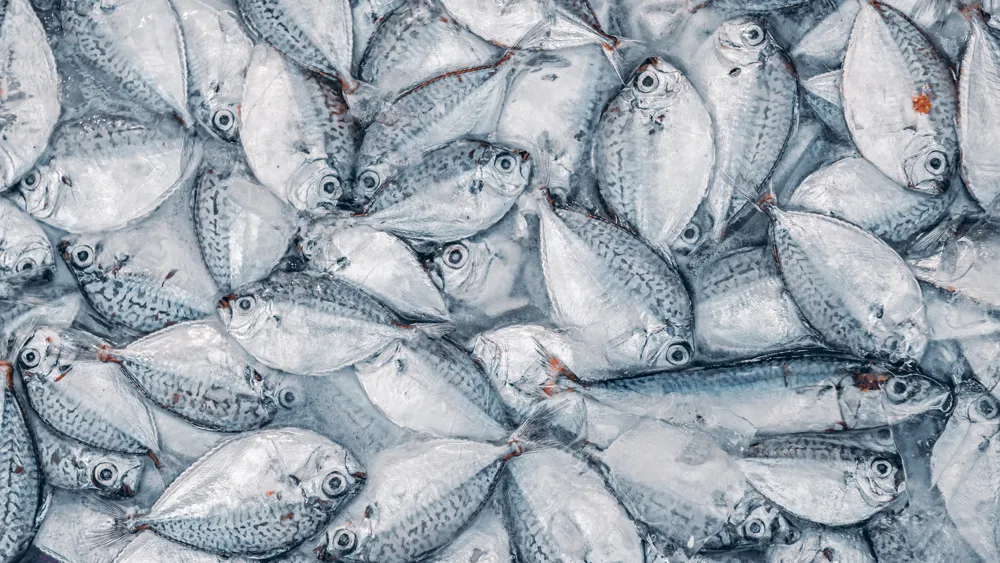
A recent study conducted by a Chinese research team has unveiled significant findings concerning the movement of per- and polyfluoroalkyl substances (PFAS), commonly known as 'forever chemicals.' The study indicates that these harmful compounds can enter the human body through the consumption of marine fish, raising serious health concerns.
In their extensive research, the team mapped PFAS contamination across various fish species globally, estimating PFAS concentrations in 212 commonly consumed marine fish species. This comprehensive assessment evaluated the risk of PFAS exposure through fish consumption across different regions, providing a clearer picture of this environmental issue.
PFAS are persistent synthetic chemicals widely found in everyday products, including non-stick cookware, waterproof outdoor gear, and food packaging. Their persistent nature, coupled with their slow breakdown in the environment, has earned them the designation 'forever chemicals,' highlighting the long-term risks associated with their presence in the ecosystem.
These toxic substances infiltrate marine ecosystems via water and air pollution, becoming absorbed and accumulated in fish. Consequently, when individuals consume contaminated fish, PFAS can be introduced into their bodies, leading to potential health threats over time as these chemicals build up.
The research team's findings were published online in the esteemed journal Science, marking an important contribution to our understanding of seafood safety and its implications for public health. The team comprised scientists from several prestigious institutions, including Southern University of Science and Technology, Southeast University, Fuzhou University, and the Eastern Institute of Technology in Ningbo.
Researcher Qiu Wenhui highlighted the changing patterns of PFAS exposure in the global seafood trade. As fish from regions with elevated PFAS residues are transported to areas with lower levels, the potential for wider exposure increases, complicating the challenges of food safety.
This foundational research lays the groundwork for enhanced food safety measures and highlights the need for improved fisheries management. Moreover, the study underscores the urgency for regulatory action regarding PFAS to mitigate their risks in the food supply.
Read These Next

Africa's Health Successes and Challenges in the Past Year
In 2025, Africa saw health progress despite cholera and diseases, with Uganda and Egypt lauded for their public health strategies.

CGTN America Joins TechCrunch Disrupt 2025 on AI Cooperation
CGTN America partnered at TechCrunch Disrupt 2025, highlighting China's AI contributions and U.S.-China collaboration for global tech.

Study finds daily temperature swings pose new climate threat
A study in Nature Climate Change reveals climate-related health risks from rising temperature fluctuations, impacting over 80% globally.