

Nobel Laureate Physicist Chen Ning Yang Dies at 103
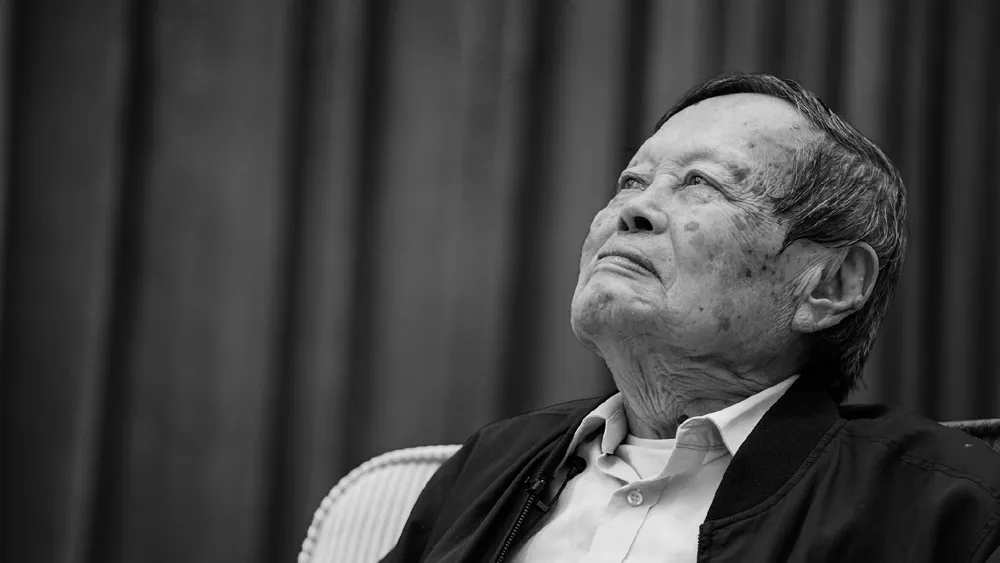
Nobel laureate physicist Chen Ning Yang, known for his revolutionary contributions to particle physics, passed away in Beijing on Saturday at the age of 103.
Yang was born in Hefei, eastern China, in 1922. He began his academic journey at the National Southwest Associated University in 1938, earning his Master's degree in Science from Tsinghua University in 1944. The following year, he moved to the United States as a government-sponsored student and earned his PhD from the University of Chicago in 1948.
After completing his education, Yang continued his research at the University of Chicago before joining the Institute for Advanced Study in Princeton in 1949. There, he became a permanent member in 1952 and was appointed a professor in 1955. In 1966, he took on the role of Einstein Professor at the State University of New York at Stony Brook, where he established the Institute for Theoretical Physics, now known as the C.N. Yang Institute for Theoretical Physics, remaining there until his retirement in 1999.
In 1957, Yang was awarded the Nobel Prize in Physics, in collaboration with Tsung-Dao Lee, for their pioneering work on parity nonconservation in weak interactions. This landmark achievement marked them as the first scientists born in China to be awarded the Nobel Prize.
The Yang-Mills gauge theory, introduced by Yang alongside Robert Mills, established a foundational framework for the Standard Model of particle physics and is celebrated as a cornerstone of modern physics, comparable to Maxwell's equations and Einstein's general theory of relativity. Yang also formulated the Yang-Baxter equation, influencing research in statistical physics and mathematics.
Throughout his prolific career, Yang made significant strides in particle physics, field theory, statistical mechanics, and condensed matter physics, making profound impacts on contemporary science. He was honored with election as an honorary member of over ten academies of sciences globally and received more than twenty honorary doctorates, alongside multiple prestigious accolades, including the U.S. National Medal of Science and the Franklin Medal.
Yang's commitment to his homeland was evident in his efforts to elevate China's scientific and educational landscape. His pivotal visit to China in 1971 ignited a series of exchanges between Chinese and overseas scholars, positioning him as a leader in academic collaboration between China and the United States.
Additionally, he played a vital role in the establishment of the Committee on Scholarly Communication with China, which aided nearly 100 Chinese scholars to pursue studies in the United States. Many of these scholars have since emerged as pivotal figures in China's scientific and technological advancements.
Returning to China in 1999, Yang joined Tsinghua University as a professor and honorary director of the Institute for Advanced Study. In the last two decades, he dedicated himself to mentoring young scientists, fostering international academic exchanges, and bolstering China's basic sciences, leaving an indelible mark on higher education and scientific inquiry in China.
Read These Next
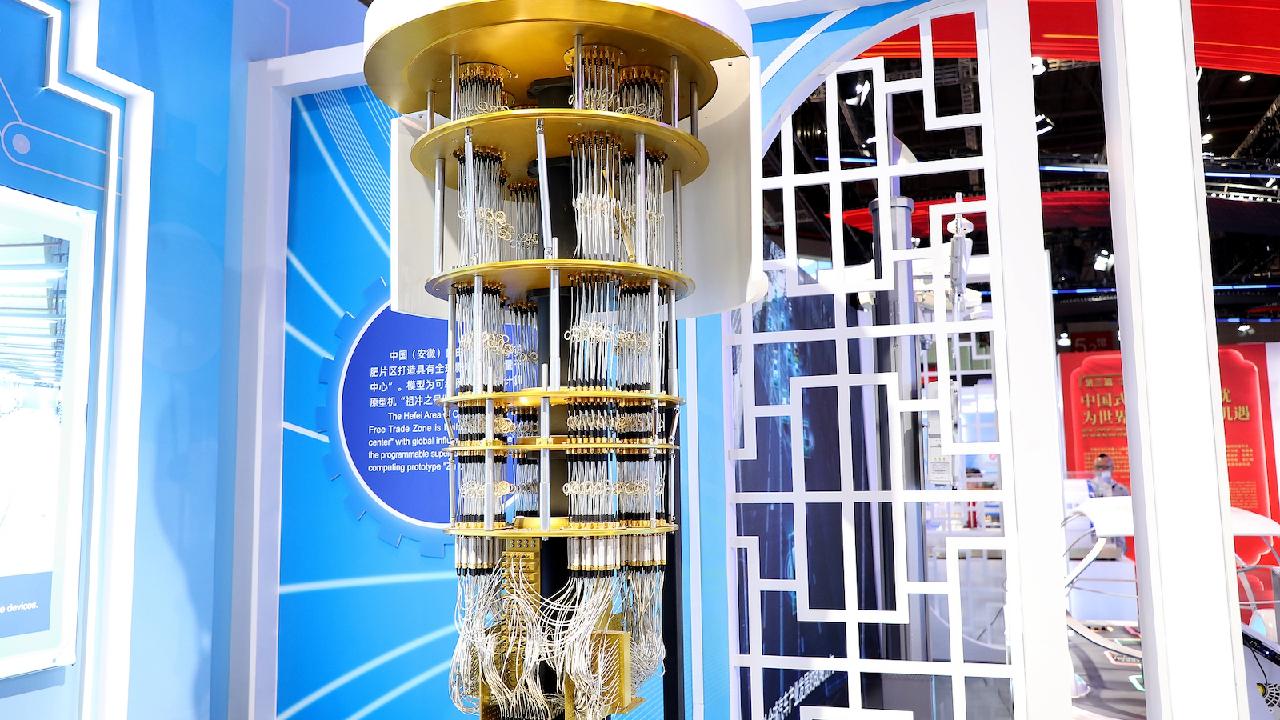
NSFC at 40 Highlights China's Science Fund Driving Innovation
China's NSFC, vital for basic research, has funded 880,000 projects with 460.8B yuan, promoting innovations and self-reliance.
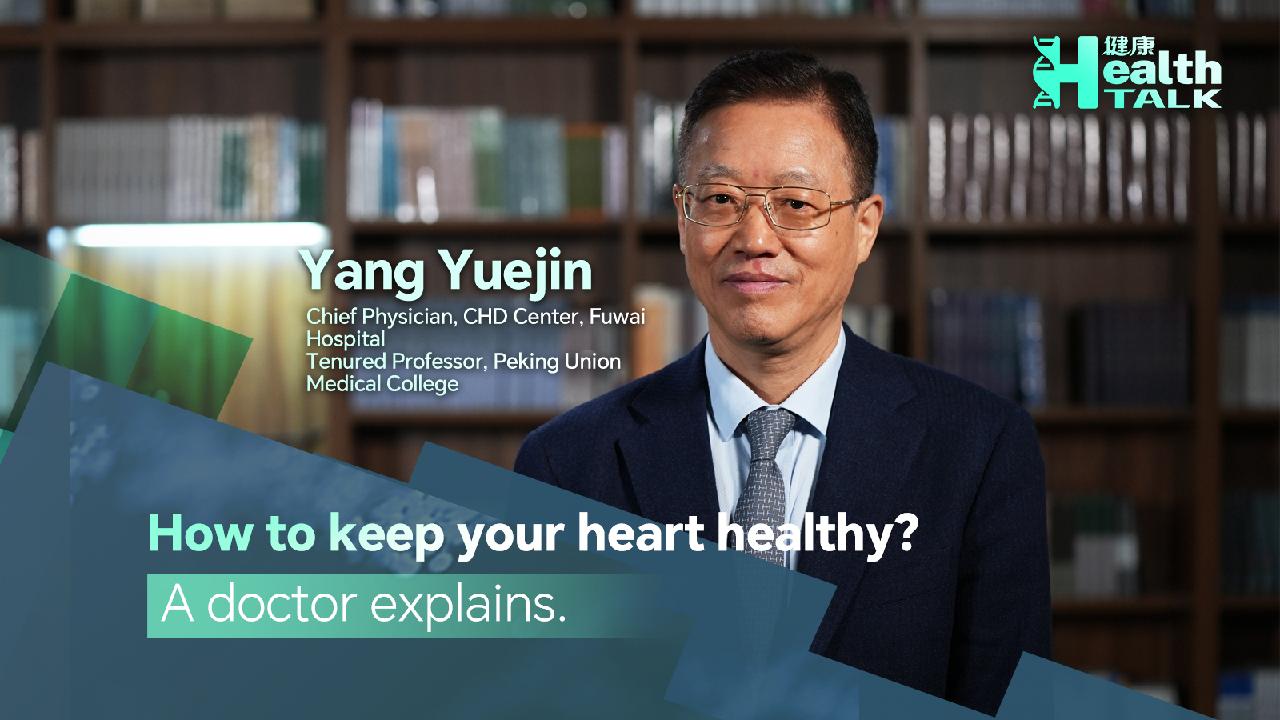
Doctor Shares Tips for Maintaining a Healthy Heart
Healthtalk features Dr. Yang Yuejin discussing heart rhythms, high blood pressure effects, and smartwatches for health alerts.
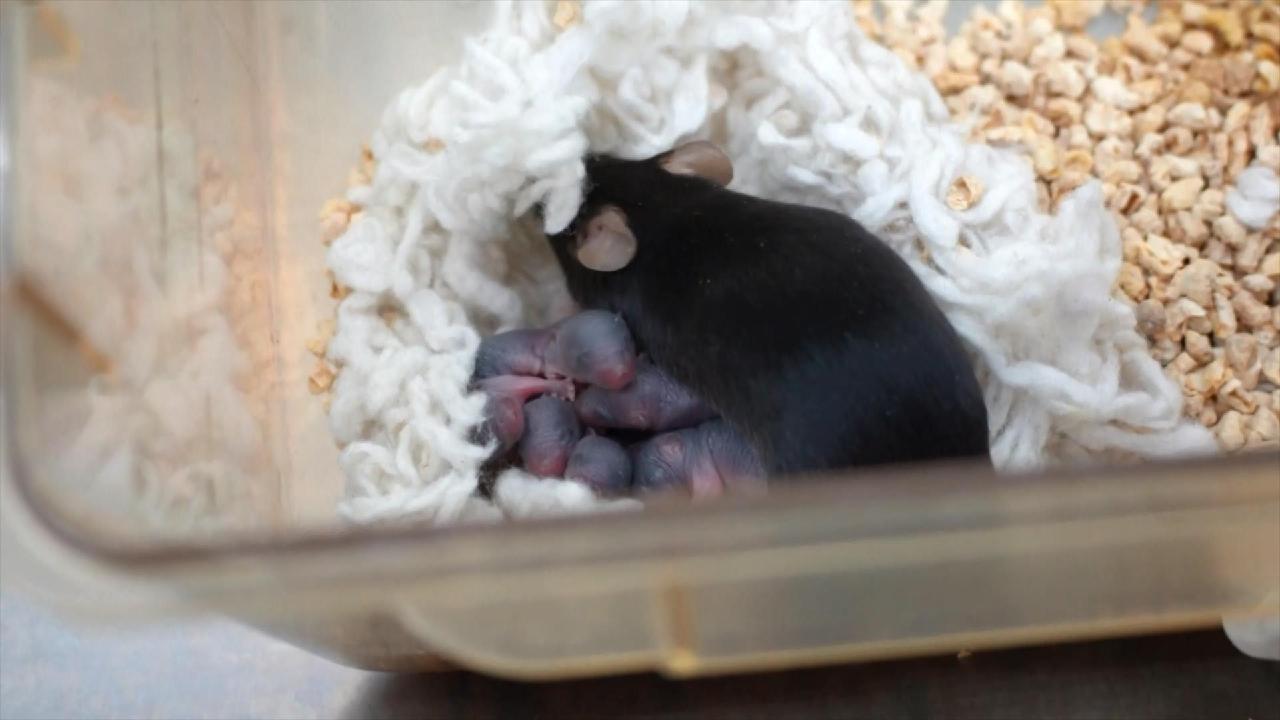
China's Space Mouse Welcomes Third Healthy Litter
A mouse from the China Space Station has given birth to her third litter, aiding research on mammalian reproduction in space.