

Nvidia's DLSS 5: Progress or Setback for Gaming?

The rapid evolution of artificial intelligence in gaming has opened new frontiers for developers and players alike, but it has also sparked significant debate within the community. One of the recent focal points of this discussion is Nvidia's debut of DLSS 5 (Deep Learning Super Sampling), a feature touted to reshape in-game graphics with unprecedented realism. This tool employs AI technology to elevate visuals to what Nvidia claims is 'photoreal computer graphics previously only achieved in Hollywood visual effects.' Such advancements are pertinent as they promise to transform gameplay experiences and keep pace with the increasing demands for visual fidelity in the gaming landscape.
DLSS 5 functions by leveraging deep learning algorithms to enhance image quality, offering smoother frame rates while minimizing the burden on hardware. This is achieved through a technique called 'upscaling,' where lower resolution images are transformed into higher-resolution versions. However, reactions from the gaming community have been mixed. Critics argue that the AI-generated graphics feel overly polished to the extent that they lose the unique artistic identity of the games. For example, the vibrant environments of titles like Resident Evil Requiem appear radically improved, yet character representations evoke uncanny feelings, leading to concerns around artistic integrity and expression. In contrast, advocates for AI integration contend that technologies like DLSS 5 can create immersive experiences that expand creative possibilities, as noted by developers who believe the tool will allow for more richly designed worlds. This ongoing discourse highlights the balance between technological innovation and maintaining the core essence of video game artistry.
Read These Next

Alibaba Cloud Expands Client Base in Mexico Technology Sector
Alibaba Cloud showcases cloud computing and AI's potential to tech professionals in Mexico, highlighting collaboration with Chinese tech.

Chinese Medical Teams Abroad Forecast 2 Million Patient Visits by 2025
In 2025, Chinese medical teams provided support with 2M patient visits, showcasing dedication and advancements in healthcare abroad.
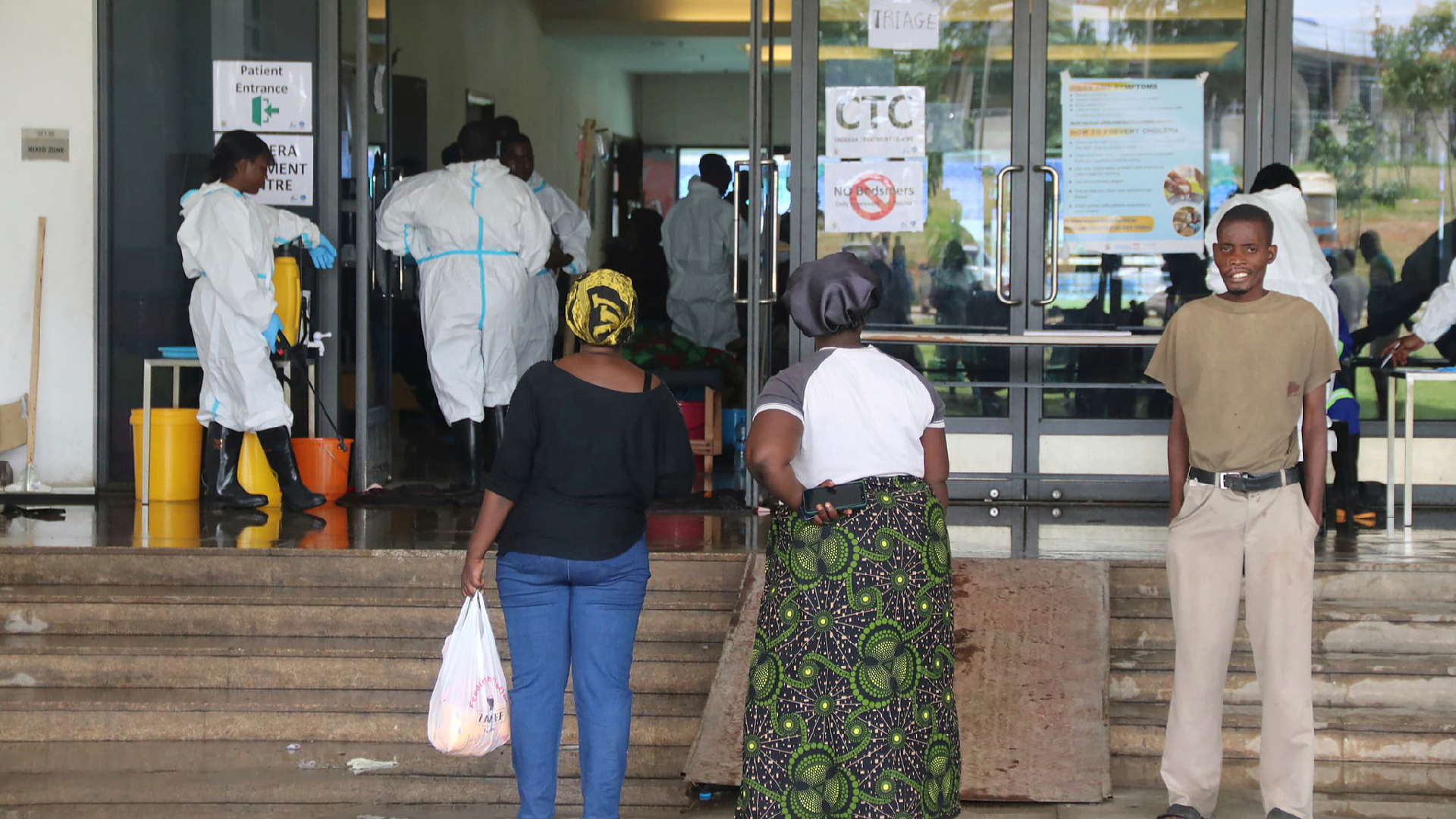
Zambia Rejects US 1 Billion Health Aid Deal
Zambia delays $1B health deal with the U.S. over provisions misaligned with national interests, seeking revisions and concerns over mining links.