

Ancient Chinese Wisdom Offers Insight in Fast Paced World
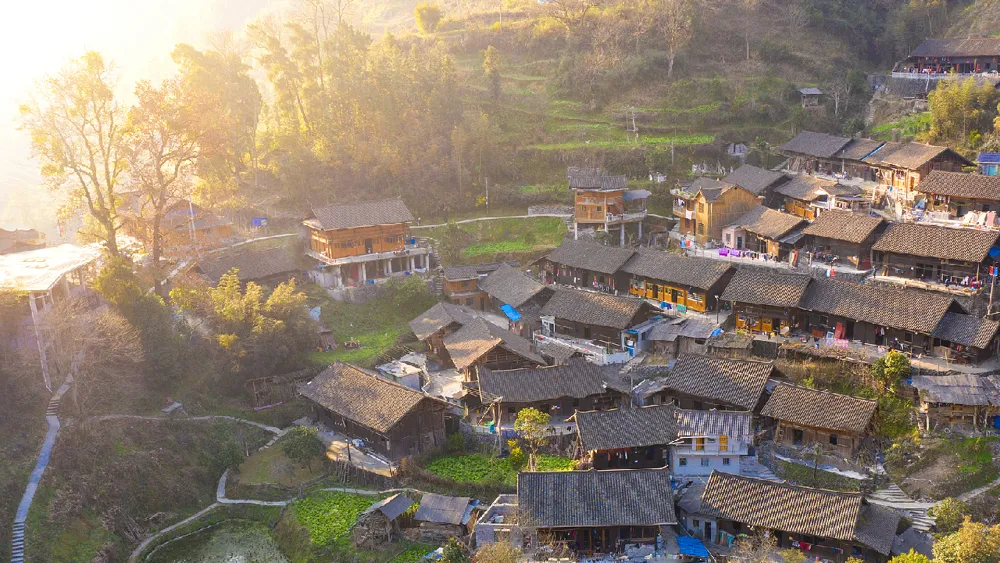
In today's fast-paced world, an intriguing trend is emerging among young Chinese: a movement towards rural living inspired by the principles of Traditional Chinese Medicine (TCM). These individuals seek a lifestyle more aligned with nature, aiming for balance and well-being.
Modern life, characterized by an unceasing rush, often leaves individuals feeling fatigued and overwhelmed. The prevalence of screens, fast meals, and a productivity-focused mindset pervades daily routines, allowing the seasons to slip by almost unnoticed. The repercussions of this constant pressure manifest in fatigue, cognitive fog, and various health issues that many now accept as the new normal.
In the first part of this series, we examined how TCM regards winter as a season of rest and reflection. Despite the wisdom of this perspective, many continue to push through, disregarding the natural rhythms associated with winter months. As a result, this dissonance can lead to decreased digestive health and increased feelings of heaviness, as discussed in our upcoming article on dietary strategies to combat these issues.
The disconnect between relentless activity and the need for seasonal adaptation appears particularly pronounced among younger generations. Millennials and Gen Z alike are increasingly reporting symptoms of burnout, yet still feel the pressure to remain digitally engaged and health-conscious.
In response to these cultural challenges, a noteworthy shift is underway. Young professionals are gravitating towards TCM clinics, rediscovering practices such as herbal tea consumption, yoga, and tai chi. There is a growing appreciation for traditional foods, such as warming breakfasts and congees, which are making a significant comeback.
TCM's appeal lies in its emphasis on self-awareness rather than rigid dietary rules. This holistic approach encourages individuals to consider how foods impact digestion and overall energy levels while reflecting on the necessity for rest during different seasons. In a society that glorifies speed, the mindfulness promoted by TCM is becoming increasingly valued.
This reconnection to ancient wisdom doesn't require drastic life changes; rather, it begins with small, mindful rituals. Simple practices like drinking warm water in the morning instead of immediately resorting to coffee reflect an understanding of the body's natural rhythms and support restful living.
Moreover, allowing for an evening wind-down helps improve sleep quality, nurturing the body's need for deep rest and recovery. TCM encourages moderation and personalized adjustments to lifestyle rather than striving for perfection, fostering a sensitivity to one’s own needs and environments.
As modern life accelerates, the appeal of slowing down becomes irresistible. Cultural phenomena like 'tang ping' (lying flat) and 'bai lan' (let it rot) reflect a growing disenchantment with perpetual competition and highlight the desire for a more balanced existence.
This desire to abandon the relentless grind is manifesting in an increasing number of young Chinese moving away from urban centers to villages, where they seek a life harmoniously connected to nature. Whether through renovating old homes or starting small businesses, these transitions signify a larger quest for tranquility and the reclamation of time.
Ultimately, TCM offers valuable insights into achieving health through understanding and harmony rather than mere productivity. In a fast-paced society, it presents a necessary reminder that well-being encompasses more than just doing more. As this winter invites introspection, the wisdom of TCM remains a crucial guide for navigating contemporary challenges.
Read These Next

Eye-Scanning Tech: Verifying Humanity in Digital Interactions
Exploring the introduction of eye-scanning technology by Tinder and Zoom for user verification and its implications in a digital world rife with AI impersonation.
Can a Digital Twin Create a 'Superworker'?
This article explores the potential of digital twins, like Richard Skellett's AI counterpart, to transform ordinary workers into 'superworkers' by enhancing their productivity and addressing key considerations around governance and ethical use.

Quantum Computing: Can Europe Lead the Tech Race?
An overview of the potential for Europe, particularly France, to lead in the quantum computing race, highlighting key players and their innovative approaches.