

WHO Warns Chikungunya Virus Now Present in 119 Countries
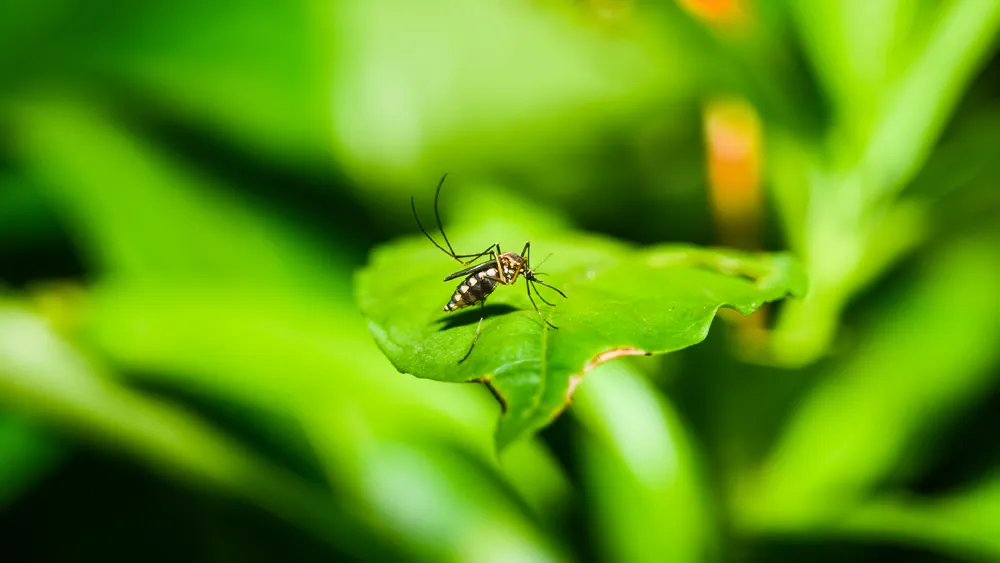
The World Health Organization (WHO) has issued an urgent warning regarding the chikungunya virus, which is currently reported to be spreading across 119 countries. As a result, an estimated 5.5 million individuals worldwide are now considered at risk of infection.
Chikungunya, transmitted primarily by mosquitoes, presents with a range of symptoms including high fever, severe joint pain, and lasting fatigue. Approximately 40 percent of those infected may endure long-term disabilities that can last for several months or even years. Although it is rarely fatal, the virus can pose life-threatening risks in severe cases.
As of mid-July 2025, the region with the highest incidence of chikungunya virus disease has been the Americas. Data from July 14-15 indicates that Brazil alone reported 185,553 cases, followed by Bolivia with 4,721, Argentina with 2,836, and Peru with 55 cases, as per the European Center for Disease Prevention and Control.
"We are witnessing history repeating itself," commented Diana Rojas Alvarez, a medical officer at the WHO. She pointed out striking similarities to the chikungunya epidemic of 2004-2005, which affected nearly half a million individuals, particularly in small island territories, before it broadened its reach globally.
The current increase in cases appears to have begun in early 2025, with significant outbreaks occurring once again on the same Indian Ocean islands previously impacted, such as La Reunion, Mayotte, and Mauritius. Rojas Alvarez noted that about one-third of La Reunion's population has already been infected, and the virus is now spreading to regions including Madagascar, Somalia, and Kenya, while also showing epidemic characteristics in Southeast Asia, notably India.
Despite the development of two chikungunya vaccines, their distribution remains primarily focused on travelers. The WHO is actively collaborating with affected countries to enhance laboratory testing, train healthcare personnel, and improve surveillance of outbreaks. Furthermore, a new strategic advisory group is being established to provide global oversight on effective prevention and control measures.
The situation surrounding chikungunya underscores an urgent need for improved healthcare infrastructure and public safety measures to combat potential future outbreaks.
For more information on chikungunya fever and tips for personal safety, refer to additional resources.
This report includes contributions from Reuters.
Read These Next

China Launches Robotic Inspection Technology for Freight Trains
China has launched intelligent inspection robots for freight trains at Huanghua Port, inspecting 10 trains daily with 100% fault recognition.

China Announces New Green Targets for Data Centers
China launches action plan for green data centers, aiming to boost energy efficiency and renewable energy use by 2025.

Norway Launches World's First CO2 Storage Service
Norway is set to launch the world's first commercial CO2 storage service, the Northern Lights project, to reduce emissions.