

Ending AIDS: What Progress Have We Made Toward Eradication
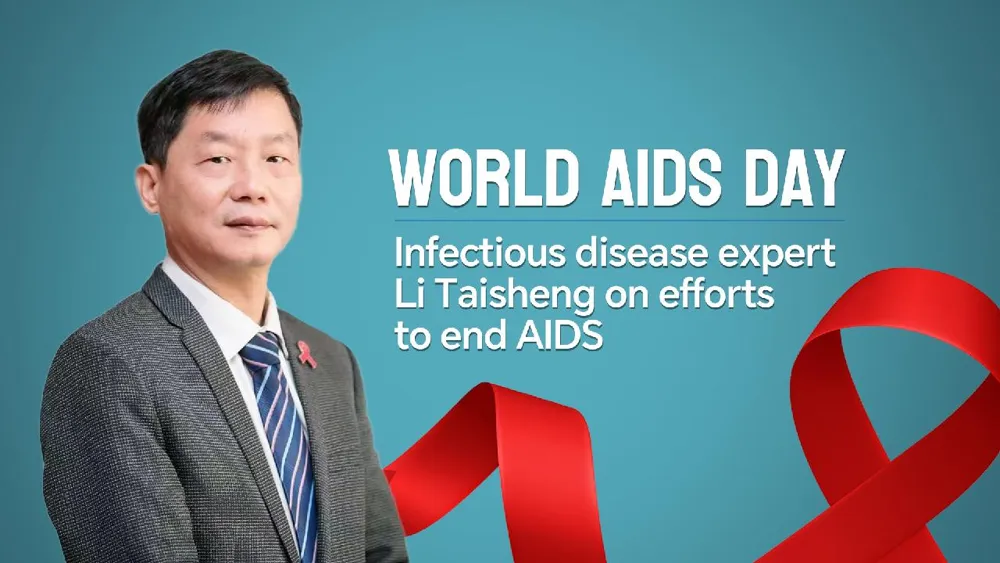
On World AIDS Day, Professor Li Taisheng reviews China's progress against AIDS since 1985, noting successes and ongoing challenges. The fight against AIDS has been a significant public health issue, with global efforts aimed at eradicating the HIV epidemic.
China's journey in combating AIDS began with its first reported case in 1985. The national strategy has evolved, and while initial uncertainty prevailed, the country has since made considerable strides toward managing and controlling the disease.
In 2003, the Chinese government implemented a program to provide free antiretroviral medications to low-income and rural populations living with HIV. This initiative also included voluntary testing and counseling, treatment for HIV-positive pregnant women, educational support for children orphaned by AIDS, and social assistance for affected families.
Early on, treatment options were limited and often came with significant side effects. However, ongoing investment in research has enabled the development of improved drug regimens, enhancing the quality of life for hundreds of thousands of individuals living with HIV in China.
The results have been remarkable. The mortality rate among Chinese AIDS patients has dramatically decreased, reflecting the transition of AIDS from a life-threatening illness to a manageable chronic condition. China's innovative approaches to treatment and care have led to a more effective healthcare paradigm.
Despite these achievements, approximately 40.8 million people are currently living with HIV globally, with around 9.2 million not receiving necessary treatment. As new infections remain high, the world is still striving toward the goal of ending AIDS by 2030.
The recent decline in funding for AIDS programs poses significant challenges. The ongoing focus must shift toward precise interventions tailored for high-risk populations, ensuring that prevention, testing, and treatment are equitably accessible to all.
Addressing stigma and discrimination remains crucial to fostering an environment conducive to those affected by HIV/AIDS. Engaging communities and establishing support systems are integral for addressing this pressing public health concern.
Eliminating AIDS as a public health threat is a collective effort, requiring individual accountability and robust societal support. Continued drive in research, public health strategies, and collaboration is vital in the global quest to eradicate HIV.
Read These Next

China Launches Robotic Inspection Technology for Freight Trains
China has launched intelligent inspection robots for freight trains at Huanghua Port, inspecting 10 trains daily with 100% fault recognition.

China Announces New Green Targets for Data Centers
China launches action plan for green data centers, aiming to boost energy efficiency and renewable energy use by 2025.

Norway Launches World's First CO2 Storage Service
Norway is set to launch the world's first commercial CO2 storage service, the Northern Lights project, to reduce emissions.