

AI's Impact on Entry-Level Jobs: PwC Insights

As artificial intelligence (AI) continues to advance, its influence on the job market, particularly for entry-level positions, is becoming increasingly significant. This trend matters because it directly impacts recent graduates entering the workforce in a tech-driven job landscape, shaping both their career prospects and the skills that companies, including the Big Four accountancy firms like PwC, are seeking. Understanding how AI transforms hiring practices allows us to grasp the future of work amidst ongoing technological innovations.
AI is a branch of computer science that focuses on creating systems that can perform tasks requiring human intelligence, such as understanding language or analyzing data. At PwC, the integration of AI into their operations means that traditional tasks, previously done by human consultants, can now be completed rapidly by AI models. These technologies can sift through mountains of data and produce insights in minutes—work that used to take teams of entry-level employees weeks to accomplish. This efficiency presents a dual scenario: while it streamlines processes and enhances productivity, it also raises questions about the future of graduate roles in professions traditionally filled by new hires.
Real-world implications of this transformation can be seen at PwC itself, where the firm has reduced its hiring goals due to this technological shift. In 2021, the aim was to onboard 100,000 new employees over five years, but as Mr. Kande indicated, now they are reconsidering that plan due to AI's capabilities. Instead, the demand is increasing for AI engineers—skilled professionals capable of developing and managing these technologies. This reality challenges a long-standing assumption that technology uniformly creates jobs: it may indeed lead to new opportunities but at the expense of traditional graduate roles. For example, those seeking positions to analyze data, once vital entry points into the industry, face obsolescence as AI takes over those analytical burdens, forcing the workforce to adapt by upskilling or reskilling.
In conclusion, as AI reshapes the job landscape at firms like PwC, it raises pivotal questions about the skills future graduates will need to thrive. This rapidly changing environment suggests that it will be crucial for educational institutions to adapt their curricula to emphasize technical competencies, alongside critical thinking and adaptability. For further exploration, readers might consider resources on AI in professional services, such as industry reports or educational programs specializing in data science and AI strategy.
Read These Next
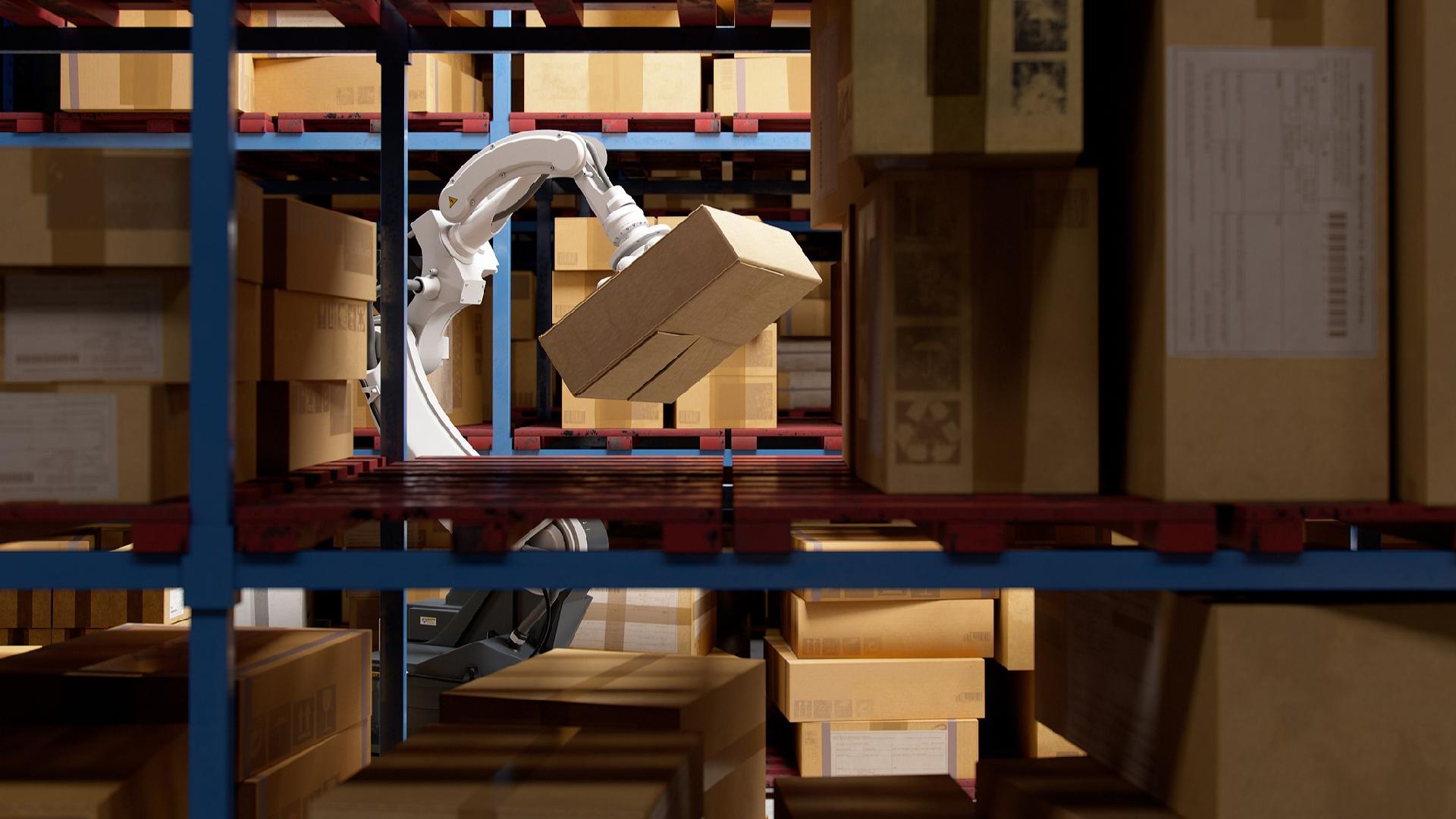
China Launches Robotic Inspection Technology for Freight Trains
China has launched intelligent inspection robots for freight trains at Huanghua Port, inspecting 10 trains daily with 100% fault recognition.

China Announces New Green Targets for Data Centers
China launches action plan for green data centers, aiming to boost energy efficiency and renewable energy use by 2025.

Norway Launches World's First CO2 Storage Service
Norway is set to launch the world's first commercial CO2 storage service, the Northern Lights project, to reduce emissions.